Science
Unexpected water explains surface chemistry of nanocrystals: Berkeley Lab scientists answer questions of how charged ligands balance on surface of colloidal nanoparticles

This image shows the calculated atomic structure of a 5nm diameter nanocrystal passivated with oleate and hydroxyl ligands.
- Read more
- 358 reads
Quantum mechanics matters: First real time movies of the light-to-current conversion in an organic solar cell

- Read more
- 400 reads
Elliptical Galaxies: Chandra Helps Explain "Red and Dead Galaxies"

A new study looks at why some giant elliptical galaxies have such low levels of star formation despite reservoirs of fuel to make them. Astronomers used Chandra to determine the role that supermassive black holes play in this dearth of stellar birth. Outbursts from the supermassive black hole may be preventing the gas from cooling enough to allow stars to form. These four galaxies are part of a sample of eight in the study.
- Read more
- 353 reads
NASA Widens Its 2014 Hurricane Research Mission

Amanda, the first named storm of the 2014 hurricane season in the Americas, is seen off the west coast of Mexico in an image acquired on May 25 by the Moderate Resolution Imaging Spectrometer (MODIS) on NASA's Aqua satellite. At the time of the image, Amanda was a category 4 hurricane. Amanda's winds peaked at 155 miles (250 kilometers) per hour, making it the strongest May hurricane on record in the eastern Pacific
- Read more
- 377 reads
PHASEFOCUS announces the publication of a new paper on 3D imaging: “Ptychographic microscope for three-dimensional imaging.”

The above images show the 3D volume rendering of a Spirogyra. Each image represents the total phase shift over 20 μm thick slices within the Spirogyra.
- Read more
- 447 reads
Large interest in new high-performance insulating material SLENTITE

The first PU high-performance insulating material as ready-to- use panel. Efficient insulation for customised climate management.
- Read more
- 408 reads
New Crew Launches to Space Station to Continue Scientific Research

The Soyuz TMA-13M rocket is launched, as seen in this 30-second exposure, with Expedition 40 Soyuz Commander Maxim Suraev, of the Russian Federal Space Agency, Roscosmos, Flight Engineer Alexander Gerst, of the European Space Agency, ESA, and Flight Engineer Reid Wiseman of NASA, Thursday, May 29, 2014 at the Baikonur Cosmodrome in Kazakhstan. Suraev, Gerst, and Wiseman will spend the next five and a half months aboard the International Space Station.
- Read more
- 378 reads
NASA Airborne Research Focuses on Andean Volcanoes

This false-color image of Peru's Ubinas volcano was acquired on April 14, 2014, by NASA's Uninhabited Aerial Vehicle Synthetic Aperture Radar, or UAVSAR.
- Read more
- 398 reads
UNICEF and Socialab announce winners of "First 72 Hours" – a global innovation challenge for emergencies

Instanet simulation
- Read more
- 401 reads
Rate, Accuracy of Hepatitis B Virus Detection Increased Using Nano-Based Immunosensor

- Read more
- 388 reads
Human Rights
Fostering a More Humane World: The 28th Eurasian Economic Summi
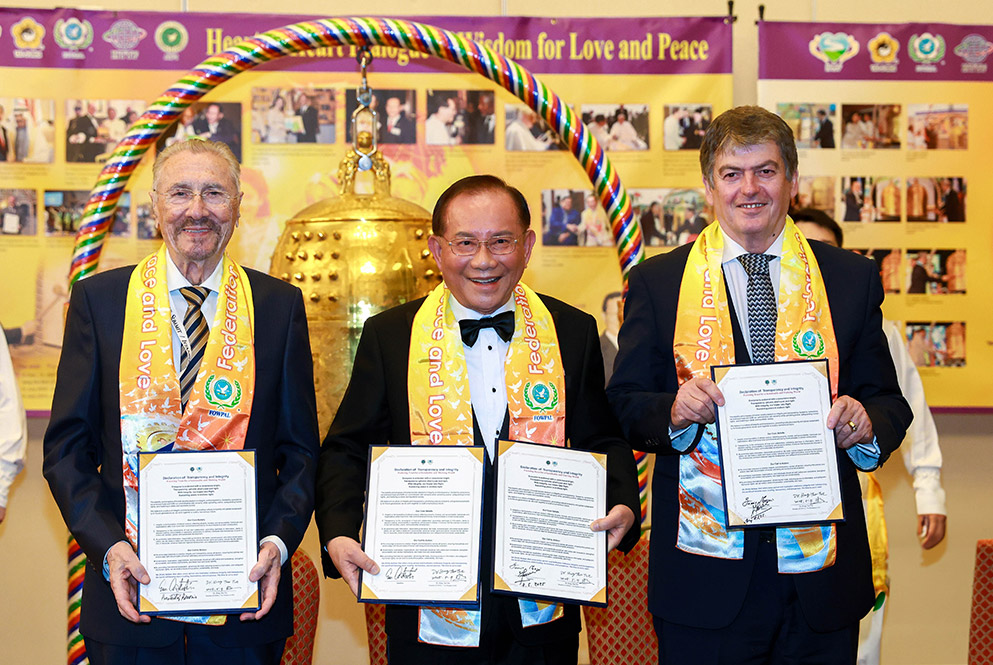
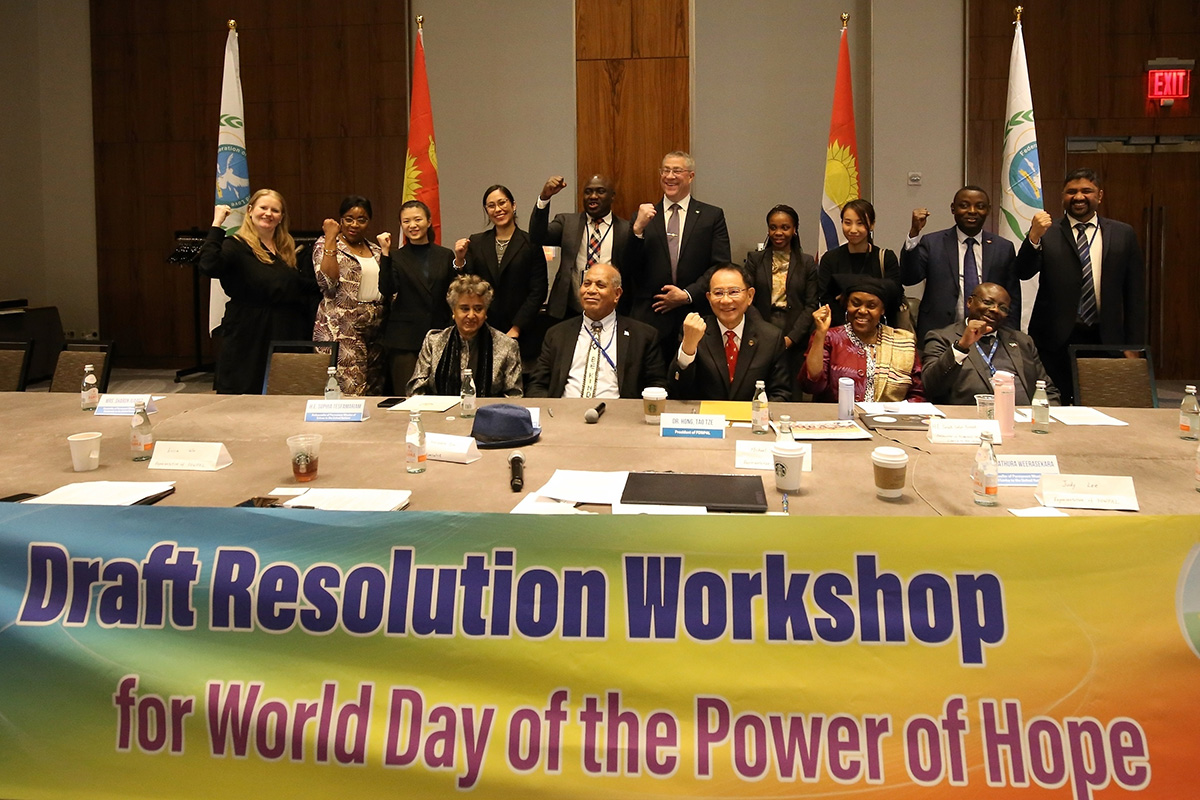
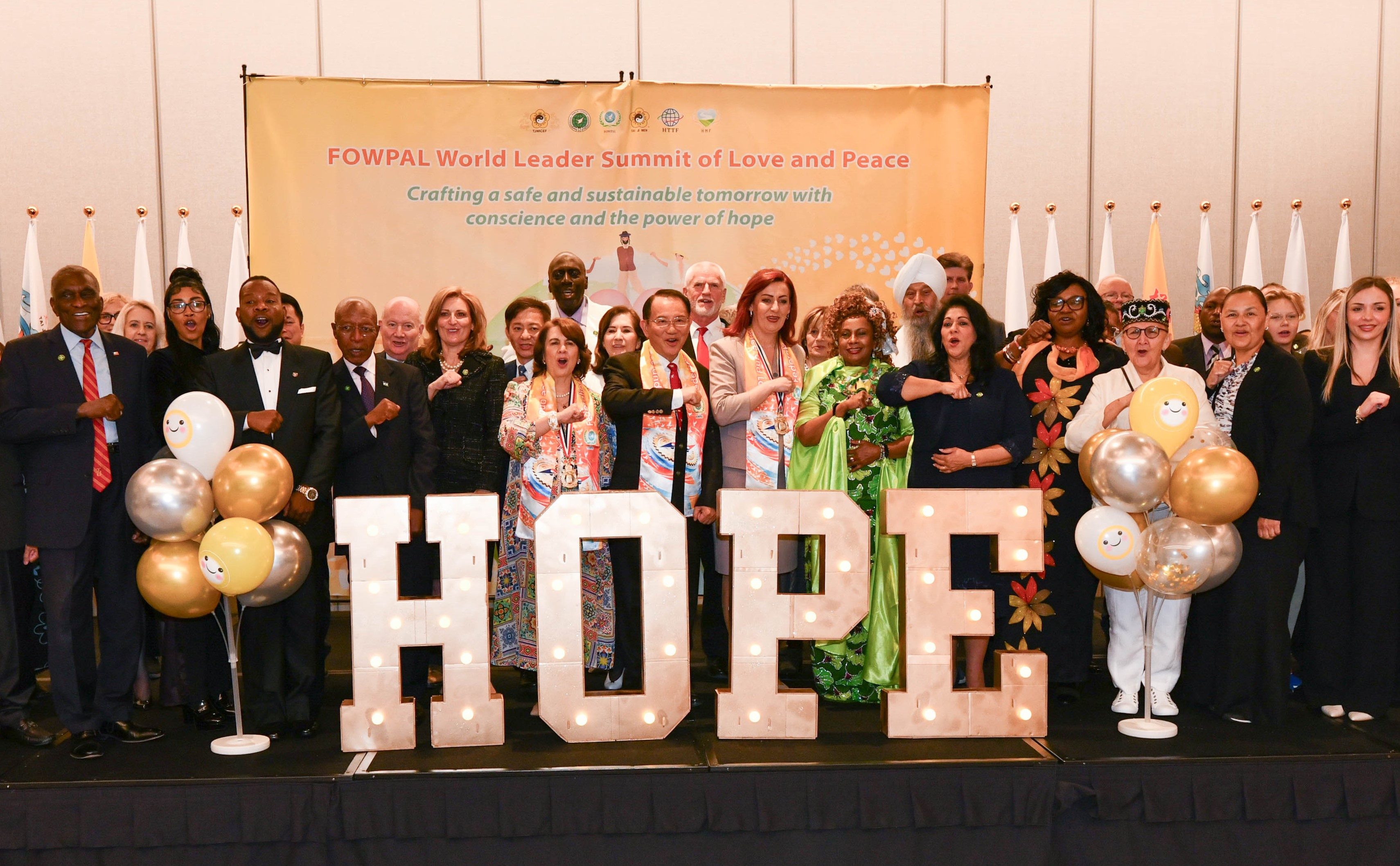
Conscience, Hope, and Action: Keys to Global Peace and Sustainability

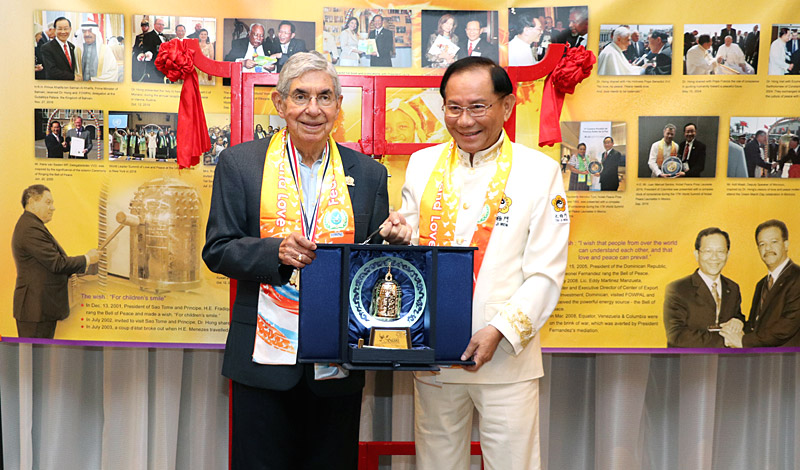
Ringing FOWPAL’s Peace Bell for the World:Nobel Peace Prize Laureates’ Visions and Actions
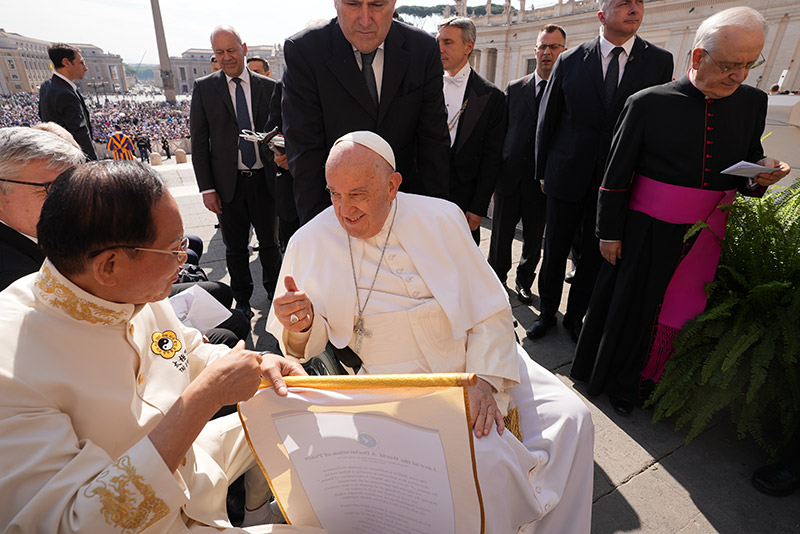
Protecting the World’s Cultural Diversity for a Sustainable Future
Puppet Show I International Friendship Day 2020