Science
New tests for determining health and environmental effects of nanomaterials
Scientific testing that doesn’t rely on animals will be needed to cope with the wave of new nanomaterials emerging from nanoscience and nanotechnology booms.
- Read more
- 462 reads
Cassini Releases Image of Earth Waving at Saturn

From more than 40 countries and 30 U.S. states, people around the world shared more than 1,400 images of themselves as part of the Wave at Saturn event organized by NASA's Cassini mission. That event on July 19, 2013, marked the day the Cassini spacecraft turned back toward Earth to take our picture as part of a larger mosaic of the Saturn system.
- Read more
- 496 reads
An Organized Approach to 3D Tissue Engineering: IBN’s novel technique brings researchers closer to viable organ implants
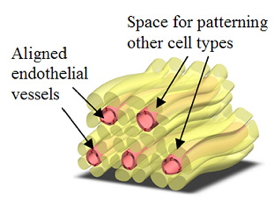
Schematic diagram illustrating the concept of a prevascularized hydrogel. The adjacent fibers could be used to pattern other cell types around the vessels.
- Read more
- 438 reads
Overshoot Day: Still Living Beyond Our Means
World Wildlife Fund (WWF) issued the following statement from Keya Chatterjee, director of renewable energy and footprint outreach, about Global Footprint Network announcement that humanity has exhausted Earth’s resource budget for the year.
- Read more
- 481 reads
Littlest Continent Had Biggest Role in Sea Level Drop

Changes in Australia's mass as reported by data from NASA's Gravity Recovery and Climate Experiment (GRACE) satellites from June 2010 to February 2011. Areas in greens and blues depict the greatest increases in mass, caused by excessive precipitation. The contour lines represent various land surface elevations. A new study co-authored and co-funded by NASA finds extensive flooding in Australia, combined with the continent's soils and unique topography, were the biggest contributors to the drop in global sea level observed in 2010 and 2011.
- Read more
- 578 reads
Open access to research publications reaching 'tipping point', said European Commission
The global shift towards making research findings available free of charge for readers—so-called 'open access'—was confirmed in a study funded by the European Commission. This new research suggests that open access is reaching the tipping point, with around 50% of scientific papers published in 2011 now available for free. This is about twice the level estimated in previous studies, explained by a refined methodology and a wider definition of open access. The study also estimates that more than 40% of scientific peer reviewed articles published worldwide between 2004 and 2011 are now available online in open access form. The study looks at the EU and some neighbouring countries, as well as Brazil, Canada, Japan and United States of America.
- Read more
- 426 reads
‘Groovy’ hologram creates strange state of light at visible and invisible wavelengths: Nanostructured device controls the intensity, phase, and polarization of light for wide applications in optics
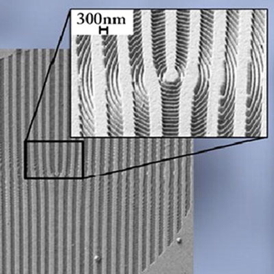
A new three-in-one optical element can control light’s amplitude, phase, and polarization through a wedding of old-fashioned holograms and state-of-the-art nanoscale features.
- Read more
- 410 reads
Lead Exposure Tied to Early Risk of School Suspension

http://healthfinder.gov/News/Article/679309/lead-exposure-tied-to-early-...
- Read more
- 528 reads
ALMA Takes Close Look at Drama of Starbirth

Astronomers using the Atacama Large Millimeter/submillimeter Array (ALMA) have obtained a vivid close-up view of material streaming away from a newborn star. By looking at the glow coming from carbon monoxide molecules in an object called Herbig-Haro 46/47 they have discovered that its jets are even more energetic than previously thought. The very detailed new images have also revealed a previously unknown jet pointing in a totally different direction.
- Read more
- 450 reads
Iranian Scientists Find Simple Method to Produce Antibacterial, Pollutant-Adsorbing Fibers
- Read more
- 474 reads
Human Rights
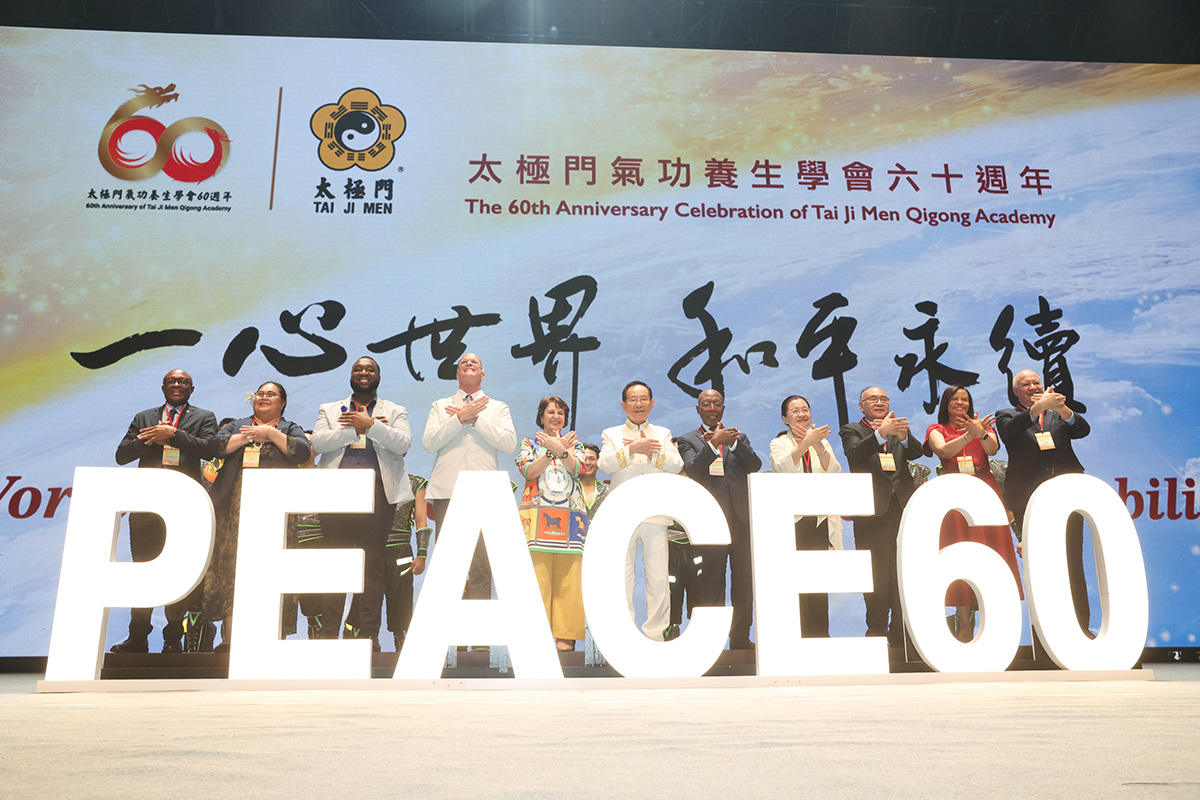
Fostering a More Humane World: The 28th Eurasian Economic Summi
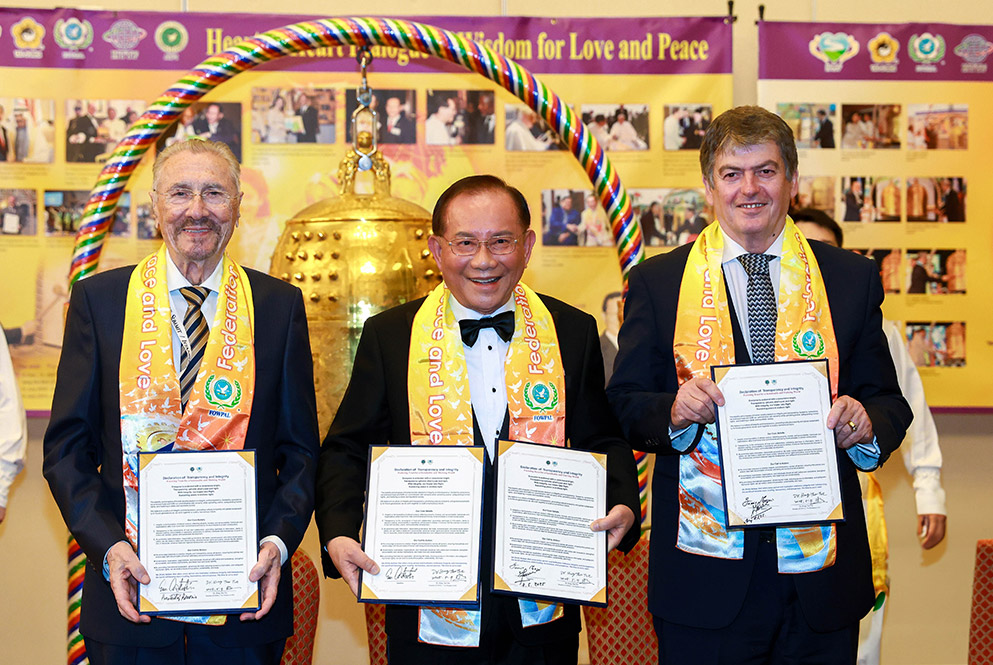
Conscience, Hope, and Action: Keys to Global Peace and Sustainability
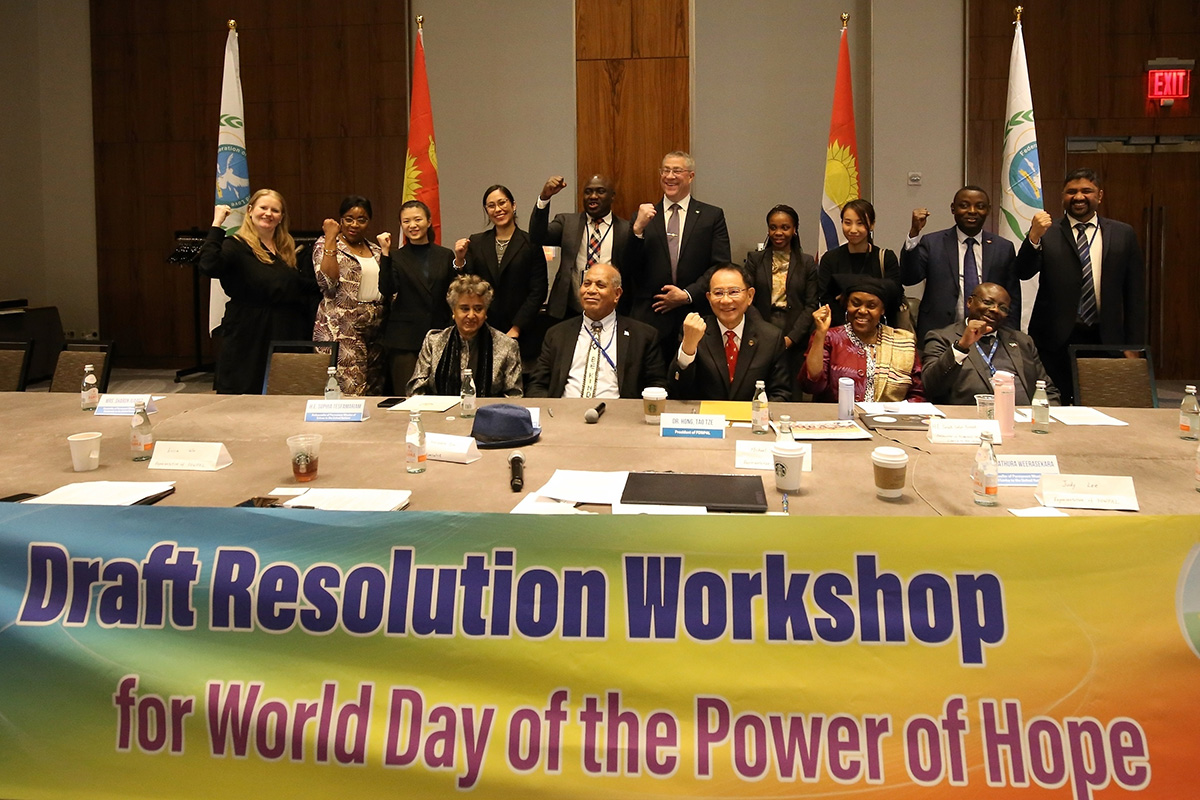
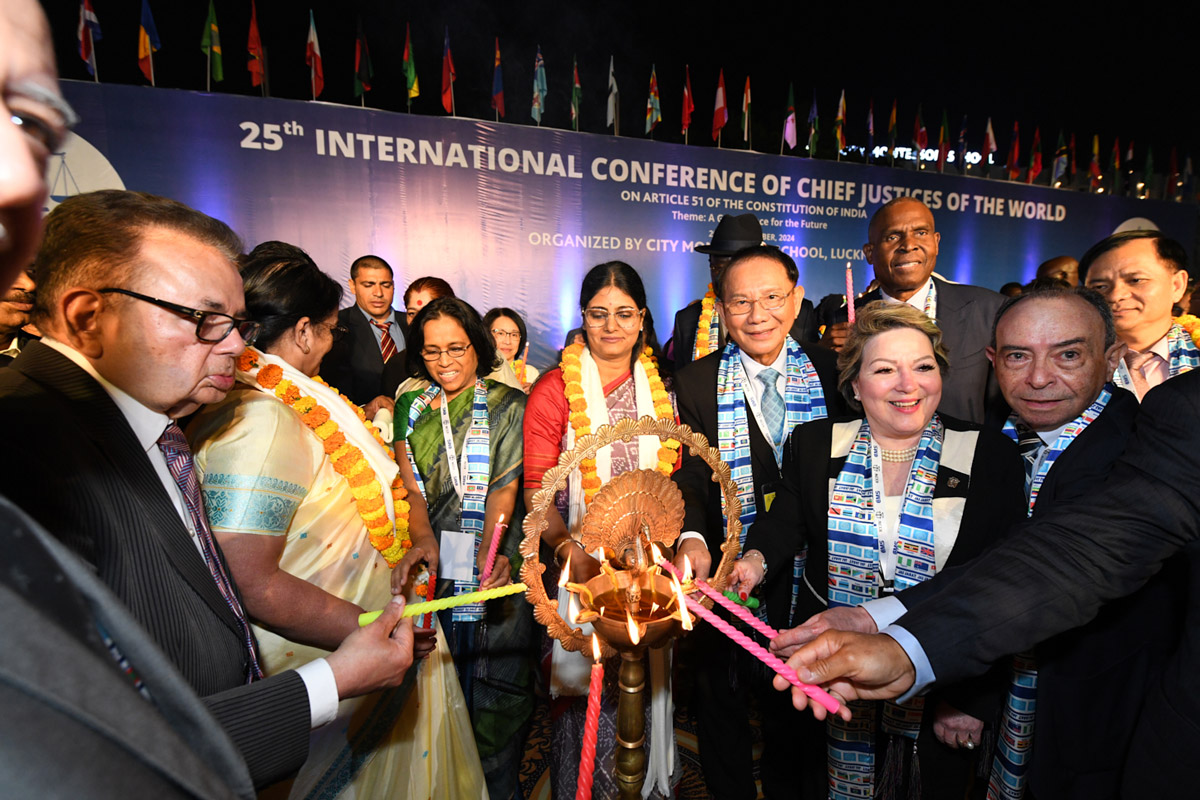
Puppet Show I International Friendship Day 2020