Health
As schools reopen in Guinea, UNICEF helps efforts to reduce Ebola transmission risk
As schools reopen in Guinea, UNICEF and partners are helping reduce as much as possible the risk of Ebola transmission, training teachers to implement safety measures such as daily temperature screening, and supplying thermometers and handwashing kits for schools.
- Read more
- 421 reads
NIH researchers tackle thorny side of gene therapy
National Institutes of Health researchers have uncovered a key factor in understanding the elevated cancer risk associated with gene therapy. They conducted research on mice with a rare disease similar to one in humans, hoping their findings may eventually help improve gene therapy for humans. Researchers at the National Human Genome Research Institute (NHGRI), part of NIH.
- Read more
- 407 reads
Better Outcomes for Children Born With Fertility Treatments

- Read more
- 345 reads
Ulcer Bacteria Tied to Lower Multiple Sclerosis Risk in Women

- Read more
- 332 reads
Genetic Changes to Ebola Virus Challenge Treatment Efforts

- Read more
- 334 reads
Those With Autism May Have Unique Brain Connections, Study Shows

- Read more
- 387 reads
Overactive Bladder a Common Problem, FDA Says

- Read more
- 344 reads
No new Ebola cases reported in most of Liberia counties over past week – UN

The Island clinic Ebola treatment unit in Liberia.
- Read more
- 349 reads
Noncommunicable diseases prematurely take 16 million lives annually, WHO urges more action
Urgent government action is needed to meet global targets to reduce the burden of noncommunicable diseases (NCDs), and prevent the annual toll of 16 million people dying prematurely – before the age of 70 – from heart and lung diseases, stroke, cancer and diabetes, according to a new WHO report.
- Read more
- 326 reads

Human Rights
Fostering a More Humane World: The 28th Eurasian Economic Summi

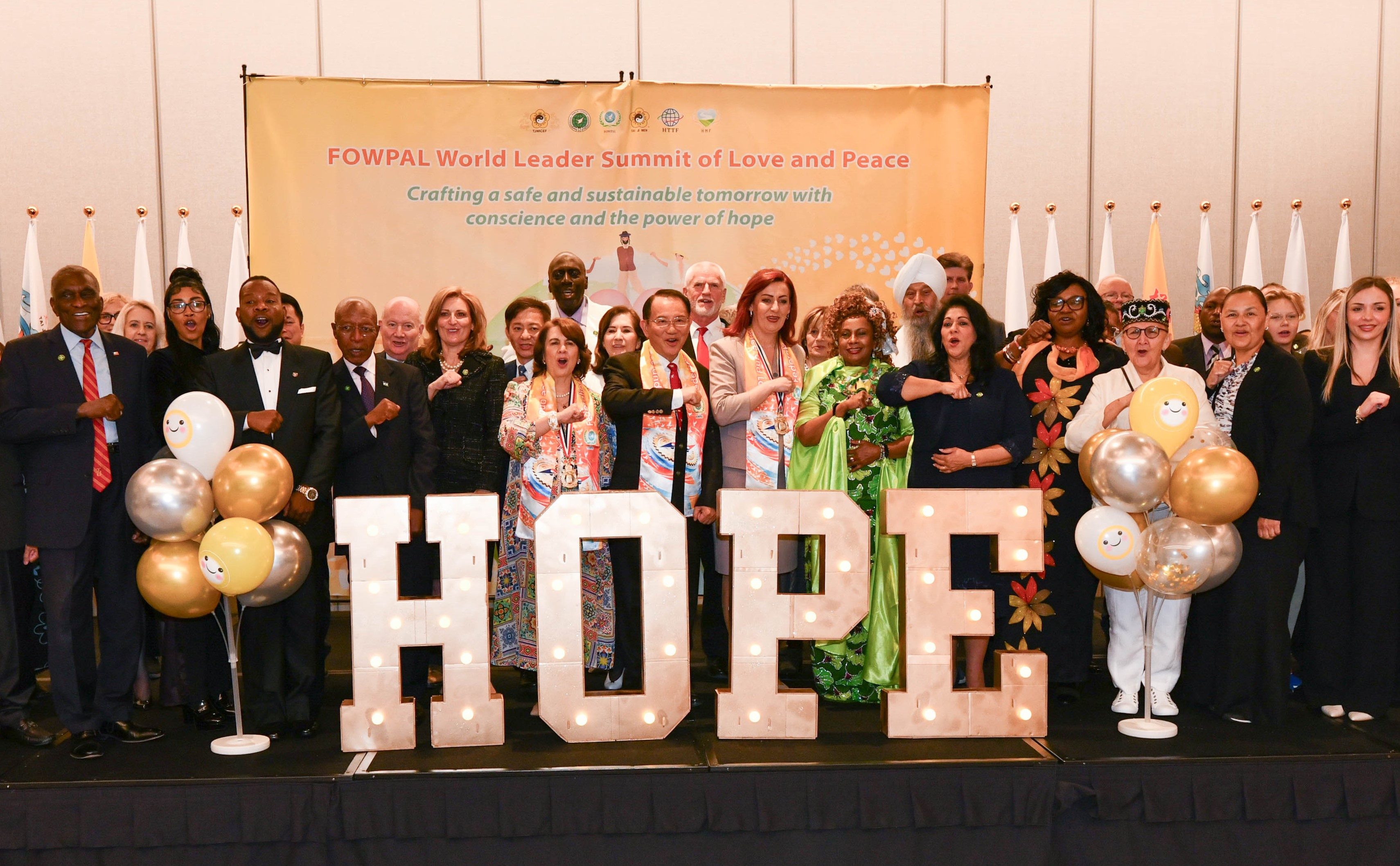
Conscience, Hope, and Action: Keys to Global Peace and Sustainability
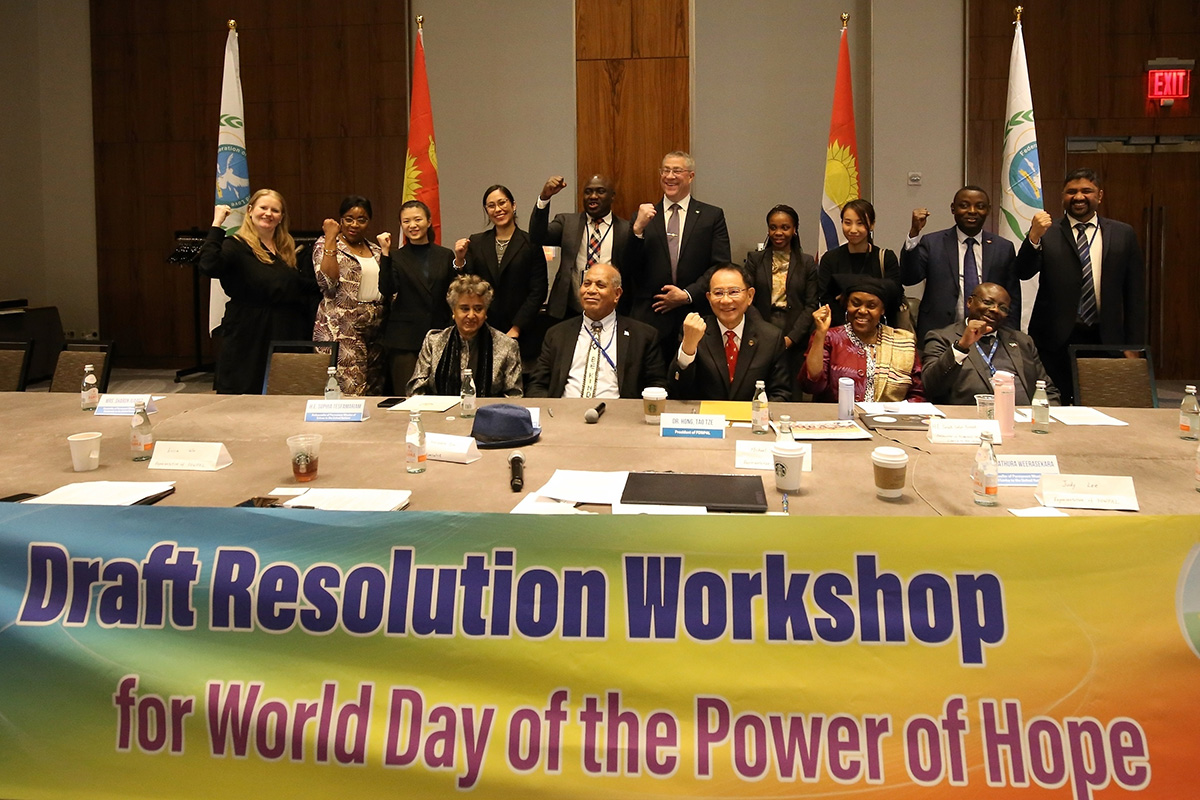
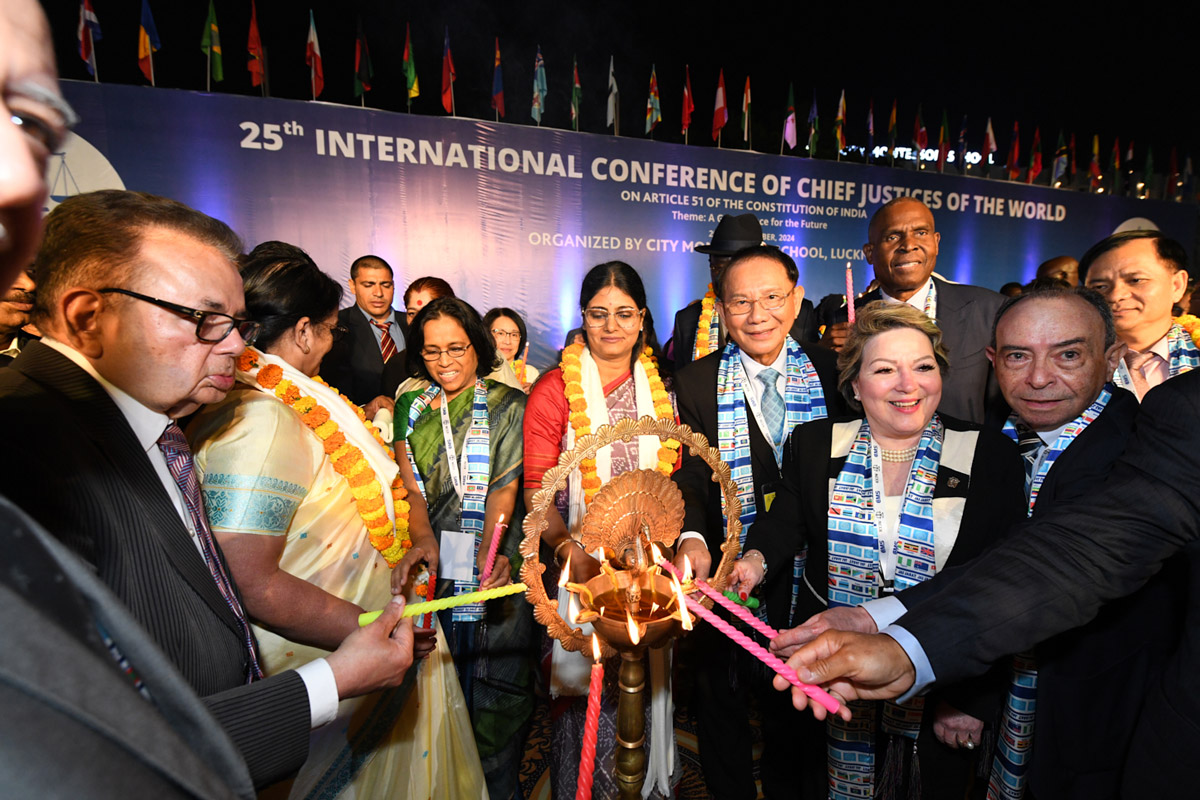
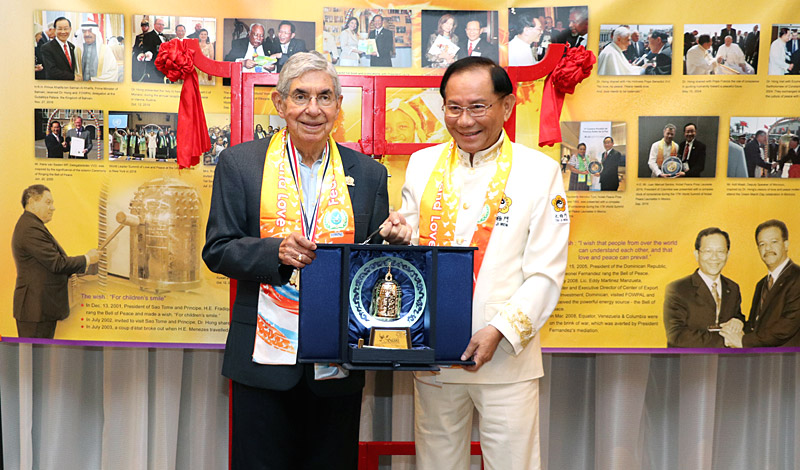
Ringing FOWPAL’s Peace Bell for the World:Nobel Peace Prize Laureates’ Visions and Actions
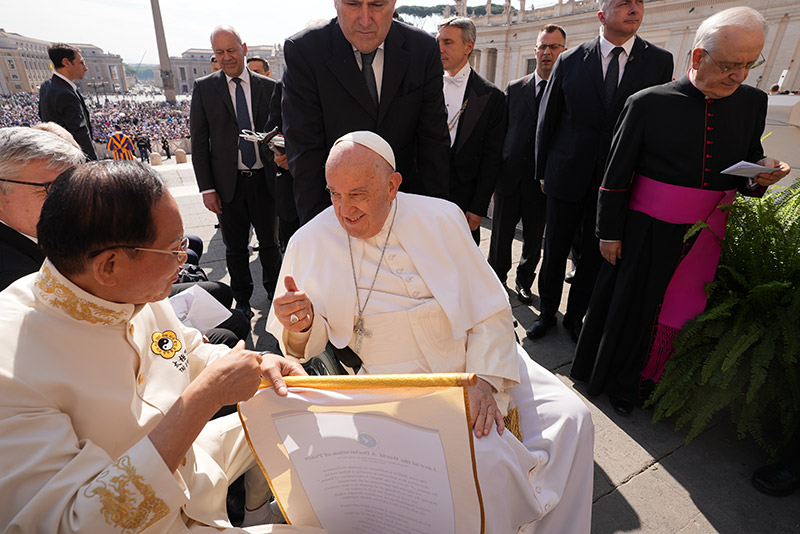
Protecting the World’s Cultural Diversity for a Sustainable Future
Puppet Show I International Friendship Day 2020