Health
Female Hormone Disorder Linked to Numerous Health Conditions

- Read more
- 339 reads
Ebola Threat Diminishing in West Africa, Officials Say

- Read more
- 401 reads
ER Patients With Chest Pain May Not Always Need Heart Tests: Study

- Read more
- 365 reads
Troubled Boys, Girls Have Sex Earlier, Study Finds

- Read more
- 377 reads
Certain Allergy, Depression Meds Tied to Higher Odds for Dementia

- Read more
- 349 reads
Many Parents Too Quick to Switch Child Car Seats, Study Finds

- Read more
- 370 reads
Eczema Linked to Other Health Problems

- Read more
- 439 reads
Viruses May Play Role in Crohn's Disease, Colitis: Study

- Read more
- 365 reads
Ebola: UN health agency urges better global preparedness against future outbreaks

Margaret Chan, Director-General of the World Health Organization (WHO).
- Read more
- 372 reads
Brain recalls old memories via new pathways

Although rats’ behavior did not change over time following fear conditioning, the underlying circuitry activated to retrieve the fear memory shifted, perhaps increasing its staying power. An initial circuit from the pre-limbic prefrontal cortex (PL) to the basolateral amygdala (BLA) was supplanted, a week later, by a circuit to the central amygdala (CeA) via the paraventricular nucleus of the thalamus (PVT). It’s thought that the PVT may serve to integrate fear with other adaptive responses. The discovery may provide clues to improved treatments for anxiety disorders.
- Read more
- 349 reads
Human Rights
Fostering a More Humane World: The 28th Eurasian Economic Summi

Conscience, Hope, and Action: Keys to Global Peace and Sustainability
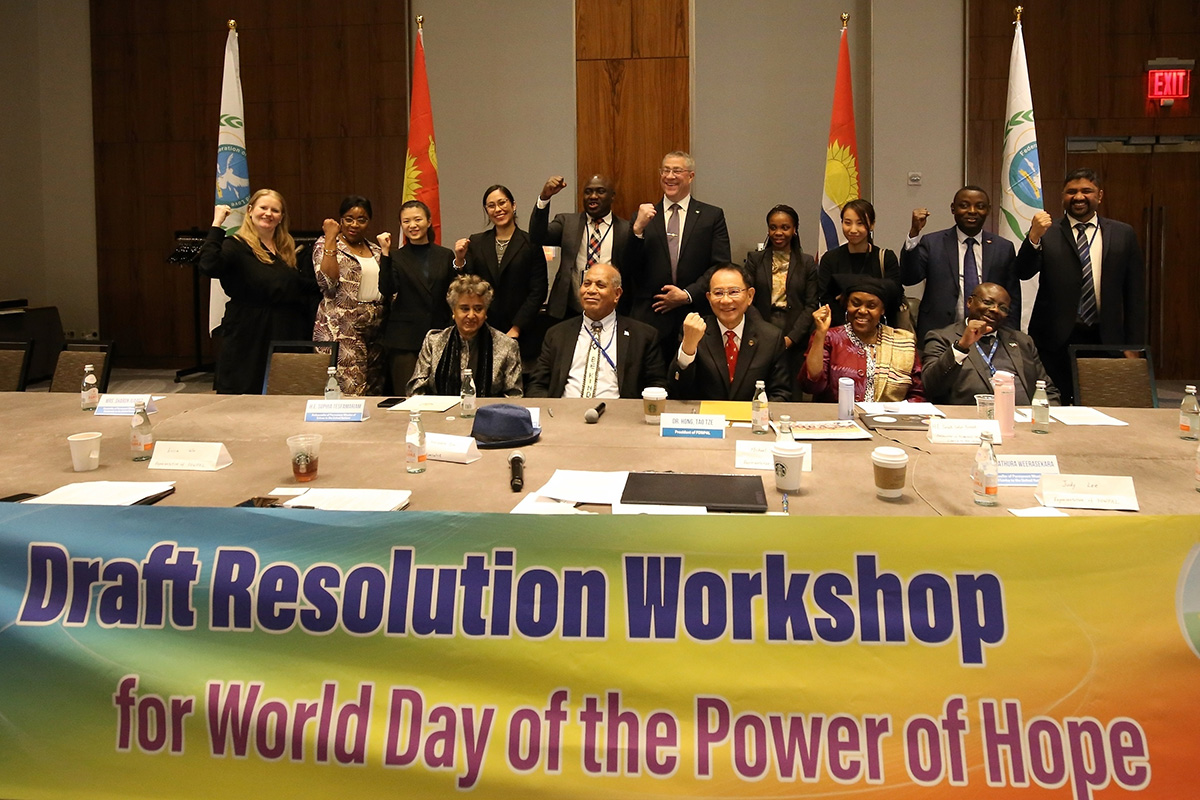

Ringing FOWPAL’s Peace Bell for the World:Nobel Peace Prize Laureates’ Visions and Actions

Protecting the World’s Cultural Diversity for a Sustainable Future


Puppet Show I International Friendship Day 2020