Trump Returns from Asia Tour, Addresses Key Issues at White House
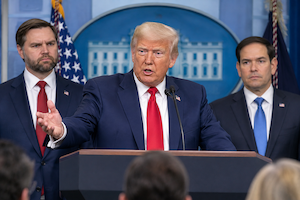
U.S. President Donald Trump returned to Washington on November 20 after completing a multi-day tour of Asia, holding a press conference at the White House to discuss the outcomes of his trip. Following a high-profile trilateral meeting with Chinese President Xi Jinping and Russian President Vladimir Putin, Trump turned his attention to a wide range of issues, including trade, artificial intelligence, Iran's nuclear program, the war in Ukraine and domestic politics.
According to Reuters, Trump praised the results of his Asian tour, saying he had met with leaders from more than 20 countries and secured two new trade agreements, with around 10 additional deals in progress. He also highlighted discussions with China and Russia on nuclear risks and international security, stressing that a nuclear war must be avoided.
On the war in Ukraine, Trump said Putin wanted to end the conflict through diplomacy. He suggested that both Moscow and Kyiv faced difficulties in bringing the war to an end. However, Russia has continued its attacks on Ukraine, while Moscow has expressed reservations about claims of progress in negotiations previously made by U.S. envoy Jared Kushner, leaving the prospects for peace uncertain.
Regarding Iran, Trump reiterated that the United States would not allow Tehran to acquire nuclear weapons. He said Iran wanted to reach an agreement with Washington, but its current terms were not yet acceptable to the United States.
Economic and technology policies were also major topics at the press conference. Trump said his administration would impose significant penalties on companies planning to build data centers overseas, arguing that such investments should remain in the United States. He said the policy was intended to strengthen America's competitive position against China in the artificial intelligence sector.
On domestic issues, Trump said he was willing to work with Democrats on healthcare and immigration, expressing hope that bipartisan negotiations could lead to policy breakthroughs. He also addressed gasoline prices, interest rates and infrastructure, defending his administration's economic policies.
Vice President JD Vance and Secretary of State Marco Rubio were also present at the press conference. Both men are widely viewed as potential contenders for the Republican presidential nomination in 2028, drawing attention to Trump's comments about their political futures. However, Trump did not explicitly endorse either as his preferred successor.
The press conference highlighted Trump's efforts to portray his Asian tour as a diplomatic and economic success while underscoring the challenges facing his administration. From the war in Ukraine and Iran's nuclear ambitions to investment in artificial intelligence and domestic healthcare policy, Washington continues to confront a complex range of issues. Whether the diplomatic understandings reached during the Asian tour can be translated into concrete policy outcomes remains to be seen.
- 29 reads
Human Rights
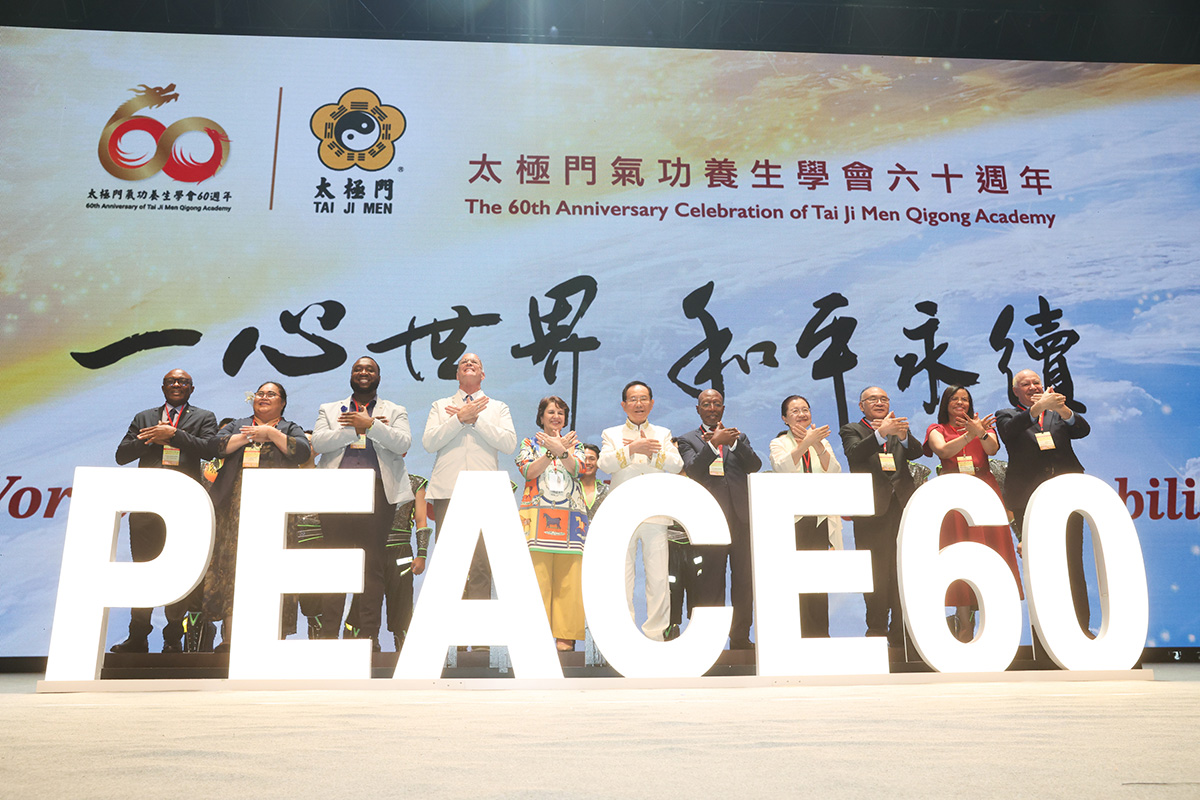
Fostering a More Humane World: The 28th Eurasian Economic Summi
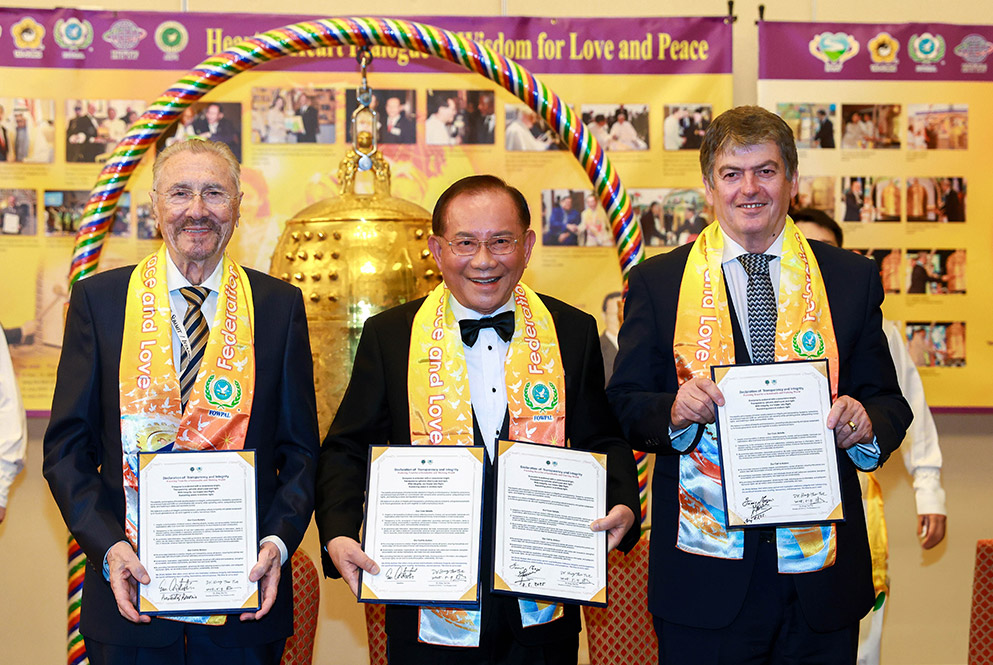
Conscience, Hope, and Action: Keys to Global Peace and Sustainability
Puppet Show I International Friendship Day 2020