Soaring Rents Spark Public Outrage as Spain Sees First General Strike in 14 Years
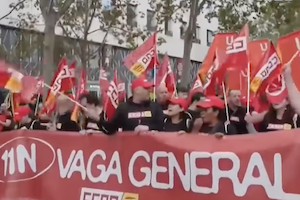
On the 11th, Spain erupted into its first nationwide general strike since 2012, with roughly 4 million workers answering the call to protest sky-high rents and low wages. Organized by two major labor unions alongside local tenants' groups, the mobilization drew hundreds of thousands of people onto the streets to express fierce discontent over the spiraling cost of living—even as torrential rain battered major cities like the capital, Madrid,and Barcelona, that evening.
The protests were triggered by the tragic death of an 87-year-old woman in Madrid, who fell ill and passed away after being forcibly evicted when she could no longer afford a rent hike imposed by her corporate landlord. Combined with parliament's earlier rejection of a housing reform bill, the incident ignited widespread public fury. According to statistics, Spain currently faces a shortage of about 750,000 homes, while average monthly rent has surged to €1,176—consuming nearly the entire monthly salary of young workers and forcing many in the younger generation to give up on living independently.
The strike dealt a heavy blow to local transportation and manufacturing, with absenteeism reaching up to 90 percent at some auto plants and ports, and peak ridership on the Madrid Metro plummeting. However,nighttime demonstrations escalated into clashes between police and protesters in several areas. As some demonstrators set fire to street debris or forced businesses to shut down, police deployed tear gas and rubber bullets to disperse crowds, resulting in over a thousand security incidents nationwide and more than a hundred arrests.
With Spain set to hold a snap general election on November 29, the unrest quickly became a focal point of political sparring. While the left-wing ruling coalition expressed respect for the workers' demands, the opposition fiercely criticized the strike as a politically motivated mobilization timed for the election. Meanwhile,business groups and unions offered conflicting figures on actual turnout, and the Interior Ministry faced calls to resign over police tactics—adding further uncertainty to the pre-election landscape.
- 9 reads
Human Rights
Fostering a More Humane World: The 28th Eurasian Economic Summi
Conscience, Hope, and Action: Keys to Global Peace and Sustainability

Puppet Show I International Friendship Day 2020