No Majority for Coalition or Opposition in Israeli Knesset Election: Multiple Coalition Variables Lead to Political Impasse
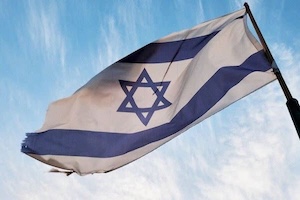
Israel held its 26th Knesset election on the 27th, recording a voter turnout of 77.7%—the highest since 1999.The right-wing governing coalition led by incumbent Prime Minister Benjamin Netanyahu saw its parliamentary majority plunge from 68 seats prior to dissolution down to an estimated 53–55 seats. While remaining the largest bloc in parliament, it has lost its working majority. The opposition, led by former Chief of the General Staff Gadi Eisenkot, is projected to win 48 to 49 seats. With neither camp securing enough seats to form a government independently, Israel's political landscape has entered a severe stalemate.
Parties representing Arab citizens secured a historic high of 16 to 19 seats in the election, positioning them as the pivotal kingmakers in determining coalition outcomes. An alliance between the opposition and Arab parties represents one potential route to a governing majority. However, opposition leader Eisenkot and most Jewish political leaders explicitly ruled out forming a coalition with Arab parties during the campaign. Furthermore,Arab parties remain divided internally over whether to formally enter a minority coalition or merely provide confidence-and-supply support from outside the cabinet, adding another layer of complexity to coalition negotiations. Another alternative is the formation of a "National Unity Government" between the two major blocs; however, the opposition centered its campaign on ousting Netanyahu, and Eisenkot pledged never to serve under him—making a grand coalition liable to trigger fierce backlash among opposition supporters.
Until a new government is officially formed, Netanyahu will retain power as caretaker prime minister, though the caretaker cabinet will face statutory limits regarding major policy decisions and legislative mandates. The opposition and Arab parties may join forces to pass a vote replacing the incumbent Knesset Speaker from the Likud party, Amir Ohana. By seizing control of the speakership and key parliamentary committees, they could constrain the caretaker administration's legislative and governing room to maneuver.
Following formal consultations with party leaders, Israeli President Isaac Herzog will grant a 28-day coalition-building mandate (with a potential 14-day extension) to the candidate deemed most capable of forming a majority government. Should coalition talks stall, the president may task a second candidate with an unextendable 28-day mandate; if that attempt also fails, a majority of Knesset members may recommend a third candidate. If no candidate manages to secure the backing of at least 61 members by the end of the statutory 12-week process, the Knesset will automatically dissolve, forcing Israel to head to another election.Mounting political uncertainty has already rattled Israeli financial markets: Tel Aviv's benchmark stock index tumbled over 3%, and the Israeli shekel depreciated against the US dollar. Regardless of who ultimately cobbles together a government, the next administration will be built on a remarkably fragile foundation.
- 14 reads
Human Rights

Fostering a More Humane World: The 28th Eurasian Economic Summi

Conscience, Hope, and Action: Keys to Global Peace and Sustainability

Puppet Show I International Friendship Day 2020