Headline: Political Upheaval in Serbia: Vučić's 14-Year Strongman Era Draws to a Close
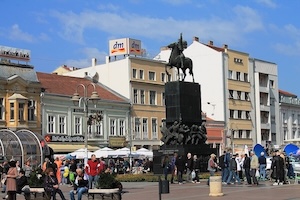
The political landscape of Serbia, a Balkan nation, has once again captured the international spotlight. Long dominating Serbian politics, President Aleksandar Vučić and his ruling coalition have recently faced multifaceted challenges—including a rising opposition, mounting public discontent, and widespread social protests. As the political tide turns, outside observers are watching closely to see whether the nation is on the cusp of a pivotal political transition.
Vučić emerged as a central figure in Serbian politics around 2012, serving sequentially as Deputy Prime Minister, Prime Minister, and President, while commanding vital political resources through his ruling party. His political platform emphasized national stability, economic development, and a balanced foreign policy, securing him significant domestic influence. However, his prolonged rule has led the opposition and segments of the public to question the excessive concentration of power, drawing criticism over media freedom, judicial independence, and electoral fairness.
In recent years, societal discontent in Serbia has steadily accumulated. Beyond concerns over economic development and the cost of living, issues regarding governance, suspected corruption, and public safety incidents have become focal points of public grievance. Through demonstrations and political mobilization, the opposition has demanded greater government transparency, accountability, and political reform.
Diplomatically, Serbia faces complex strategic choices. The country aspires to advance its bid for European Union membership while simultaneously preserving its traditional ties with Russia and deepening economic cooperation with China. Striking a delicate balance among European integration, national interests, and great-power competition continues to test the administration's diplomatic agility.
Analysts point out that if the ruling coalition loses its majority in the elections, it could fundamentally reshape Serbia's political power structure and future policy direction. Nevertheless, final election results, parliamentary seat distributions, and the actual transfer of power must rely on official announcements; political protests and rising opposition momentum alone are insufficient to declare the end of Vučić’s rule.
Moving forward, whether Serbia can bridge deep social divides through fair elections, institutional reforms, and political dialogue remains a crucial indicator for the country’s trajectory. This political shift will not only redraw the domestic balance of power, but could also reverberate across the geopolitical landscape of the Balkans and wider Europe.
- 28 reads
Human Rights
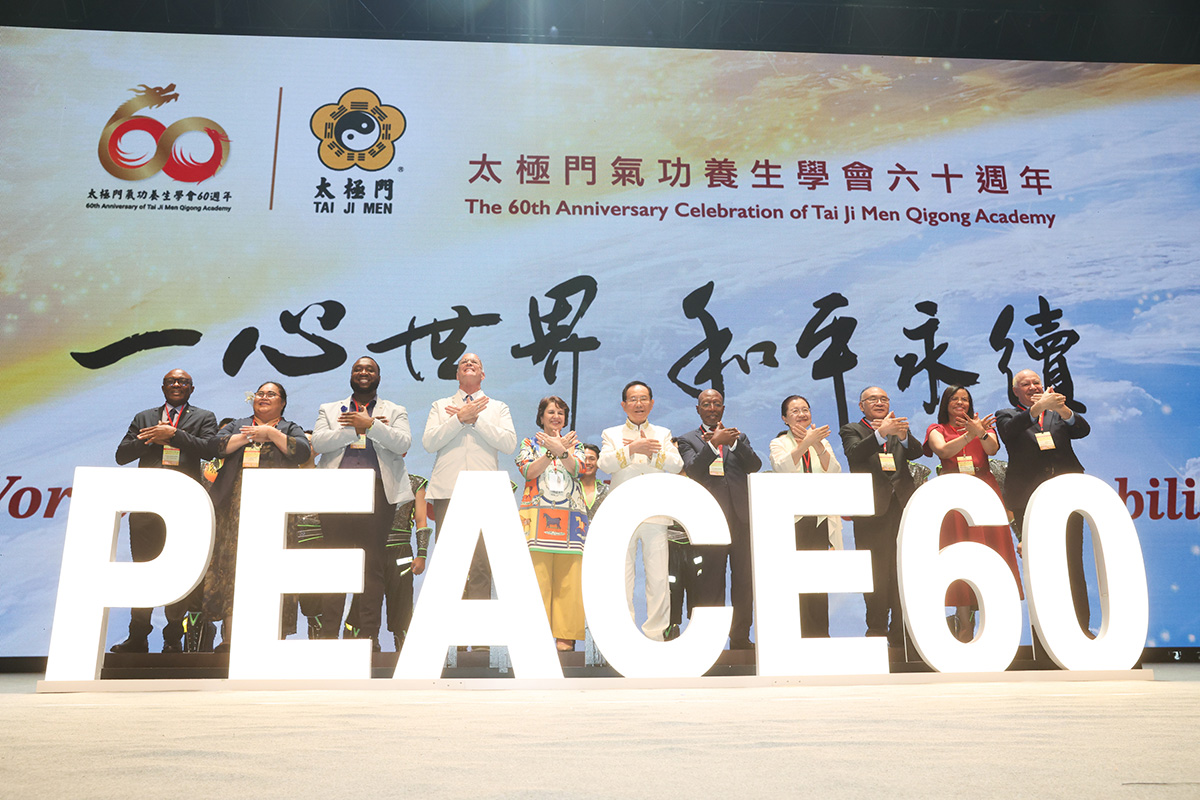
Fostering a More Humane World: The 28th Eurasian Economic Summi
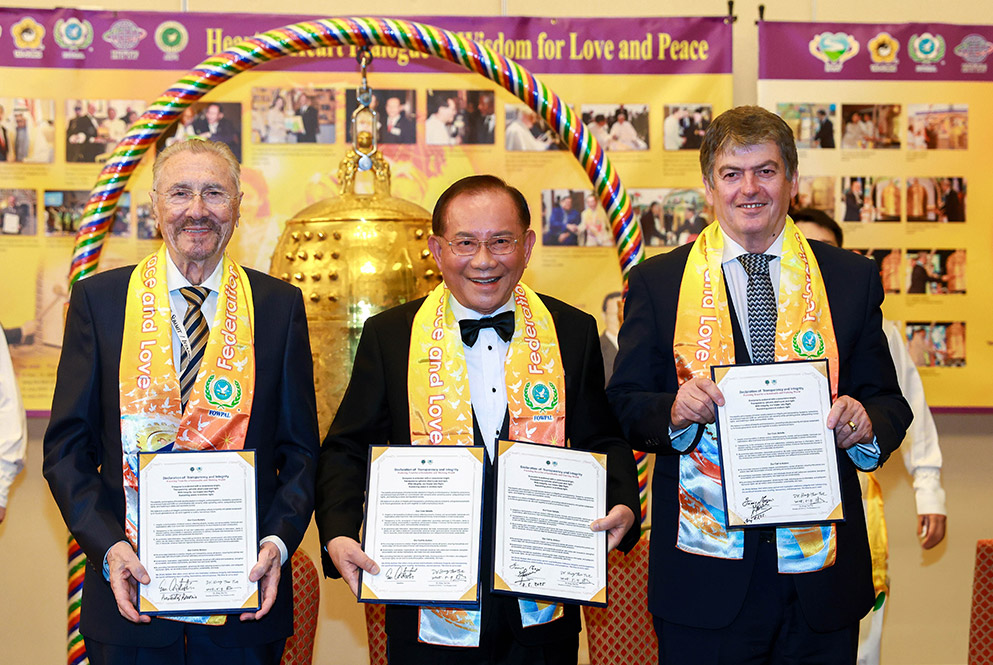
Conscience, Hope, and Action: Keys to Global Peace and Sustainability
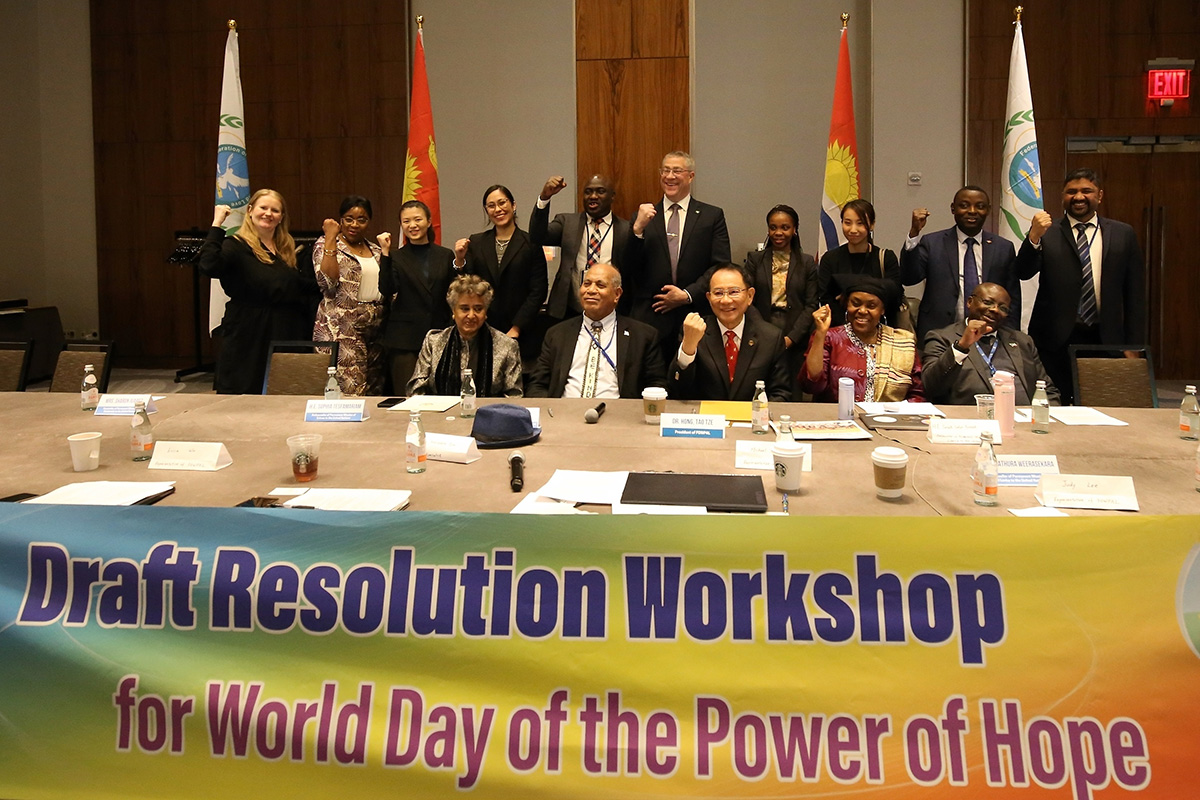
Puppet Show I International Friendship Day 2020