North Korea Accuses South Korea of Provocations, Threatens to Expand Weapon Deployments
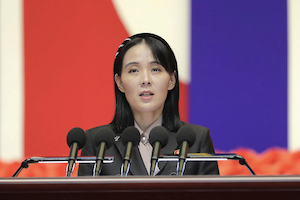
Tensions have flared once again near the Military Demarcation Line separating North and South Korea. Kim Yo-jong, Director of the General Affairs Department of the Workers' Party of Korea, accused the South Korean military on the 19th of conducting over 2,800 warning broadcasts and 201 warning shots along the border over the past two months, plunging the situation into extreme instability. She warned that North Korea is considering deploying additional tactical strike weapons along its southern border and resuming loudspeaker broadcasts targeting the South. She also criticized South Korean President Lee Jae-myung’s administration for adopting an even harder line toward Pyongyang than that of his predecessor, Yoon Suk-yeol.
Tensions on the Korean Peninsula have escalated once again. North Korea recently accused South Korea of provocative actions threatening regional security and threatened to ramp up weapon deployments to strengthen its national defense capabilities. The statements have drawn international concern, fueling fears that an intensifying military standoff could further undermine peace and stability across Northeast Asia.
North Korea has long viewed joint military exercises between South Korea and the United States as a direct threat to its security, regarding them as military pressure tactics. South Korea, for its part, has repeatedly maintained that sustaining a joint defense posture with the U.S. and enhancing military preparedness are essential measures to counter North Korea's nuclear and missile threats and ensure national security. The stark divide between both sides' positions continues to make de-escalation on the peninsula difficult to achieve.
Pyongyang’s threat to boost weapon deployments could involve fortifying conventional military forces as well as continuing the development of missile systems and other armaments. However, specific deployment details,quantities, and timelines remain unconfirmed. Outside analysts suggest North Korea may be using this hawkish rhetoric to showcase its military strength while sending strategic and political signals to both Seoul and Washington.
Meanwhile, South Korea continues to deepen its security cooperation with the United States, enhancing its readiness for contingencies through joint drills, intelligence sharing, and defensive deployments. The strengthening of the U.S.–ROK alliance, however, could also be cited by North Korea as justification for expanding its own arsenal, creating a cycle of reciprocal pressure.
Experts point out that the security dilemma on the Korean Peninsula stems fundamentally from a mutual lack of trust and the fact that military actions easily trigger chain reactions. An arms buildup by one side often prompts countermeasures from the other, fueling an arms race that heightens the risk of miscalculation and accidental conflict.
For now, political dialogue and military confidence-building between North and South Korea face steep hurdles. The international community continues to monitor developments closely, urging all relevant parties to exercise restraint and avoid any actions that could escalate tensions.
- 5 reads
Human Rights
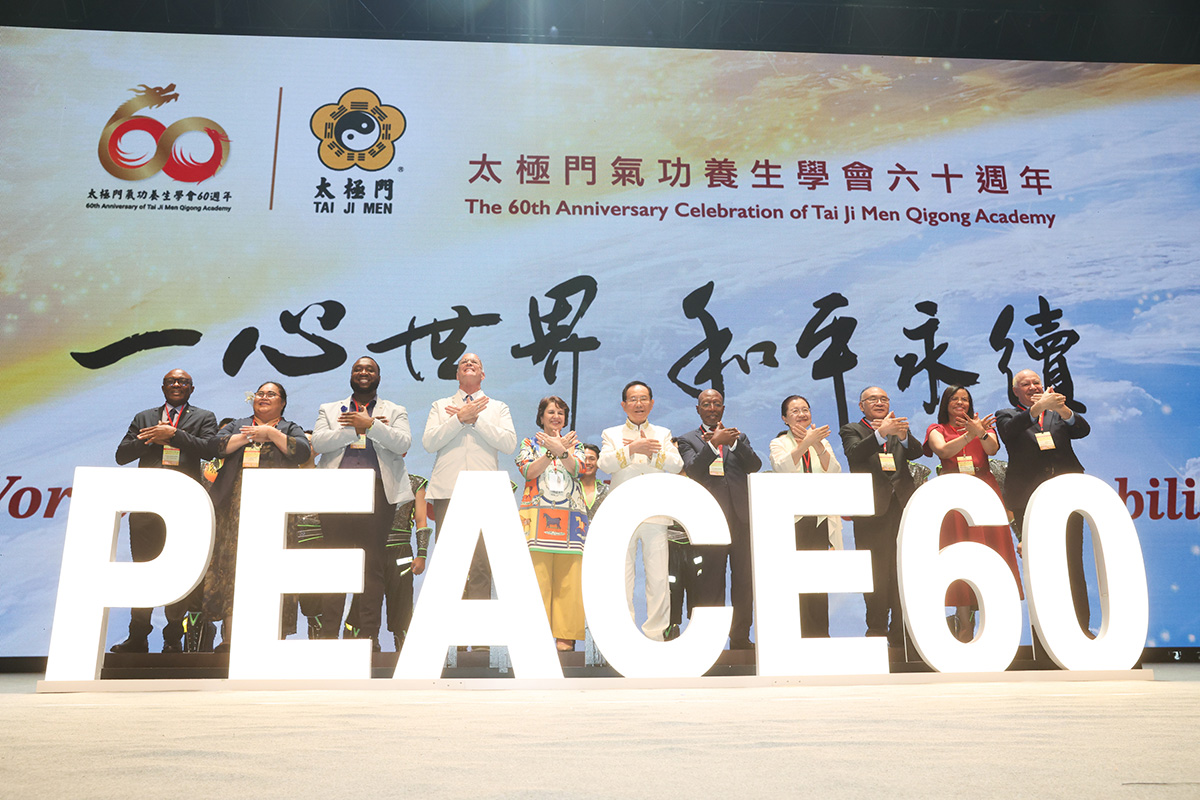
Fostering a More Humane World: The 28th Eurasian Economic Summi

Conscience, Hope, and Action: Keys to Global Peace and Sustainability

Puppet Show I International Friendship Day 2020