U.S. Post-Graduation Training Fees Could Surge 140-Fold: Trump Proposal to Impose Staggering Fees Sparks Shockwaves
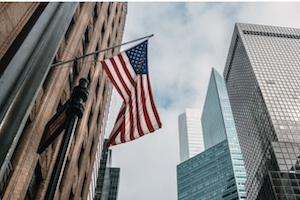
The U.S. government recently introduced a major draft immigration policy proposing astronomical application fees for international graduates seeking local work experience. According to the latest draft regulation disclosed by the Department of Homeland Security (DHS), the fee for student visa holders applying for post-graduation practical training would surge from the current $500 to $70,000. Widely seen as an extension of tightening immigration policies, this move aims to strictly regulate foreign labor and prioritize domestic employment opportunities.
This proposal upends the long-standing, low-cost application model for practical training. Historically, international students—especially those in STEM and tech fields—have relied on designated training programs after graduation to work at U.S. companies, using the opportunity as a stepping stone to transition into long-term work visas and permanent residency. If the new rule takes effect, first-time applicants would face staggering costs of over NT$2 million. Applying for subsequent practical training programs would require an additional payment of nearly NT$1 million. These heavy burdens could directly impact both academic institutions and hiring employers, drastically raising the hurdles for international graduates hoping to build a career in the country.
Officials defend the measure as necessary to maintain immigration integrity, curb fraud, and protect the interests of domestic workers. However, the proposed restrictions deal a severe blow to major tech hubs like Silicon Valley, which rely heavily on overseas talent, as well as universities that depend on international student tuition as a critical revenue stream. Educational associations and policy experts warned that shutting out global talent will only undermine U.S. innovation and global leadership. The move also sharply contrasts with Donald Trump’s earlier campaign rhetoric, in which he suggested easing paths for international graduates to remain in the U.S. and even granting green cards upon graduation. This policy reversal has drawn intense scrutiny.
Skepticism over the proposal's legality remains widespread. Talent-mobility advocacy groups and legal scholars note that previous attempts by the Trump administration to sharply increase fees for certain work visas were ultimately struck down in court for lacking adequate legal justification. Observers expect this draft rule to face fierce legal challenges from business coalitions and higher education institutions. The proposal will soon enter a 30-day public comment period, with a projected 60-day implementation grace period once finalized. Universities and corporate employers are closely monitoring further developments.
- 64 reads
Human Rights

Fostering a More Humane World: The 28th Eurasian Economic Summi

Conscience, Hope, and Action: Keys to Global Peace and Sustainability

Puppet Show I International Friendship Day 2020