US House Passes Graham Sanctions Act: Russian Energy Buyers Face Secondary Tariffs
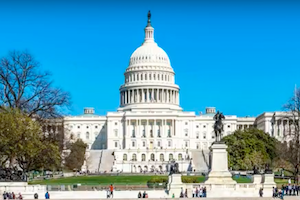
On the 16th, the U.S. House of Representatives voted 262 to 159 to pass the Lindsey O. Graham Sanctioning Russia and Iran Act of 2026. Having previously passed the Senate, the bill will be formally sent to President Donald Trump for his signature. The legislation aims to cut off Moscow's energy revenue stream to curtail Russia's military campaign in Ukraine, while also incorporating provisions such as a five-year extension of the Iran Sanctions Act.
The bill grants the executive branch sweeping authority over tariffs and secondary sanctions. These include hiking tariffs on Russian imports up to a maximum rate of 500%, as well as authorizing the President to impose secondary tariffs of up to 100% on major buyers of Russian energy or nations assisting in sanctions evasion. It also establishes a dynamic evaluation and adjustment mechanism reviewed every 180 days: if a country's purchases of Russian energy account for less than 15% of total Russian exports and it demonstrates significant reduction efforts, secondary tariffs may be adjusted accordingly.
According to data compiled by the Centre for Research on Energy and Clean Air (CREA), the top five export destinations by revenue in August 2026 were China, India, Turkey, the European Union, and Egypt. China and India have each made their positions clear and issued warnings. China's Ministry of Foreign Affairs emphasized that economic and trade cooperation is built on equality and mutual benefit and should not be subject to interference or coercion by third parties. India's Ministry of External Affairs (MEA) reaffirmed its commitment to securing the energy needs of its 1.4 billion citizens, warning that steep tariffs would harm bilateral relations and disrupt global energy markets. On the other hand, Ukrainian President Volodymyr Zelensky warmly welcomed the bill, hailing it as a historic milestone to ramp up pressure on the Russian war machine and sever its oil funding.
The legislation has sparked fierce domestic debate in the United States as well. House Speaker Mike Johnson praised the vote, stating it puts an end to Russia funding its war efforts via third parties. However, Democratic Leader Hakeem Jeffries and House Foreign Affairs Committee Ranking Member Gregory Meeks warned that the bill excessively expands presidential tariff discretion and risks harming European allies who remain reliant on Russian natural gas. Dozens of industry organizations, including the U.S. Chamber of Commerce, also issued joint warnings that secondary tariffs would drive up consumer and manufacturing costs, shift financial burdens onto American consumers, and trigger retaliatory trade actions.
- 5 reads
Human Rights

Fostering a More Humane World: The 28th Eurasian Economic Summi

Conscience, Hope, and Action: Keys to Global Peace and Sustainability

Puppet Show I International Friendship Day 2020