Solomon Islands Parliament Suspended Indefinitely as PM Wale Survives No-Confidence Vote
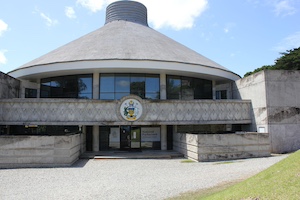
Solomon Islands Prime Minister Matthew Wale has survived a no-confidence motion and announced in Parliament that it would go into recess indefinitely, temporarily easing the political crisis facing his government. Amid the recent political turmoil, Wale even cut short his attendance at the Pacific Islands Forum summit and returned home to confront the no-confidence challenge. However, after former Home Affairs Minister Manasseh Maelanga withdrew the motion on September 6 and more lawmakers shifted their support to the ruling coalition, Wale successfully retained his position as prime minister.
The political turmoil has drawn considerable international attention, coming at a time when the United States and China are competing for influence in the South Pacific. Since taking office in May, Wale has moved to review the security agreement Solomon Islands signed with China in 2022, while actively seeking to deepen cooperation with the United States and Australia. U.S. Deputy Secretary of State Christopher Landau recently visited Solomon Islands, pledging to resume operations of the Peace Corps. The two sides are also discussing potential U.S. investment in port development and expanded cooperation on coastal security and defense.
Following Parliament's recess, the Wale government is likely to avoid another no-confidence challenge in the short term. Wale said he hopes Parliament can resume sitting and complete its budget deliberations before Christmas, while using the recess to push ahead with major policy reforms, including reforms to the mining sector and a free education policy.
Diplomatic observers say Wale's success in weathering the political test just three months after taking office will not only shape the future direction of Solomon Islands' foreign policy, but could also have broader implications for security and strategic alignments across the South Pacific.
- 184 reads
Human Rights
Fostering a More Humane World: The 28th Eurasian Economic Summi
Conscience, Hope, and Action: Keys to Global Peace and Sustainability
Puppet Show I International Friendship Day 2020