First AI-Generated Virus Raises Concerns Over Potential Bioweapons
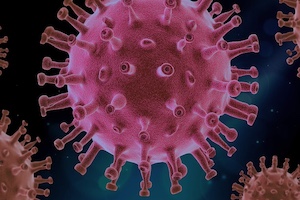
Researchers at Stanford University in the United States have used generative artificial intelligence (AI) to design synthetic viruses capable of killing E. coli. The achievement marks the first known instance of AI being used to create viruses that do not exist in nature. While the breakthrough offers new hope for advances in medicine, it has also raised concerns that the technology could be misused to create dangerous pathogens or even biological weapons.
The researchers developed a generative AI system called Evo 2, which can write new genomes. Using the system, they designed and produced 16 synthetic bacteriophages that successfully killed E. coli without posing a threat to humans.
The achievement represents an important turning point in biological design. Evo 2 is an open-source AI model that anyone can download for free and use to design new genomes. The technology could help drive a resurgence of phage therapy and potentially usher in a new era of disease treatment and synthetic biology.
However, governments and scientific institutions have been slow to establish safeguards against the misuse of AI. Some experts worry that existing regulations and protective measures are inadequate to oversee generative genomics, and the findings have raised “urgent biosecurity and biosafety concerns.” The question is no longer whether generative AI will be used to design viral genomes, but whether the technology can be used without “causing serious harm.”
- 80 reads
Human Rights

Fostering a More Humane World: The 28th Eurasian Economic Summi

Conscience, Hope, and Action: Keys to Global Peace and Sustainability


Puppet Show I International Friendship Day 2020