European Heatwave Dries Up the Danube, Triggering Nuclear Power Shutdown Fears
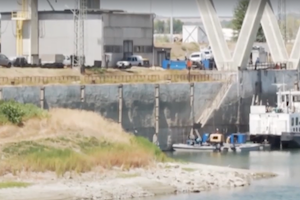
Europe continues to grapple with an intense heatwave and prolonged drought, driving water levels in the Danube River to their lowest on record. The crisis has not only severely disrupted river shipping but has also sparked growing concerns over energy security. Romania, Hungary, and Serbia have all experienced declining electricity generation, while two nuclear power plants that rely on the Danube for cooling have been forced to reduce output or partially shut down their reactors.
In an extraordinary effort to keep the country's last operating reactor online, the Romanian military reportedly deployed naval forces to blast riverbed rocks with 180 kilograms of explosives, redirecting water flow toward the cooling intake. The unprecedented operation underscores how the drought has escalated into a matter of national energy security.
This summer, Europe has been battered by persistent extreme heat, with temperatures repeatedly reaching record highs across several countries. Beyond disrupting daily life, the prolonged lack of rainfall has caused river levels to fall dramatically. Along sections of the Danube—which stretches across much of Central and Eastern Europe—the river has visibly dried up, hindering shipping, straining agricultural irrigation, and threatening the operation of nuclear power plants that depend on river water for reactor cooling. The situation has raised widespread concerns over the stability of Europe's energy supply.
As Europe's second-longest river, the Danube is a vital artery for transportation, water resources, and industrial activity. Under the combined impact of heat and drought, water levels in some stretches have fallen to their lowest point in decades. Many cargo vessels have been forced to reduce their loads due to insufficient draft, while others have suspended operations altogether. As a result, the transportation of coal, oil, agricultural products, and other commodities has slowed, placing renewed pressure on regional supply chains.
Even more concerning is the impact on nuclear power generation. As river levels continue to fall and water temperatures rise, nuclear plants that use river water to cool their reactors are facing mounting operational challenges. Nuclear facilities require a sufficient supply of cooling water to operate safely. If river flow becomes inadequate, or if the discharge of heated cooling water would cause river temperatures to exceed environmental limits, operators may be required to reduce power output or temporarily shut down reactors to ensure nuclear safety and protect aquatic ecosystems.
Energy analysts note that while Europe has made significant progress in advancing its energy transition in recent years, the increasing frequency of extreme weather events has exposed the vulnerability of its energy infrastructure to climate change. With hydropower generation reduced by drought and nuclear power constrained by cooling requirements, some countries may have little choice but to increase their reliance on natural gas- or coal-fired power plants to maintain electricity supplies, potentially complicating efforts to achieve carbon reduction targets.
Meteorological agencies warn that high temperatures are expected to persist across parts of Europe over the coming days, while rainfall is likely to remain limited, making any near-term improvement in drought conditions unlikely. The European Union has called on member states to strengthen water resource management, improve the flexibility of energy dispatch systems, and continue investing in climate-resilient infrastructure to reduce the impact of extreme weather on transportation, energy systems, and the broader economy.
Experts also caution that as global warming intensifies, severe heatwaves and prolonged droughts are likely to become more frequent. Balancing energy security with climate adaptation is therefore expected to become one of the most pressing challenges facing European nations in the years ahead.
- 93 reads
Human Rights

Fostering a More Humane World: The 28th Eurasian Economic Summi

Conscience, Hope, and Action: Keys to Global Peace and Sustainability

Puppet Show I International Friendship Day 2020