Iraq Shifts Oil Partnership from Russia to the U.S. as U.S.–Iraq Ties Move from Military Cooperation to Energy and Economic Development
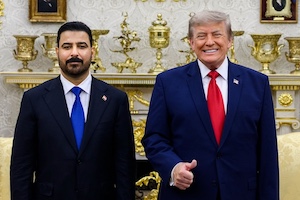
U.S. President Donald Trump met with Iraqi Prime Minister Ali al-Zaidi at the White House on the 14th, marking what both sides described as a strategic redefinition of U.S.–Iraq relations. The meeting produced two major agreements: the complete withdrawal of U.S. troops from Iraq by the end of September, and the establishment of a commercial energy partnership valued at up to US$60 billion, signaling a shift in bilateral relations from military cooperation to energy and economic collaboration.
Speaking to reporters at the White House, Prime Minister al-Zaidi stated, "By September 30, all U.S. forces will have fully withdrawn from Iraq." He added that as American troops depart, U.S. investment will enter the country. The Iraqi government also pledged to work toward disarming non-state armed groups, including Iran-backed factions, before the withdrawal deadline to ensure that the state retains the sole legitimate monopoly on the use of force. President Trump expressed support for the plan, saying that U.S. troops would no longer need to remain stationed in Iraq.
Trump emphasized that the proposed energy agreement would be the largest oil deal in history and would generate significant employment opportunities for both countries. Chevron is expected to play a central role, having secured exclusive negotiating rights for Iraq's West Qurna-2 oil field, which has previously been operated by Russia's Lukoil. The agreement also includes the development of the Nasiriyah oil field and exploration rights for additional fields in Dhi Qar Province. By strengthening cooperation with the United States, the Iraqi government aims to safeguard its energy production and exports from potential disruptions caused by international sanctions. The partnership is also expected to reinforce U.S. influence in the Middle East's energy sector while reducing Russia's long-standing presence.
To facilitate the diversion of approximately 95% of Iraq's oil exports away from the Iranian-controlled Strait of Hormuz, the United States and Iraq also plan to advance the Kirkuk–Baniyas oil pipeline project. The roughly 500-mile pipeline would run through Syria to the Mediterranean Sea, providing direct access to European markets and significantly reducing geopolitical risks associated with Middle Eastern energy exports.
Trump praised Prime Minister al-Zaidi as "a great leader," adding, "Iraq has tremendous potential because of its oil resources. We are going to make many deals—not only for the benefit of the United States, but also for Iraq's long-term stability and prosperity."
- 116 reads
Human Rights
Fostering a More Humane World: The 28th Eurasian Economic Summi

Conscience, Hope, and Action: Keys to Global Peace and Sustainability
Puppet Show I International Friendship Day 2020