Clashes Erupt During Anti-Immigration Protests in South Africa
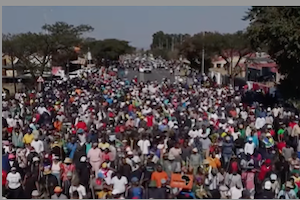
On June 30, thousands of demonstrators took to the streets across South Africa, demanding that the government deport all undocumented immigrants and declaring June 30 the "final deadline" for undocumented migrants to leave the country voluntarily. The nationwide demonstrations were organized by the anti-immigration movement March and March. Its leader, Jacinta Ngobese-Zuma, announced that protests would continue every Thursday over the next six months until the goal of removing all undocumented immigrants from South Africa is achieved.
The demonstrations took place across several provinces, including Gauteng, KwaZulu-Natal, and the Western Cape, with the largest gatherings occurring in Durban and Johannesburg. More than 5,000 protesters assembled outside a police station in Durban, dressed in traditional attire, carrying sticks, and chanting "Abahambe!"—a Zulu phrase meaning "They must go!"
Violence broke out in several locations during the protests. In Yeoville, Johannesburg, demonstrators reportedly forced their way into private homes, damaged doors and windows, and looted property. In the neighboring district of Hillbrow, a shooting left two people injured, including a 17-year-old boy. In retaliation, a crowd set fire to the suspect's vehicle. In KwaDabeka, Durban, several supermarkets were looted, prompting the South African National
Defence Force (SANDF) to deploy troops to restore order. To prevent further unrest, the South African government allocated 600 million rand (approximately US$36 million) to support the security operation.
According to official figures, South African police have arrested more than 40,000 undocumented foreign nationalssince the beginning of 2026, including over 7,400 arrests in the past month alone. In addition, approximately 25,000 migrants have already been repatriated under mounting pressure.
With youth unemployment standing at around 40%, many South Africans blame undocumented immigration for rising crime, drug abuse, and shortages in healthcare and education. However, the country's underlying policy challenges remain unresolved. A cabinet committee has warned that public dissatisfaction could be exploited for political purposes ahead of South Africa's local government elections in November.
- 132 reads
Human Rights
Fostering a More Humane World: The 28th Eurasian Economic Summi

Conscience, Hope, and Action: Keys to Global Peace and Sustainability
Puppet Show I International Friendship Day 2020