U.S.-Iran Talks Remain Uncertain as Iran Vows to Control the Strait of Hormuz
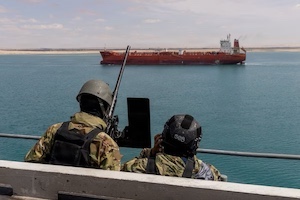
On the eve of a new round of U.S.-Iran talks scheduled for the 30th, control of the Strait of Hormuz has once again drawn international attention. Iranian Deputy Foreign Minister Kazem Gharibabadi said Tehran is determined to take control of traffic through the strategic waterway and called on Oman, which controls the opposite side of the strait, to reach an agreement on jointly regulating maritime transit.
He further warned that if Oman is unwilling to cooperate, Iran will unilaterally designate temporary shipping lanes and implement maritime traffic controls. He also cautioned that "no other country has the right to interfere," signaling that Iran has no intention of restoring the strait to the unrestricted freedom of navigation that existed before the outbreak of hostilities between the United States and Iran.
Although the preliminary peace agreement previously signed by Washington and Tehran stipulates that Iran may not charge transit fees for 60 days, the question of whether tolls will be imposed afterward remains open for negotiation. The United States, Europe, and Gulf states are deeply concerned that any future transit fees could significantly increase global energy costs. However, analysts note that as long as the southern shipping channel controlled by Oman remains open, Iran's ability to restrict maritime traffic would be relatively limited.
Oman's Sultan Haitham bin Tariq has publicly opposed the idea of charging transit fees, while the Omani foreign minister reiterated the country's commitment to international law. At the same time, he did not rule out adopting a model similar to that of the Strait of Malacca and Singapore by establishing a voluntary maritime service fee system funded by governments or private companies.
Regarding the U.S.-Iran negotiations, U.S. President Donald Trump stressed on the 29th that Washington's position is straightforward: Iran must be denuclearized. Iran, meanwhile, denied that any direct meeting between the two sides is planned, saying it will continue to monitor implementation of the preliminary agreement through Qatari mediation.
- 123 reads
Human Rights
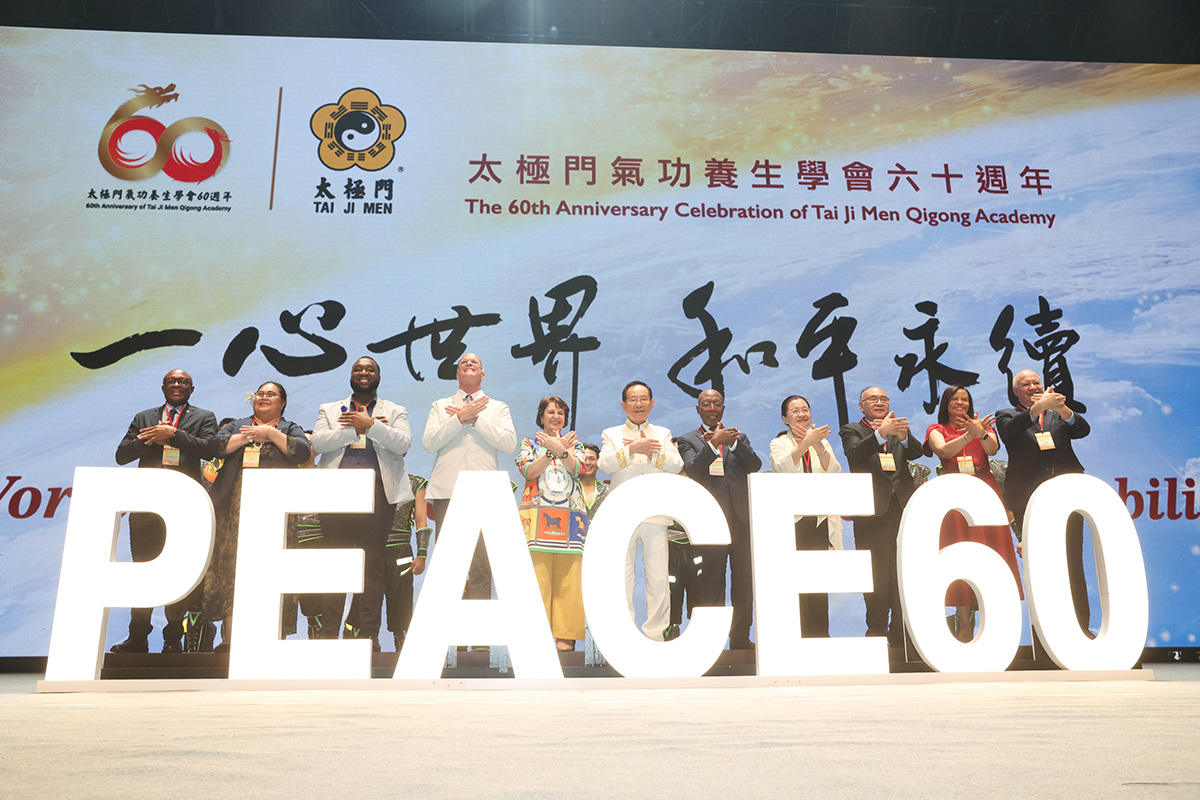
Fostering a More Humane World: The 28th Eurasian Economic Summi
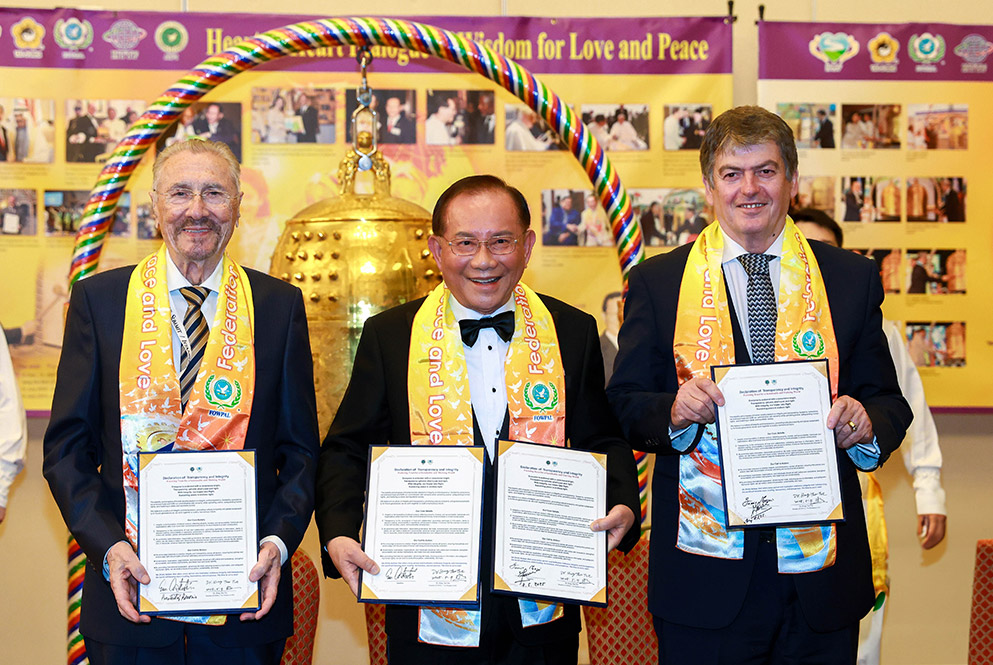
Conscience, Hope, and Action: Keys to Global Peace and Sustainability
Puppet Show I International Friendship Day 2020