U.S. Supreme Court Rules Trump Administration May Suspend Certain Immigration Asylum Applications
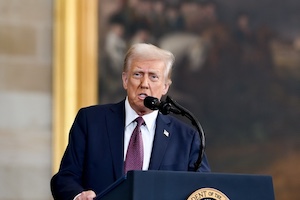
On June 25, the U.S. Supreme Court ruled 6–3 in favor of two immigration policies advanced by the Trump administration. The first allows the government to deny asylum applications at the U.S.–Mexico border, requiring foreign nationals to be fully admitted into the United States before they can apply for asylum. The second permits the administration to terminate Temporary Protected Status (TPS) for immigrants from 13 countries, including Haiti and Syria. Following the ruling, TPS beneficiaries may lose their legal right to remain and work in the United States and could face deportation.
Because TPS is a temporary humanitarian program designed to provide lawful residence and work authorization to foreign nationals who have fled armed conflict, natural disasters, or other emergencies in their home countries, the policy change is expected to have significant implications for both U.S. immigration policy and the labor market.
Among the communities most directly affected are Springfield, Ohio, which is home to approximately 350,000 Haitian immigrants, and around 6,000 Syrian immigrants. The executive director of a Haitian advocacy organization stated that although the Supreme Court's decision was not unexpected, many Haitian families have lived in the United States for years and have established stable social networks and employment. Many no longer have relatives or support systems in Haiti. If forced to return, they would have nowhere to turn. The loss of legal work authorization for a large number of immigrants could also have a serious impact on the local economy.
Haitian immigrants argued that ending TPS amounted to discrimination, but the Supreme Court rejected that claim. The Trump administration maintained that TPS is a temporary humanitarian protection rather than a pathway to permanent residency, and that the government has the authority to end the program once conditions such as war or natural disasters in recipients' home countries have improved. Meanwhile, faith-based advocacy groups expressed concern that the administration may launch enforcement operations involving arrests and deportations. They said they would provide affected families with legal assistance and emergency support services.
- 86 reads
Human Rights

Fostering a More Humane World: The 28th Eurasian Economic Summi

Conscience, Hope, and Action: Keys to Global Peace and Sustainability

Puppet Show I International Friendship Day 2020