Vance, Iranian Delegation Arrive in Switzerland for Nuclear Talks
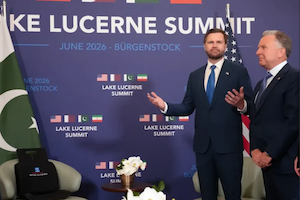
Following the signing of a memorandum aimed at ending the Middle East conflict, the United States and Iran are set to hold talks in Switzerland on June 21. U.S. Vice President JD Vance arrived in Switzerland on June 20 and told reporters before departure that he expected to stay for one or two days. He said Washington hoped to make progress on two key issues: Iran’s nuclear program and a ceasefire in Lebanon.
Under the memorandum signed by Washington and Tehran, the United States agreed to lift its blockade of Iranian ports, while Iran pledged to guarantee freedom of navigation through the Strait of Hormuz. The agreement also temporarily suspends U.S. sanctions on Iranian oil exports and allows Iran immediate access to previously frozen assets.
The latest round of talks had originally been scheduled for June 19 in Switzerland but was postponed after both sides delayed their departures. The two countries signed a framework agreement last week and are now engaged in an intensive 60-day negotiation process aimed at reaching consensus on technical details that could have significant implications for global economic stability and international security.
However, the two-month negotiation period has only just begun, and the situation has been complicated by escalating clashes in Lebanon between Israel and the Iranian-backed militant group Hezbollah. The conflict between Israel and Hezbollah has emerged as one of the major obstacles to the negotiations. Iran’s military subsequently announced the closure of the Strait of Hormuz, a claim rejected by U.S. Central Command, which said American forces continue to monitor the situation and ensure that the vital shipping route remains open.
Iranian Foreign Ministry spokesman Esmail Baghaei said on June 20 that the purpose of the delegation’s trip was to assess whether the United States was fulfilling its commitments under the agreement. He stated that formal negotiations would only proceed once Iran was satisfied that Washington was honoring its obligations.
The most sensitive issue—the future of Iran’s nuclear program and its stockpile of enriched uranium—will be addressed during this round of talks. So far, Iran has reiterated its long-standing position that it does not seek to develop nuclear weapons and has pledged to dilute its stockpile of near weapons-grade enriched uranium as part of a final agreement.
- 116 reads
Human Rights
Fostering a More Humane World: The 28th Eurasian Economic Summi
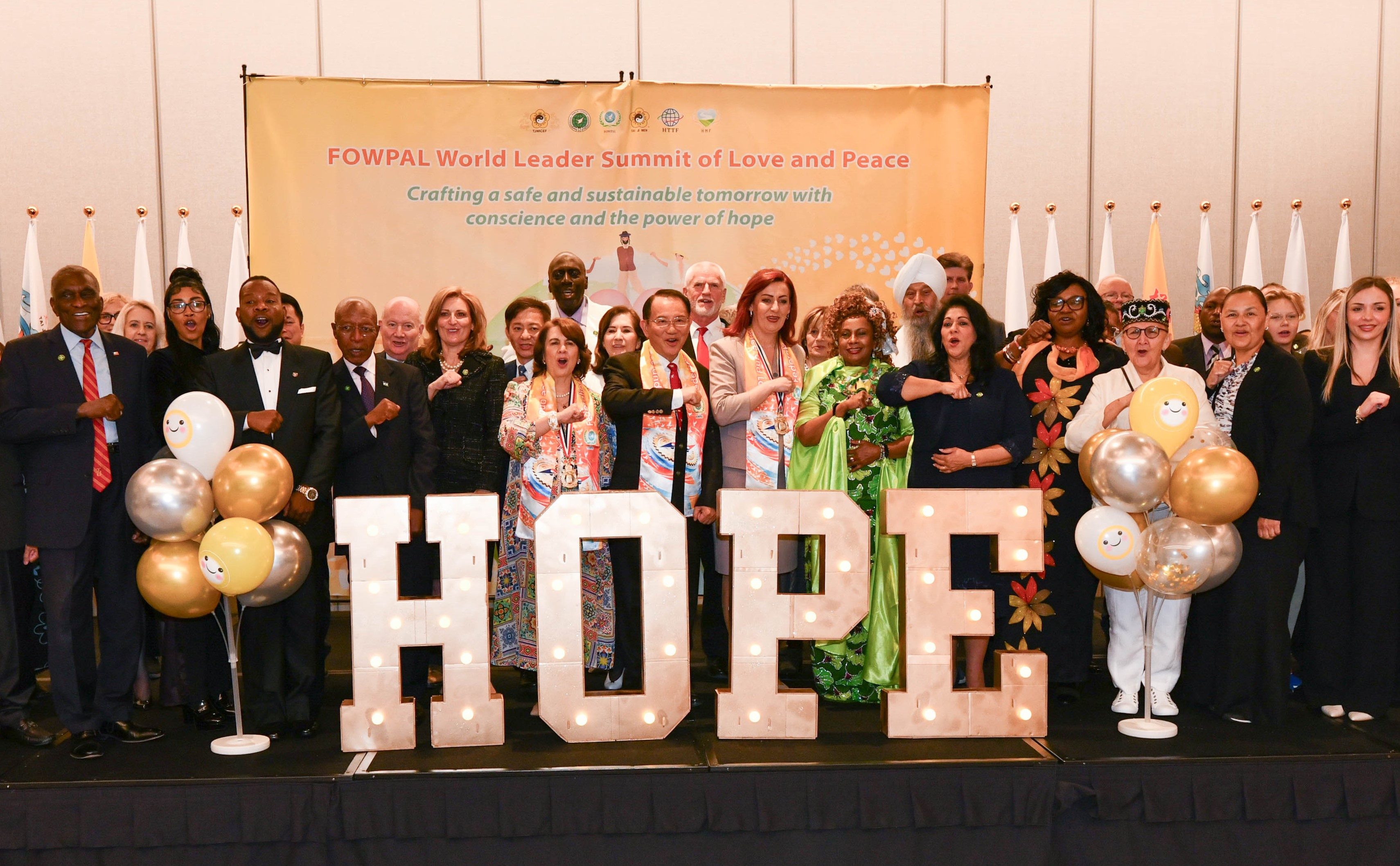
Conscience, Hope, and Action: Keys to Global Peace and Sustainability
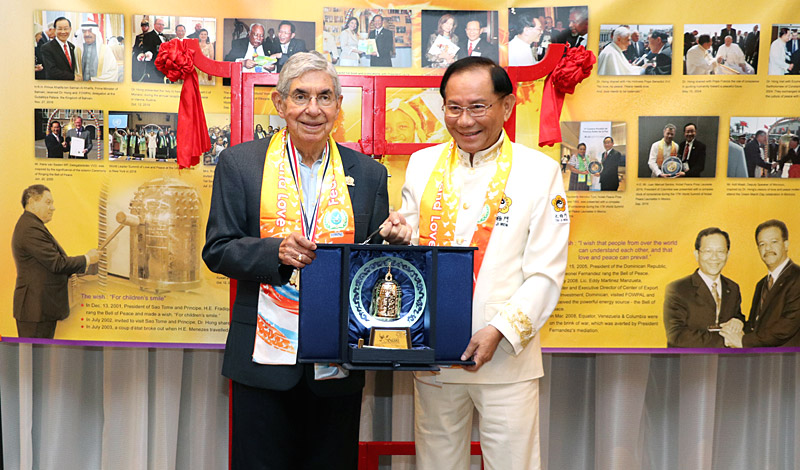
Ringing FOWPAL’s Peace Bell for the World:Nobel Peace Prize Laureates’ Visions and Actions
Protecting the World’s Cultural Diversity for a Sustainable Future
Puppet Show I International Friendship Day 2020