Iran Downs Apache Helicopter; U.S. Retaliation Damages Reservoirs, Drawing War Crime Allegations
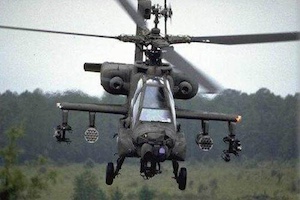
As the fragile ceasefire efforts between the United States and Iran failed to produce a consensus, a U.S. AH-64 Apache attack helicopter was shot down by an Iranian Shahed drone near the Strait of Hormuz on the 8th. The United States subsequently launched a large-scale “defensive strike,” which reportedly included attacks on key civilian water infrastructure in southern Iran, raising international concerns over a potential humanitarian crisis and possible war crimes.
The two pilots aboard the helicopter successfully ejected and were rescued. However, this marked the first time since the conflict began in February that a manned U.S. helicopter had been shot down. The U.S. Central Command (CENTCOM) carried out intensive airstrikes against Iran on the nights of the 9th and 10th. While the U.S. military stated that its targets included Iran’s air defense systems, ground control stations, communications centers, and radar installations, Iran accused Washington of expanding its attacks to critical civilian infrastructure. According to Iranian officials, the strikes destroyed two concrete reservoirs and damaged a telecommunications tower in Sirik County, Hormozgan Province.
Iran is currently facing a severe water shortage after years of drought. The reservoirs targeted in the strikes reportedly supply drinking water to more than 20,000 residents in Kouhestak and ten surrounding villages. The damage has dealt a significant blow to local civilian life. Isa Bozorgzadeh, a spokesperson for Iran’s water authorities, condemned the U.S. actions, calling them a “war crime.”
Speaking at an emergency meeting of the United Nations Security Council, UN Secretary-General António Guterres warned that the ongoing exchanges of attacks could escalate into a “full-scale war” and urged all parties to exercise restraint and respect international law. Qatar and Pakistan continue their efforts to mediate and revive negotiations, but the conditions set by both sides have become increasingly complex and difficult to resolve. As talks drag on, tensions in the Middle East remain highly volatile, with the potential to trigger a broader global crisis at any time.
- 103 reads
Human Rights
Fostering a More Humane World: The 28th Eurasian Economic Summi

Conscience, Hope, and Action: Keys to Global Peace and Sustainability

Puppet Show I International Friendship Day 2020