U.S. President Donald Trump Rejects U.S.-Iran Ceasefire Proposal as Middle East Tensions Escalate Again
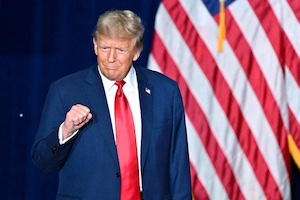
Hopes for a ceasefire in the Middle East have once again been overshadowed by rising tensions. On the 11th, U.S. President Donald Trump stated that he had rejected Iran’s response to a U.S. proposal aimed at ending the war in the Middle East, calling the contents “completely unacceptable.” He also warned that the already fragile ceasefire agreement could collapse further. The U.S. ambassador to the United Nations said Trump had allowed maximum room for diplomatic mediation, but if negotiations fail, the United States is prepared to return to the battlefield. Iran responded defiantly, saying its military is fully prepared to defend its nuclear facilities and does not rule out opening new fronts in the conflict.
As the joint U.S.-Israeli assault on Iran entered its 73rd day, the United States and the United Kingdom simultaneously imposed new sanctions on Iranian-linked individuals and entities accused of helping export Iranian oil to China. Trump stated that, in pursuit of “total victory” in the war, he is considering restarting “Project Freedom” to resume naval escort operations in the Strait of Hormuz. At the same time, he announced plans to temporarily suspend the federal gasoline tax to ease public frustration over soaring energy prices. Israeli Prime Minister Benjamin Netanyahu emphasized that the war is not over and insisted that Iran must still remove its enriched uranium stockpiles and dismantle related facilities.
In response to U.S. warnings, Iranian Parliament Speaker Mohammad Bagher Ghalibaf stated that Iran’s armed forces are ready to respond to any aggression and warned that if Britain or France deploy warships to the Strait of Hormuz, Iran will retaliate immediately. Iran’s Revolutionary Guard also threatened to target U.S. positions in the Middle East if oil tankers come under attack. As warfare and shipping risks intensified, international oil prices surged, with Brent crude rising above $104 per barrel. The United Nations expressed concern that continued disruption of this critical waterway could trigger a large-scale humanitarian and food crisis, placing simultaneous pressure on both the Middle East and the global economy.
- 92 reads
Human Rights
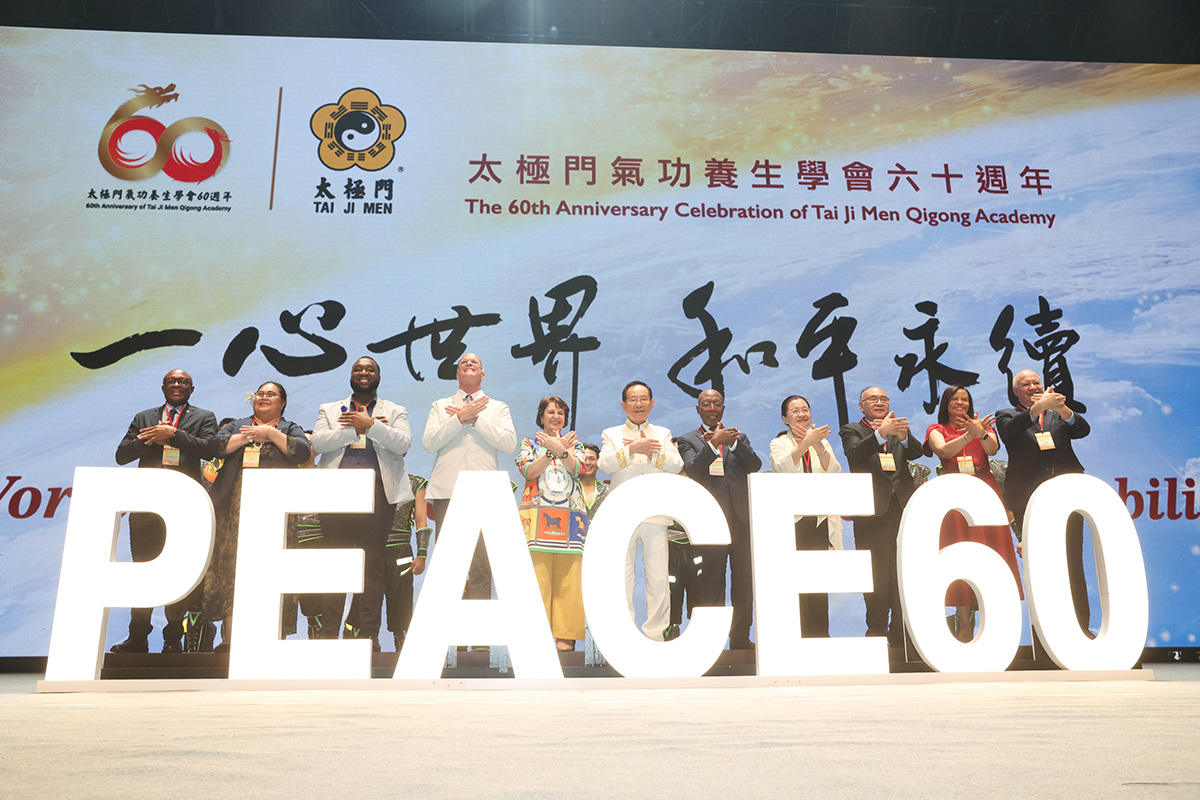
Fostering a More Humane World: The 28th Eurasian Economic Summi

Conscience, Hope, and Action: Keys to Global Peace and Sustainability
Puppet Show I International Friendship Day 2020