To Lam Concurrently Serves as Vietnam’s State President, Building a Strongman-Style Authoritarian Political System
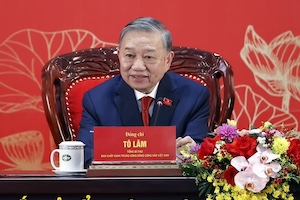
Vietnam’s political scene has recently undergone a major personnel shift. The current General Secretary of the Communist Party of Vietnam, To Lam, has officially taken on the concurrent role of State President, becoming the top leader holding the highest authority over the Party, government, and military. This arrangement is widely interpreted as a further concentration of power, signaling that Vietnam’s political system is moving toward a more strongman-centered leadership model, drawing international attention.
On the 7th, Vietnam’s National Assembly, with 495 members present and 5 absent, unanimously approved the Communist Party’s nomination for To Lam, the current General Secretary, to concurrently serve as State President. This move breaks from the previous “four pillars” collective leadership system, in which the General Secretary, State President, Prime Minister, and National Assembly Chairperson were held by four separate individuals. Last year (2025), the Standing Member of the Secretariat was added as another top leadership role. With his authority further expanded, To Lam was immediately sworn into office.
Vietnam’s State President To Lam stated: “Under the sacred red-and-gold star flag of the fatherland, before the National Assembly, the people, and the voters, I, the President of the Socialist Republic of Vietnam, solemnly swear absolute loyalty to the Party and to the Constitution of Vietnam, and I will do my utmost to fulfill the tasks entrusted to me by the Party, the State, and the people.”
Analysts believe this approach follows China’s model. While it may enable Vietnam to accelerate decision-making when facing various challenges, it could also push this one-party state toward greater authoritarianism.
Analysts also note that To Lam has long overseen the public security system. During his tenure as Minister of Public Security, he was known for his hardline measures against corruption and dissent. His concurrent appointment as State President not only continues the trend of internal power consolidation within the Communist Party of Vietnam but also marks the peak of his personal political influence. Observers see similarities between this concentration of power and Chinese leader Xi Jinping’s recent efforts to strengthen personal authority.
Vietnamese officials, however, emphasize that this move is intended to ensure policy continuity and political stability, and to help deepen anti-corruption efforts. In recent years, Vietnam has vigorously pursued its “blazing furnace” anti-corruption campaign, with multiple high-ranking officials being removed from office, leading to a political reshuffle. Against this backdrop, having one individual simultaneously hold Party and state power is seen as an important way to improve decision-making efficiency.
However, critics argue that excessive concentration of power may weaken institutional checks and balances, increase decision-making risks, and even affect foreign investors’ long-term confidence in Vietnam’s political stability. Especially amid global supply chain restructuring and intensifying geopolitical competition, Vietnam is striving to maintain its attractiveness as a manufacturing hub, making changes in its political system a subject of close scrutiny by the business community.
- 249 reads
Human Rights
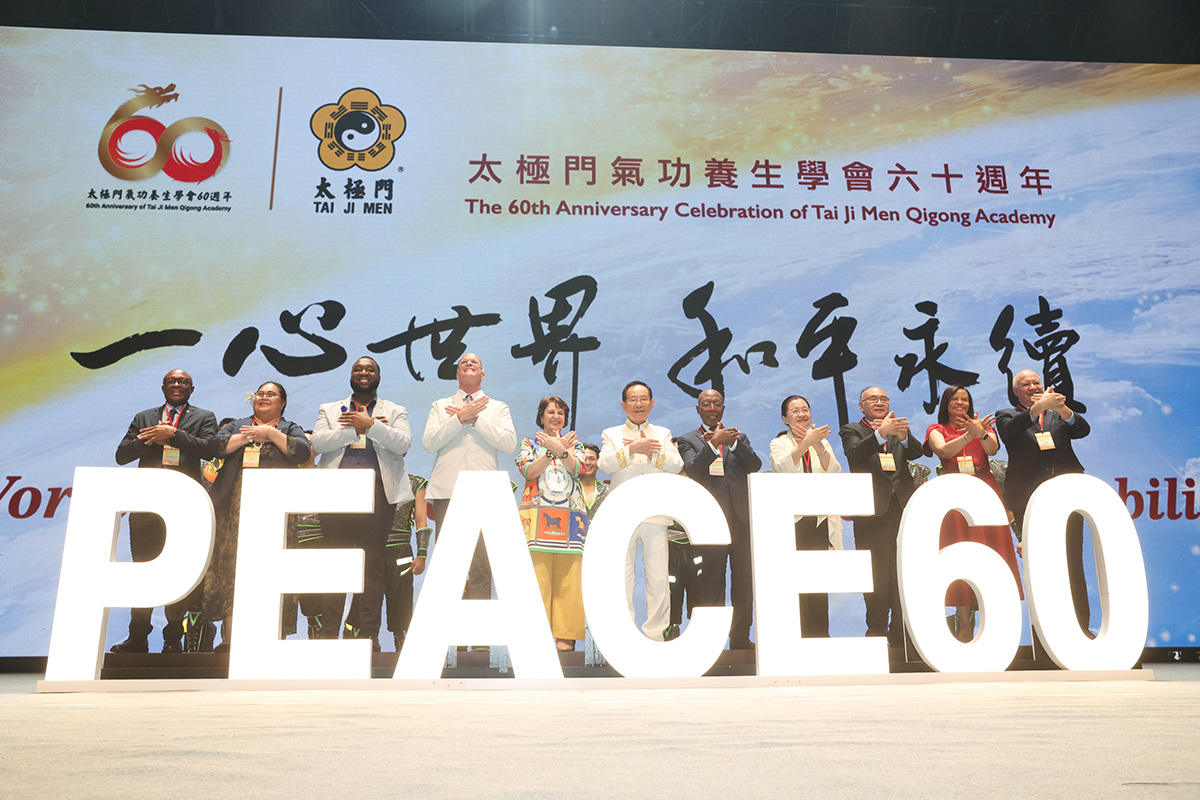
Fostering a More Humane World: The 28th Eurasian Economic Summi
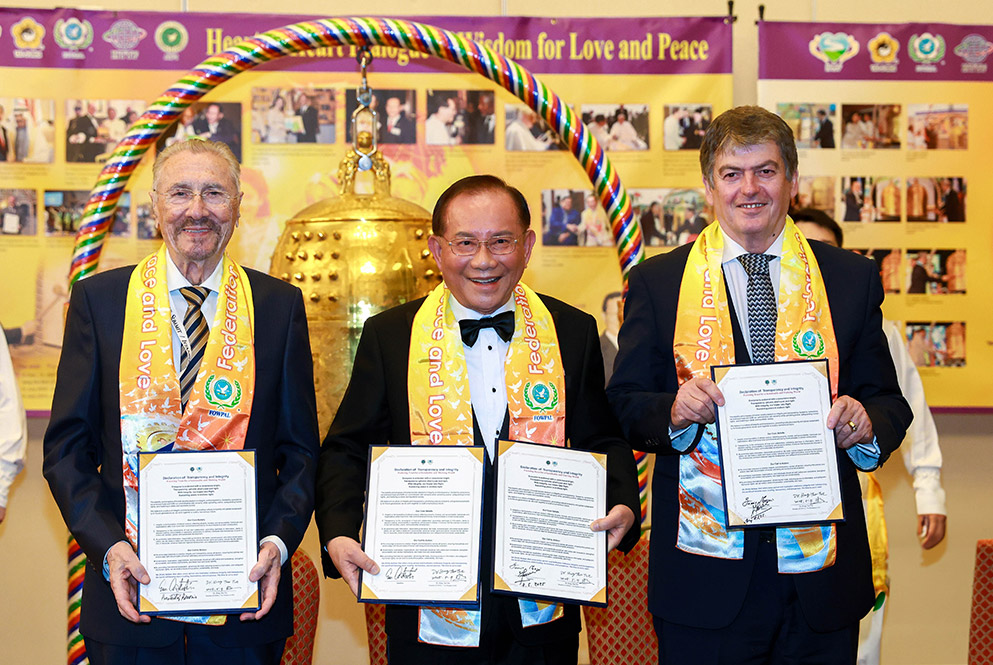
Conscience, Hope, and Action: Keys to Global Peace and Sustainability


Puppet Show I International Friendship Day 2020