MOL LPG Carrier Safely Transits Hormuz Strait, Signaling Easing Blockade
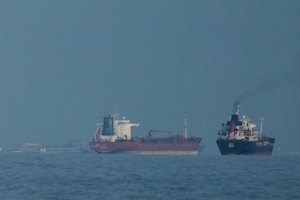
Amid ongoing conflict in the Middle East and tightening global energy supplies, a liquefied natural gas (LNG/LPG) carrier operated by Japanese shipping giant Mitsui O.S.K. Lines (MOL) has successfully and safely transited the strategic energy corridor of the Strait of Hormuz. The vessel is among the few ships to navigate the waterway following what has been described as a “de facto blockade,” drawing significant market attention.
According to multiple media reports, the Japanese-affiliated vessel and its crew were confirmed safe after completing the passage. This suggests that even under heightened military tensions, limited commercial shipping operations remain possible.During the same period, a French container ship and other international vessels also passed through the strait, a development widely interpreted as a sign of slightly easing risks along the route.
Analysts note that Iran has recently been in talks with Oman to establish a new transit mechanism, aiming to allow ships to pass through the Strait of Hormuz under specific conditions through joint oversight, balancing security concerns with shipping needs.In addition, Iran has reportedly provided safe passage assurances to vessels from certain “friendly nations” and has even introduced a screening and escort system, requiring ships to submit detailed information and obtain prior authorization before transit.
Market observers believe this reflects a strategic shift by Iran from a full blockade to a policy of “selective access,” maintaining geopolitical pressure while avoiding the economic backlash of completely halting energy exports.
The Strait of Hormuz, which connects the Persian Gulf to open seas, is one of the world’s most critical oil and natural gas transit routes, typically carrying over 20% of global oil supply. Any disruption can have severe impacts on global oil prices and supply chains.
Following military actions by the United States and Israel against Iran, Tehran at one point blocked the strait and targeted passing vessels, triggering sharp volatility in global energy markets and heightened shipping risks.
Although vessels, including those operated by MOL, have successfully transited the strait, the international community remains divided over whether to implement military escort operations, with related discussions at the United Nations reaching a stalemate.Experts caution that a full restoration of normal shipping through the Strait of Hormuz will depend on future developments in U.S.-Iran relations and broader regional security arrangements. In the short term, “limited transit” is likely to remain the norm.
- 187 reads
Human Rights
Fostering a More Humane World: The 28th Eurasian Economic Summi

Conscience, Hope, and Action: Keys to Global Peace and Sustainability

Puppet Show I International Friendship Day 2020