Trump’s 48-Hour Ultimatum: Iran Warns of “Zero-Restraint” Retaliation
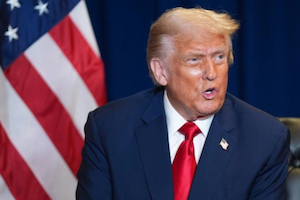
Tensions in the Middle East continue to escalate as reports emerge that Iran has imposed controls over the Strait of Hormuz, a critical global oil shipping route, drawing intense international attention. Donald Trump has issued a stern warning to Tehran, threatening military action against its power and energy infrastructure if navigation is not restored within a set deadline—widely interpreted as the start of a “48-hour ultimatum” countdown. In response, Iran has warned it will retaliate with “zero restraint,” further heightening regional tensions.
According to a report by The Guardian, Trump stated on his Truth Social platform that if full passage through the Strait of Hormuz is not restored within 48 hours, the United States will launch military strikes targeting Iran’s energy and electricity infrastructure. The deadline has reportedly been set for 23:44 GMT on Monday, signaling a clear and specific military threat. Notably, less than a day before issuing the ultimatum, Trump had suggested the possibility of gradually ending three weeks of ongoing military operations, underscoring the rapid shift toward a more hardline stance.
In response, Anadolu Agency cited Iranian Foreign Minister Abbas Araghchi as saying that Tehran would respond with “zero restraint” if its infrastructure were attacked. Iran has also emphasized that it has not fully blocked the waterway, but is instead restricting passage for vessels linked to countries engaged in hostile actions against it, while continuing to assist neutral nations—an apparent attempt to signal limited control and ease international concerns. However, Iran’s military has simultaneously warned that any U.S. or allied military action would be met with retaliatory strikes on their energy and critical infrastructure, reflecting a firm and uncompromising stance.
As the 48-hour deadline approaches, the situation in the Middle East is reaching a critical tipping point. From diplomatic rhetoric to military deployments, positions on all sides are hardening, leaving little room for negotiation. This standoff over a vital shipping route and energy security not only affects regional stability but also carries significant implications for the global economy. Developments in the coming days will be crucial in determining whether tensions ease or escalate into further conflict.
- 100 reads
Human Rights
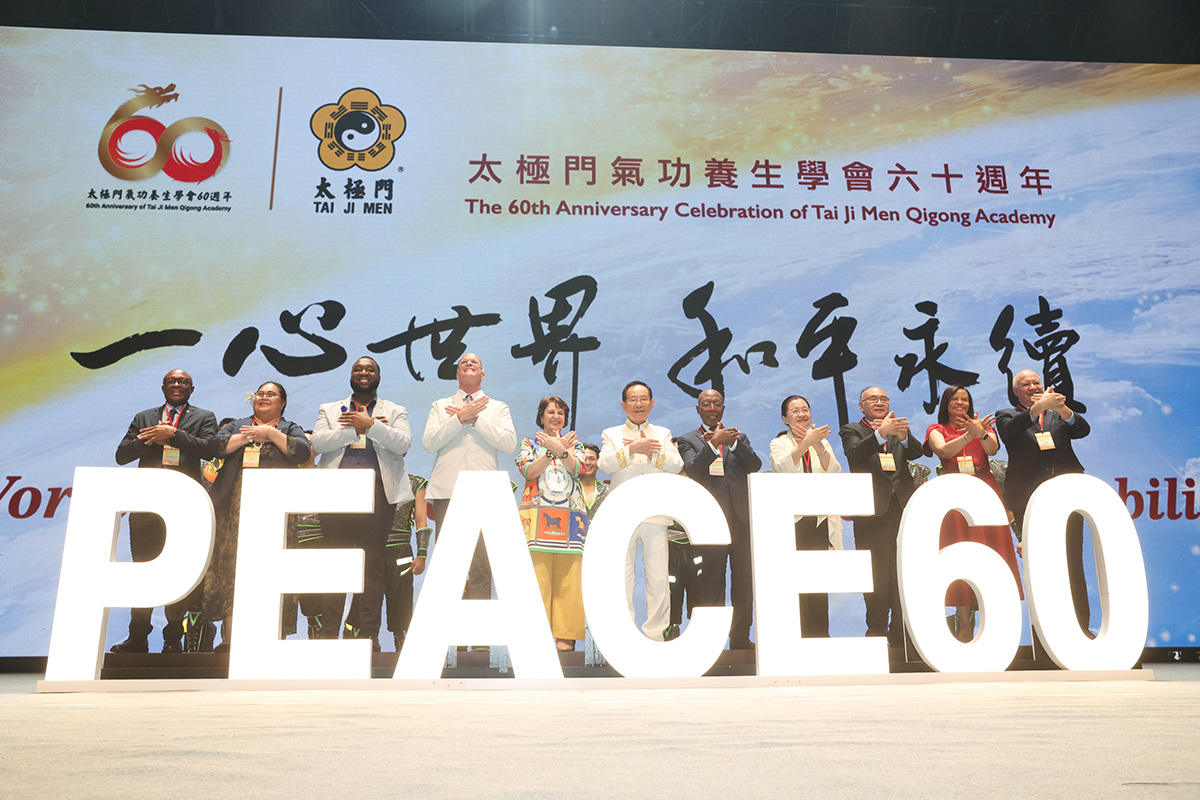
Fostering a More Humane World: The 28th Eurasian Economic Summi

Conscience, Hope, and Action: Keys to Global Peace and Sustainability

Puppet Show I International Friendship Day 2020