Nordic Countries Continue to Lead Global Happiness Rankings; Social Media Becomes a Growing Concern for Youth
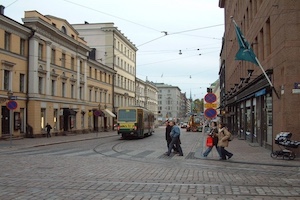
The 2026 World Happiness Report, released through a collaboration between the University of Oxford’s Wellbeing Research Centre, Gallup, and affiliated United Nations agencies, shows that Finland once again ranks at the top, maintaining its position as the happiest country in the world for several consecutive years. Other Nordic countries such as Iceland and Denmark also remain among the top performers. Meanwhile, Costa Rica in Central America has surged into the top five, becoming a notable highlight. Taiwan ranks 26th out of nearly 150 countries, continuing to lead in East Asia, reflecting the positive impact of economic stability and strong social systems.
The study indicates that high levels of happiness are often driven by factors such as social support, quality healthcare, and interpersonal trust, rather than simply the accumulation of wealth. The report evaluates countries using multiple indicators, including income, health, freedom, and levels of corruption. Additionally, while young people in most countries are generally happier than in the past, significant regional differences have emerged, suggesting that perceptions of happiness are closely tied to social environments.
However, the report also warns of negative trends in the digital age, particularly in Western countries, where life satisfaction among young people has declined noticeably. The study finds that prolonged exposure to social media platforms is associated with lower levels of happiness, with more pronounced effects among heavy daily users. Algorithm-driven recommendations and influencer content can fuel social comparison, while uncertainty about future employment and life pressures contribute to rising anxiety among some young people. Experts therefore call for a rethinking of digital habits and emphasize strengthening real-world social connections to improve overall well-being.
- 105 reads
Human Rights
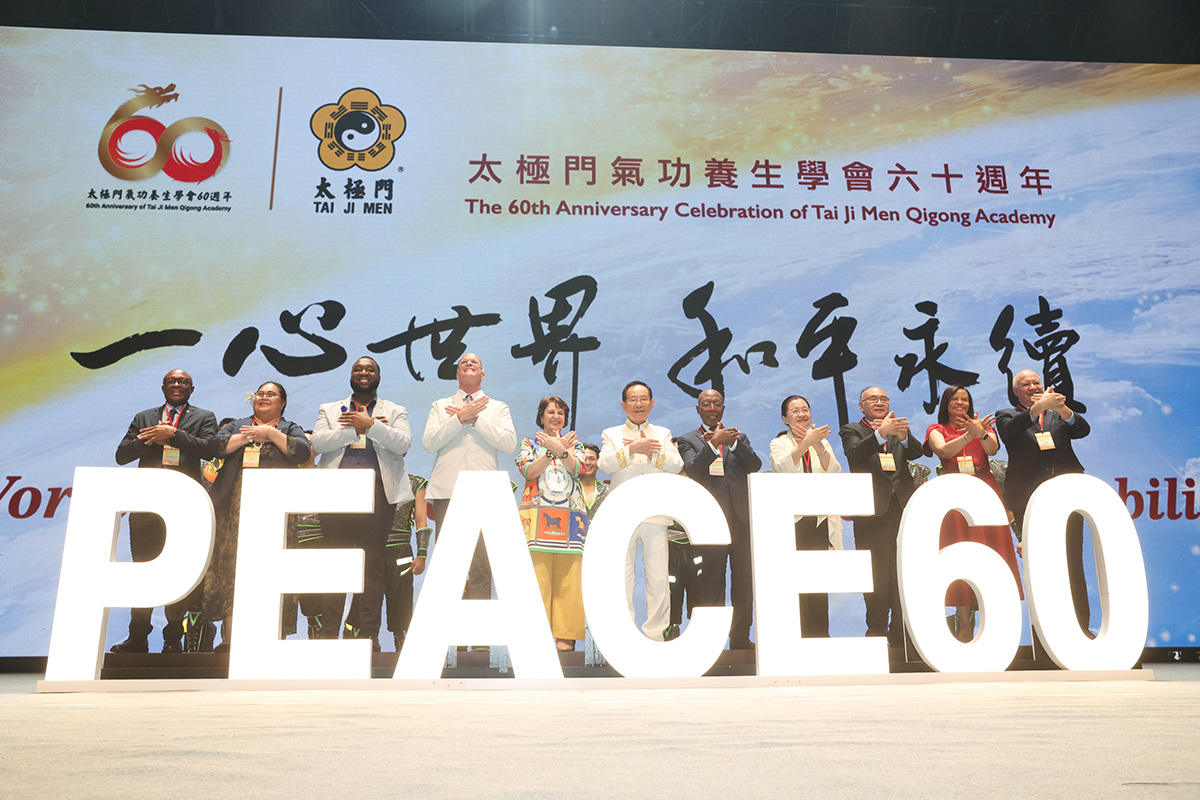
Fostering a More Humane World: The 28th Eurasian Economic Summi
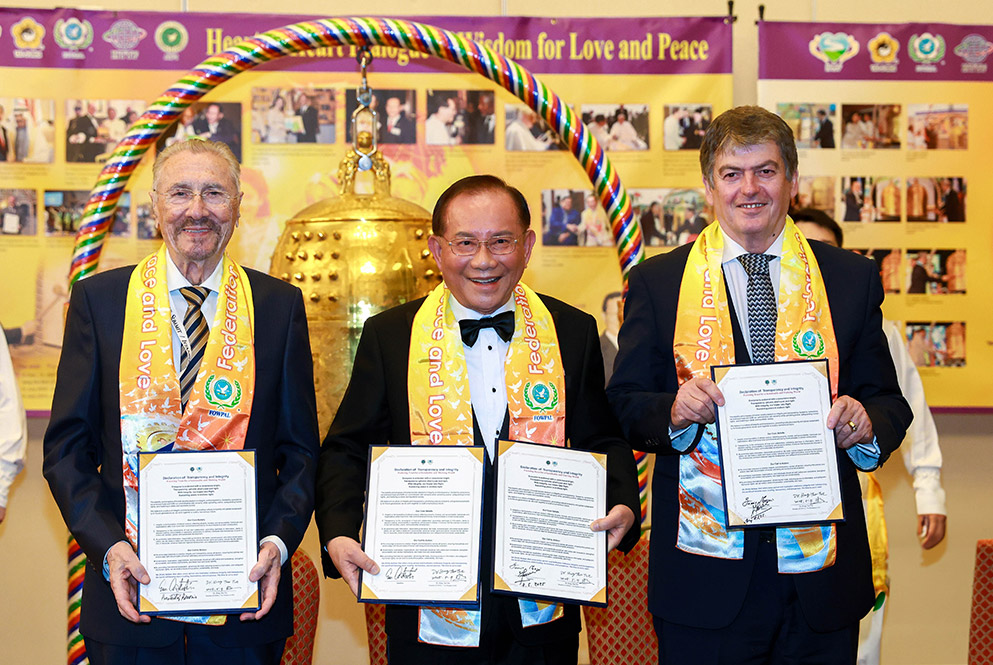
Conscience, Hope, and Action: Keys to Global Peace and Sustainability
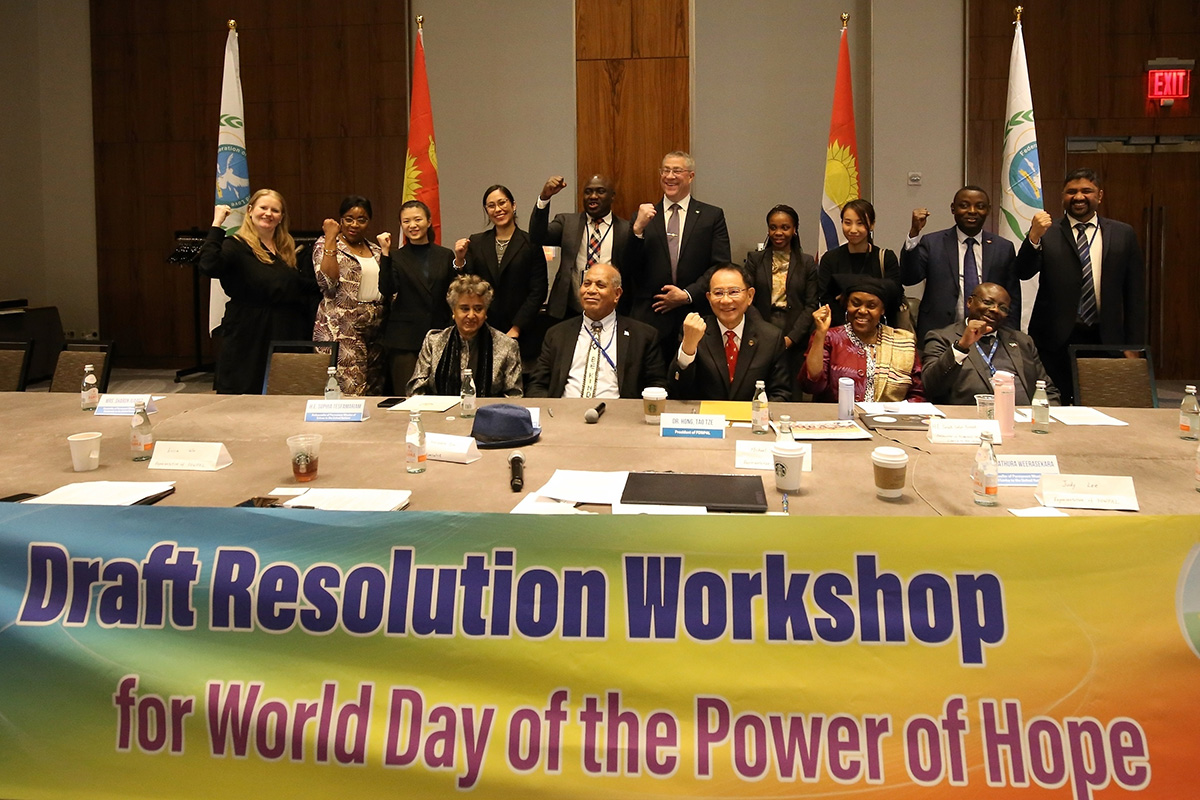
Puppet Show I International Friendship Day 2020