Iran Negotiates with Eight Countries to Establish Strait of Hormuz Transit Permit System
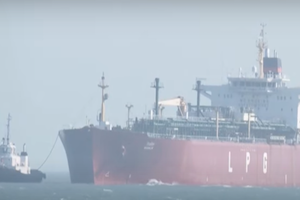
According to CNN on the 17th, citing sources from Iran’s security authorities, Iran is secretly negotiating with eight non–Middle Eastern countries, proposing to allow oil tankers safe passage through the Strait of Hormuz under specific conditions. The core requirement is that all related oil trade must be settled in Chinese yuan (RMB).
While maintaining a blockade, Iran aims to establish a “permit-based transit” management system to ease energy pressures on certain allies and further promote the yuan’s role in the international energy market.
The identities of the eight countries have not been disclosed. However, vessels from Pakistan, India, and Turkey have reportedly already passed through the strait under Iranian government monitoring and authorization. These ships traveled along special routes close to Iran’s coastline rather than the traditional international shipping lanes.
Global markets are closely watching whether this “permit-based transit” negotiation could become a breakthrough in alleviating the global energy crisis, or evolve into a more complex competition involving currency and diplomacy.
Meanwhile, the United States has called on its allies to form a “Convoy Coalition.” However, so far only a limited number of allies have expressed support, mostly with conditions attached.
Although Iran’s military capabilities are inferior to those of the United States and Israel, it is leveraging its geographic position to control a critical chokepoint in global energy transportation as a bargaining tool to maximize its interests. Since the 28th of last month, about 20% of global oil and natural gas trade has been disrupted, causing global oil prices to surge, with Brent crude briefly exceeding $126 per barrel.
Now, by proposing settlement in yuan, Iran appears to be attempting to draw China closer. However, escalating geopolitical tensions could expose participating countries to potential retaliation from the United States and Israel. Iranian officials emphasized that as long as U.S. or Israeli military forces remain present in the strait, the possibility of fully reopening it remains extremely low.
- 105 reads
Human Rights
Fostering a More Humane World: The 28th Eurasian Economic Summi

Conscience, Hope, and Action: Keys to Global Peace and Sustainability

Puppet Show I International Friendship Day 2020