US-Israel Airstrikes on Iran Kill Supreme Leader Khamenei
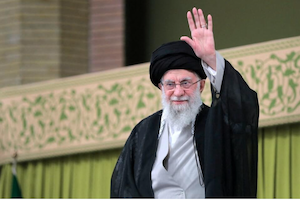
Amid rapidly deteriorating relations between Iran and the United States, a dramatic development has shaken the Middle East. The Iranian government said today (1st) through state media that Supreme Leader Ayatollah Ali Khamenei was killed in recent joint airstrikes carried out by the United States and Israel. The news sent shockwaves through global political circles and energy markets.
According to Iranian officials, U.S. and Israeli warplanes launched precision strikes late at night on multiple military and security facilities in and around Tehran, targeting senior commanders of the Islamic Revolutionary Guard Corps and key command centers. Tehran accused Washington and Tel Aviv of “blatantly violating sovereignty” and vowed “severe retaliation.” Footage aired on state television showed large crowds taking to the streets, chanting anti-U.S. and anti-Israel slogans.
Washington has not directly confirmed Khamenei’s death, but the White House said the military operation was intended to “reduce Iran’s direct threats to regional security.” The Israeli government issued a brief statement saying the action was aimed at preventing Iran from advancing its military capabilities and ensuring national security.
Since assuming the role of Supreme Leader in 1989, Khamenei had overseen Iran’s domestic and foreign policies, including its nuclear program, and was widely regarded as the central figure of the Islamic Republic’s political system. His sudden death could trigger significant shifts in Iran’s power structure. Under the constitution, the Assembly of Experts is responsible for selecting a new Supreme Leader, but amid heightened tensions, the movements of the Revolutionary Guard and hardline factions are being closely watched.
The international community responded swiftly. The United Nations Secretary-General called on all sides to exercise restraint and avoid further escalation. The European Union and several Middle Eastern countries convened emergency security meetings to assess the situation. International oil prices surged more than 8 percent during Asian trading, amid concerns over the safety of shipping through the Strait of Hormuz and potential disruptions to energy supplies.
Analysts warn that if Iran proceeds with retaliatory measures, the conflict could spread to Lebanon, Syria, and even the broader Persian Gulf region, fueling wider geopolitical confrontation. The Middle East now stands at a critical juncture, with developments in the coming days likely to have far-reaching implications for global security and the world economy.
- 138 reads
Human Rights

Fostering a More Humane World: The 28th Eurasian Economic Summi

Conscience, Hope, and Action: Keys to Global Peace and Sustainability

Puppet Show I International Friendship Day 2020