Sanae Takaichi Faces Three Major Challenges After Winning LDP Leadership; Japanese Media Warn of a “Short-Lived Administration”
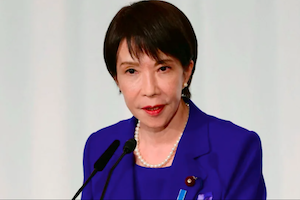
Japanese media reported on Saturday (October 4) that the Liberal Democratic Party (LDP) has elected its first female president, Sanae Takaichi, who is expected to become Japan’s first female prime minister by mid-October. While the public holds high expectations for her leadership, analysts warn that Takaichi will face numerous challenges, including restructuring party factions, building cooperation with opposition parties, and restoring public trust in the LDP.
According to Yomiuri Shimbun, Takaichi defeated the highly popular Minister of Agriculture, Forestry and Fisheries, Shinjiro Koizumi, to secure the LDP’s top post — a historic milestone in Japanese politics. However, after consecutive defeats in the House of Representatives, the Tokyo Metropolitan Assembly, and the House of Councillors elections, the party’s morale has plummeted. Reuniting the LDP through strategic personnel appointments will be Takaichi’s first major task.
Key figures under consideration for major party and cabinet positions include Shinjiro Koizumi, Finance Minister Katsunobu Kato, Aso faction’s Policy Council Chairperson Shunichi Suzuki, and former Policy Research Council Chairperson Koichi Hagiuda as potential candidates for LDP Secretary-General. Possible contenders for Policy Research Council Chairperson include former Economic Security Minister Takayuki Kobayashi and Election Strategy Committee Chairperson Seiji Kihara, a close ally of former Prime Minister Fumio Kishida. Since the LDP currently lacks a majority in both houses of the Diet, collaboration with opposition parties will be crucial. The role of Diet Affairs Committee Chairperson is expected to be pivotal, with former Deputy Finance Minister Nobuhide Mikazuki and current Secretary-General Hiroshi Moriyama among the likely candidates.
Takaichi must also confront the lingering impact of the “dark money” scandal that erupted in late 2023, which led to the dissolution of major party factions. During the leadership race, she received strong backing from the former Abe faction, but if she appoints lawmakers previously entangled in the scandal, public backlash could quickly resurface.
Although the LDP’s election of a female leader has been hailed as a breath of fresh air, real power within the party remains concentrated among veteran heavyweights — former prime ministers Taro Aso, Fumio Kishida, and Yoshihide Suga. Analysts note that Takaichi’s victory was largely secured thanks to the Aso faction’s support in the second round of voting. If she relies too heavily on these party elders and fails to pursue bold reforms, public trust in the LDP may erode further.
On foreign policy, Takaichi’s reputation as a hardline conservative could strain Japan’s relations with China and South Korea and potentially alienate the LDP’s coalition partner, Komeito. Observers caution that if she cannot strike a balance between domestic reform and diplomatic pragmatism, her administration may follow the path of previous short-lived governments.
- 215 reads
Human Rights

Fostering a More Humane World: The 28th Eurasian Economic Summi

Conscience, Hope, and Action: Keys to Global Peace and Sustainability


Puppet Show I International Friendship Day 2020