SpaceX Wins U.S. Approval to Deploy One Million Satellites for Space-Based AI Data Centers
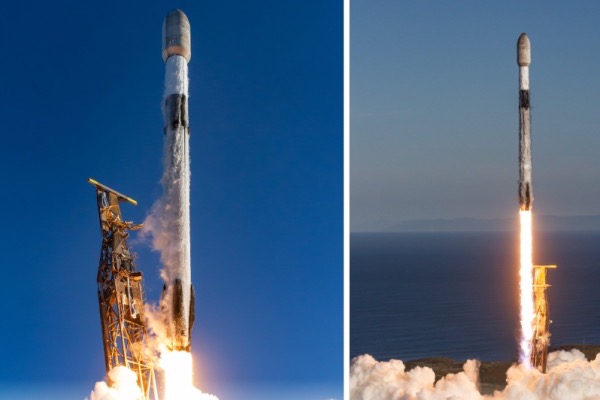
The U.S. Federal Communications Commission (FCC) on the 25th approved Space Exploration Technologies Corp. (SpaceX) to deploy up to one million satellites in orbit as part of its planned space computing project, named “Starmind.” This marks the first time the United States has granted approval for such a large-scale space-based data center network, signaling the expansion of artificial intelligence (AI) computing infrastructure into space.
Under the plan, the satellites will be equipped with computing hardware powered by solar energy, enabling them to process large volumes of data in orbit before transmitting the information back to Earth through satellite communication networks. SpaceX believes that the relatively consistent sunlight available in space could reduce the reliance on electricity and cooling systems required by traditional data centers, potentially lowering operating costs and environmental impact.
In terms of technical architecture, Starmind is expected to operate in orbits approximately 500 to 1,002 kilometers above Earth’s surface. The satellites will primarily exchange information through laser-based optical communications, while leveraging the existing Starlink system to transmit data to ground stations. In addition, SpaceX has partnered with Nvidia to incorporate its next-generation Vera Rubin processors, designed for space environments. Founder Elon Musk has also stated that he hopes to begin the first launches in the fourth quarter of 2027.
Under the conditions set by the FCC, SpaceX must begin deployment by November 2033, complete the deployment of at least 100,000 satellites by November 2035, and reach half of the approved total by November 2038. The authorization will remain valid through 2040.
However, the project still faces significant challenges. Amazon’s satellite division, Kuiper, Viasat, and the American Astronomical Society have all raised objections to the application, citing concerns over satellite collisions, orbital debris, and radio interference. The FCC has also yet to approve certain aspects of the deorbiting plans for satellites operating in higher orbits. As global demand for AI computing power continues to surge, whether space-based data centers can overcome technological and cost-related challenges remains to be seen.
- 3 reads
Human Rights

Fostering a More Humane World: The 28th Eurasian Economic Summi

Conscience, Hope, and Action: Keys to Global Peace and Sustainability


Puppet Show I International Friendship Day 2020