South Korea’s Nuri Rocket Successfully Launches for Fifth Time, Demonstrating Independent Multi-Satellite Deployment Capability
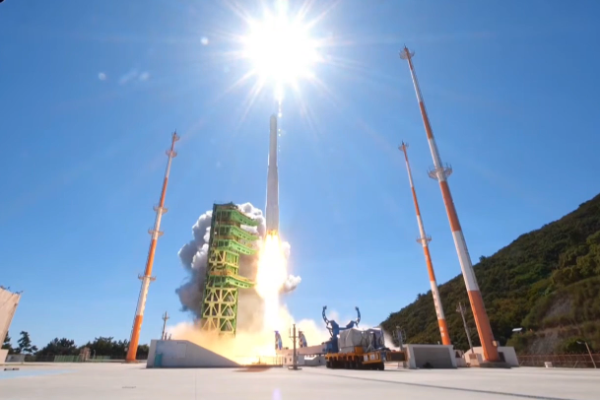
South Korea’s domestically developed Nuri launch vehicle lifted off again on the 7th, completing its fifth launch mission. After taking off from the Naro Space Center in Goheung County, South Jeolla Province, the rocket sequentially completed the separation of its propulsion stages and fairing before deploying multiple satellites into their designated orbits. The Korea AeroSpace Administration (KASA) said preliminary flight data showed that the overall procedures proceeded as expected, and some of the satellites have already begun transmitting signals.
Nuri launched at 12:25 p.m. local time. The mission carried five microsatellites and 10 CubeSats, making it one of the rocket’s largest multi-satellite deployment missions to date. During the flight, each stage’s engines operated according to plan. The main flight phase was completed approximately 12 minutes after liftoff, after which the rocket reached the target region at an altitude of about 570 kilometers to deploy the satellites. Nine of the CubeSats were successfully separated from the rocket, while one failed to complete deployment.
South Korean ground teams subsequently began checking the status of the satellites. At around 1 p.m., one microsatellite became the first to establish contact with the King Sejong Station in Antarctica, while the remaining satellites gradually established communications through ground stations in South Korea and overseas. Relevant authorities are continuing to analyze telemetry data to further confirm the results of each mission objective.
The successful launch is significant for South Korea’s space development. Nuri is the country’s first launch vehicle developed entirely with domestic technology. After early launch failures, the rocket has gradually achieved a higher level of mission success in recent years. The fifth mission builds on the success of the previous launch, allowing South Korea to continue accumulating experience in multi-satellite deployment and independent space transportation.
KASA said the mission also expanded the participation of private-sector companies, with the goal of helping industry gradually build experience in rocket operations and launch services and laying the foundation for a future commercial launch system led by private companies.
South Korea has already begun preparations for its next mission, which is targeted for launch in the second half of 2027, with plans to maintain a regular launch schedule in the future. As its rocket technology continues to mature, South Korea is moving toward establishing independent space transportation capabilities and expanding the scale of its space industry.
- 6 reads
Human Rights
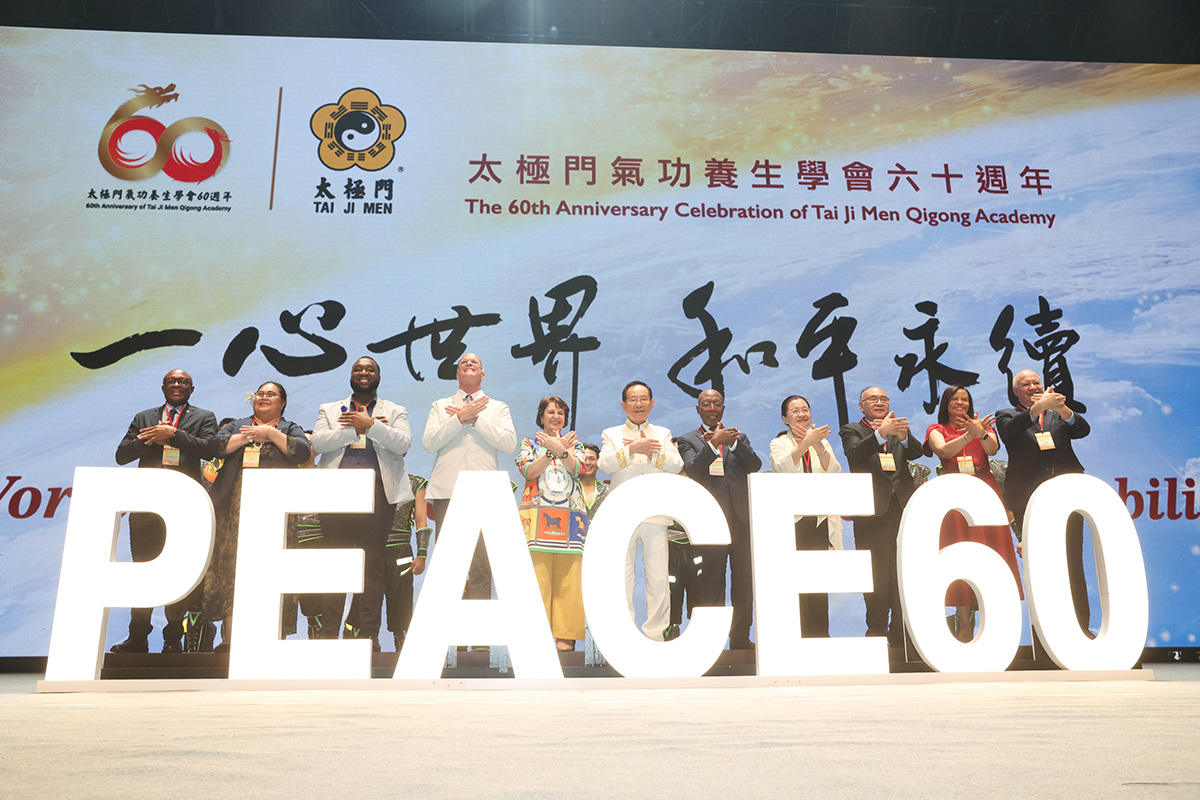
Fostering a More Humane World: The 28th Eurasian Economic Summi
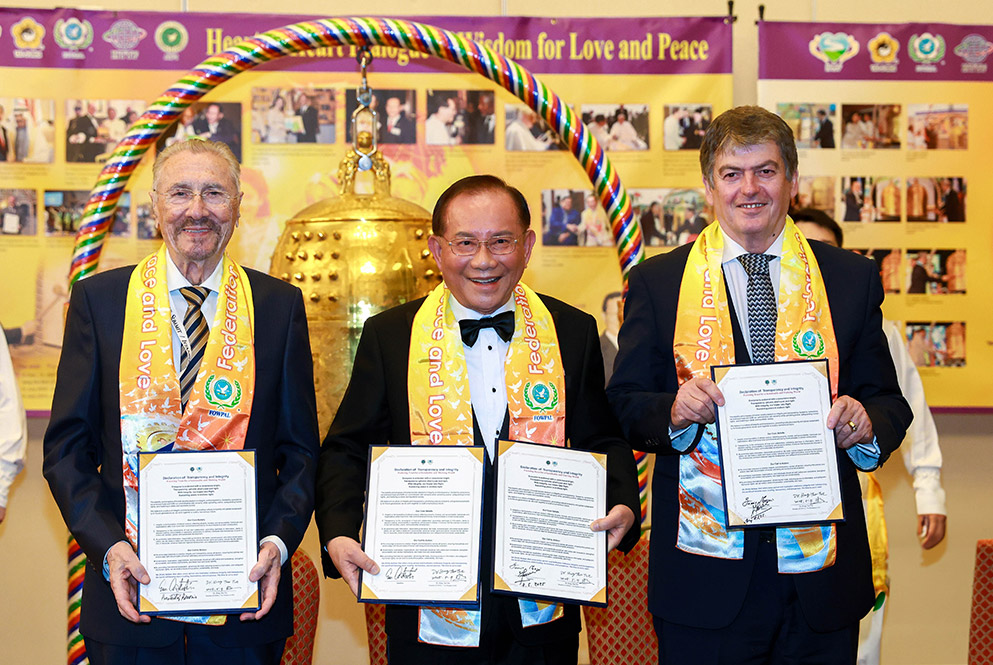
Conscience, Hope, and Action: Keys to Global Peace and Sustainability

Puppet Show I International Friendship Day 2020