Zimbabwe Discovers Its Fifth Dinosaur Species: New Species Dates Back 210 Million Years
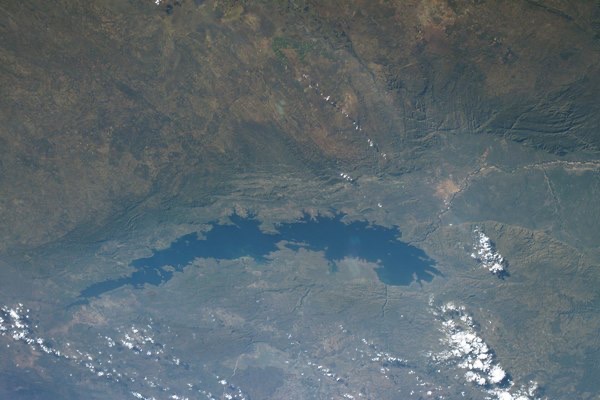
An international team of researchers has announced the discovery of a new dinosaur species dating back approximately 210 million years near Lake Kariba in northern Zimbabwe. The dinosaur has been named Musangomatusadonaensis, becoming the fifth confirmed dinosaur species identified in Zimbabwe. The study was published in the Journal of Systematic Palaeontology, providing new insights into the evolution and distribution of dinosaurs during the Late Triassic.
The fossils were unearthed in 2018 and are among the best-preserved dinosaur remains from the same period found in the region, including vertebrae, ribs, and limb bones. Researchers determined that the dinosaur lived around 210 million years ago, when dinosaurs were beginning to spread across the globe but had not yet become the dominant land animals.
Musangomatusadonaensis belongs to the early sauropodomorph group, which is evolutionarily related to the giant long-necked herbivorous dinosaurs that appeared later. However, it was relatively small, measuring about 4.5 meters in length and weighing approximately 222 kilograms, roughly the size of an adult pig. The name “Musango” comes from the Shona language and means “dweller of the bush.”
Based on an analysis of its bones, the research team estimated that the dinosaur was about eight years old when it died and was nearly fully grown. It had also survived a serious injury or infection before its death. Since no skull fossils have been found, its diet remains uncertain. Experts believe it may have been herbivorous or omnivorous, with a habitat likely associated with vegetation along rivers and valleys.
Paul Barrett, a researcher at the Natural History Museum in London, noted that scientists previously believed dinosaur populations in southern Africa during that period were relatively uniform. However, the newly discovered fossils suggest that multiple regional ecosystems may have existed, shaped by environmental and geographical conditions, allowing different dinosaur species to evolve in different areas.
- 75 reads
Human Rights

Fostering a More Humane World: The 28th Eurasian Economic Summi

Conscience, Hope, and Action: Keys to Global Peace and Sustainability
Puppet Show I International Friendship Day 2020