Japanese Research Breakthrough: Signs of an Atmosphere-Like Layer Detected on a Trans-Neptunian Object
A breakthrough observation has once again emerged from the outer reaches of the solar system. A Japanese research team recently analyzed a small celestial body located beyond the orbit of Neptune and unexpectedly detected signs that it may be surrounded by an extremely tenuous gaseous structure. The object, designated “(612533) 2002 XV93,” had long been regarded as a cold and inactive icy-rock body, but it is now suspected of possessing an atmosphere-like environment, prompting scientists to reconsider existing models of the evolution of small outer solar system bodies.
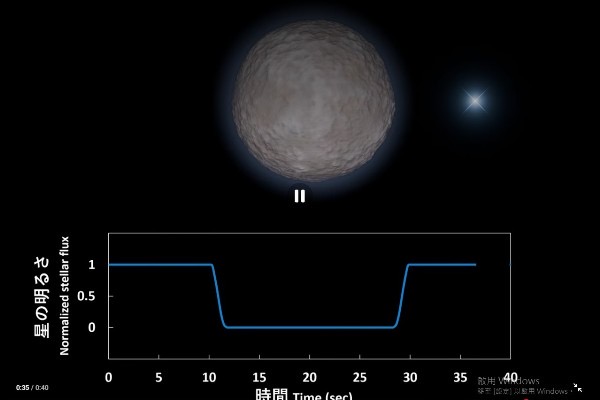
According to a new study published in Nature Astronomy, researchers observed a “stellar occultation” event and found that the background starlight did not disappear abruptly. Instead, the light gradually dimmed. Scientists believe this type of brightness variation usually indicates that the light passed through a thin layer of gas, leading them to infer the presence of an extremely faint atmosphere surrounding “(612533) 2002 XV93.” The object has an estimated diameter of about 500 kilometers and is located more than 5.5 billion kilometers from the Sun, farther away than Pluto.
The research team from the National Astronomical Observatory of Japan explained that astronomers had generally believed that small and extremely cold Trans-Neptunian Objects could not retain gaseous envelopes over long periods. However, the latest observations appear inconsistent with current theories. Estimates suggest that the atmospheric density may be only a few millionths that of Earth’s atmosphere, with possible components including methane, nitrogen, or carbon monoxide.
As for the origin of the gas, scientists have proposed two primary hypotheses. The first suggests that low-temperature geological activity may still exist within the object, such as eruptions from a “cryovolcano,” releasing gases from deep beneath the surface. The second possibility involves a collision event, in which a comet-like object may have recently struck the body at high speed, instantly vaporizing frozen material and creating a temporary atmosphere. If the latter explanation is correct, the gaseous layer may gradually dissipate over time.
The research team noted that these findings indicate the outer solar system may not be as completely static as previously imagined. Some small celestial bodies could still retain active and evolving processes. Continued observations using occultation measurements, space telescopes, and spectroscopic analysis may help determine whether the atmosphere undergoes seasonal variations and further improve understanding of the primordial remnants left over from the formation of the solar system.
- 185 reads
Human Rights

Fostering a More Humane World: The 28th Eurasian Economic Summi

Conscience, Hope, and Action: Keys to Global Peace and Sustainability


Puppet Show I International Friendship Day 2020