NASA to Cancel Lunar Gateway Program and Move Ahead with Building a Lunar Base First
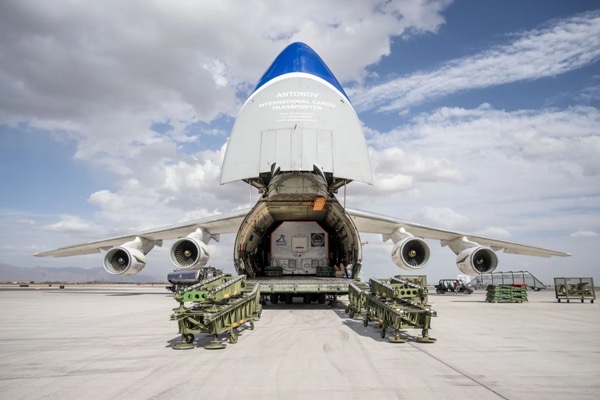
NASA Administrator Jared Isaacman announced that over the next seven years, 20 billion US dollars, approximately 639.8 billion New Taiwan dollars, will be invested to build a lunar surface base. The goal is to establish a permanent presence on the Moon as early as possible, send astronauts back ahead of China in the space race, and continue to secure the United States’ advantage in space.
According to foreign media reports, the new blueprint announced by NASA focuses funding on infrastructure on the lunar surface, including long term habitation facilities, scientific laboratories, and manufacturing capabilities. Jared Isaacman stated that this will be part of NASA long term Moon to Mars strategy. He also indicated that by the end of 2028, Space Reactor 1 Freedom is expected to be launched to Mars to further validate nuclear electric propulsion technology.
The lunar base plan by NASA will be carried out in three phases. The first phase, a testing period, is expected to include 21 landings by 2028, delivering four metric tons of payload to the Moon, including the VIPER rover and four lunar drones. The second phase, from 2029 to 2032, will focus on building infrastructure and establishing logistics and transportation systems. The final phase aims to gradually enable long duration stays, transitioning human activity from periodic exploration to the establishment of a permanent lunar base.
Jared Isaacman emphasized that the success of the program will depend on close cooperation with partners across various industries. NASA will no longer proceed with the Lunar Gateway project and will instead concentrate efforts on the lunar surface. The Lunar Gateway was originally planned as a space station in lunar orbit to serve as a staging point before astronauts travel to the Moon.
With this shift toward building a lunar base, the roles of partners that had committed to the Artemis program, including Japan, Canada, and the European Space Agency, will be adjusted. Although partners have expressed disappointment over the changes, they have agreed to revise their plans to support the new lunar base initiative.
- 144 reads
Human Rights

Fostering a More Humane World: The 28th Eurasian Economic Summi

Conscience, Hope, and Action: Keys to Global Peace and Sustainability
Puppet Show I International Friendship Day 2020