Science
HOPS 383: X-rays From a Newborn Star Hint at Our Sun's Earliest Days

X-ray: NASA/CXC/Aix-Marseille University/N. Grosso et al.; Illustration: NASA/CXC/M. Weiss
- Read more
- 460 reads
A Cosmic Baby Is Discovered, and It's Brilliant

This illustration shows magnetic field lines protruding from a highly magnetic neutron star, or a dense nugget left over after a star goes supernova and explodes. Known as magnetars, these objects generate bright bursts of light that might be powered by their strong magnetic fields.
- Read more
- 442 reads

Future Space Travelers May Follow Cosmic Lighthouses

An image of NICER on the exterior of the space station with one of the station’s solar panels in the background.
- Read more
- 426 reads
Solar Orbiter makes first close approach to the Sun

Solar Orbiter reaches first perihelion
- Read more
- 407 reads
ExoMars spots unique green glow at the Red Planet

ExoMars Trace Gas orbiter spots daylight green oxygen at Mars
- Read more
- 404 reads
NASA's Cold Atom Lab Takes One Giant Leap for Quantum Science

This animated video shows six finely tuned lasers used inside NASA's Cold Atom Lab to slow down atoms, lowering their temperature. This is step one in a three-step cooling process.
- Read more
- 414 reads
Tiny sand grains trigger massive glacial surges

Tiny sand grains trigger massive glacial surges
- Read more
- 436 reads
Could the Answer to Groundwater Resources Come From High in the Sky?

A new technique developed by Berkeley Lab researchers pairs high-resolution images derived by satellite with advanced computer modeling to estimate aquifer volume change from observed ground deformation. The method could be particularly helpful to managing groundwater resources in drought-prone agricultural regions such as California’s Central Valley.
- Read more
- 423 reads

Human Rights
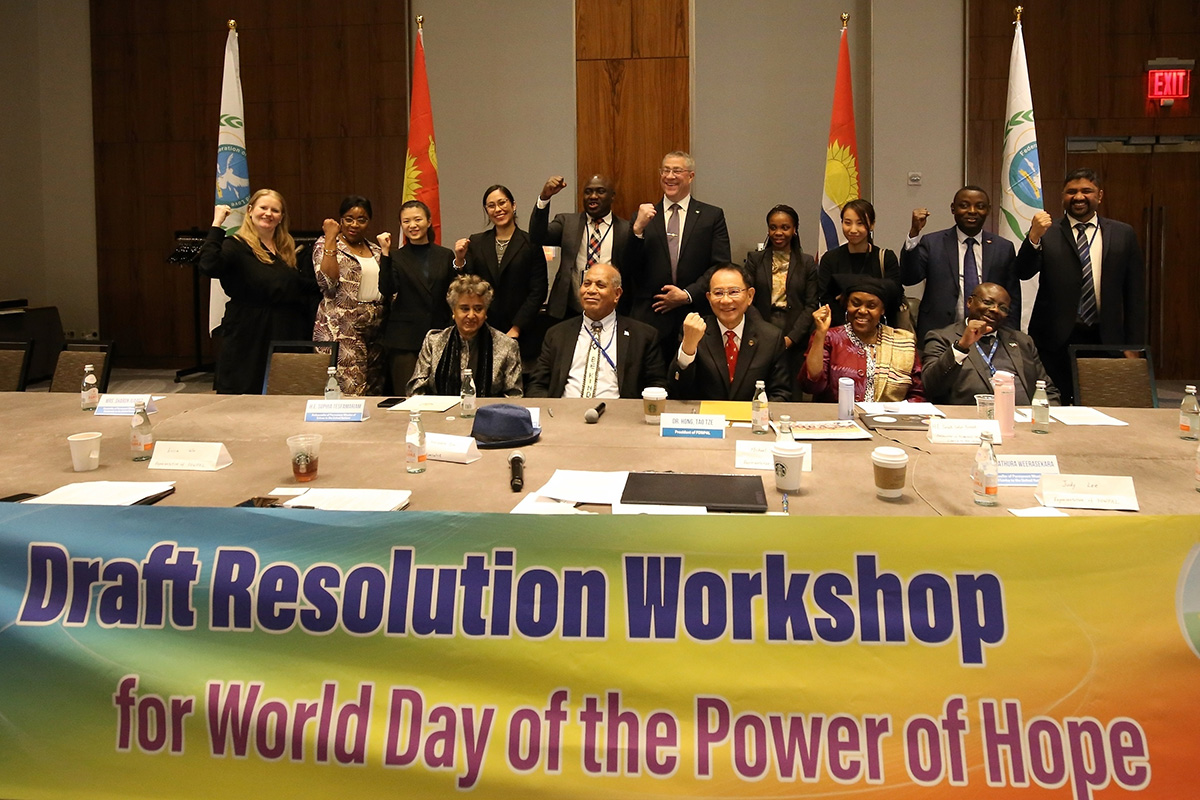
Fostering a More Humane World: The 28th Eurasian Economic Summi

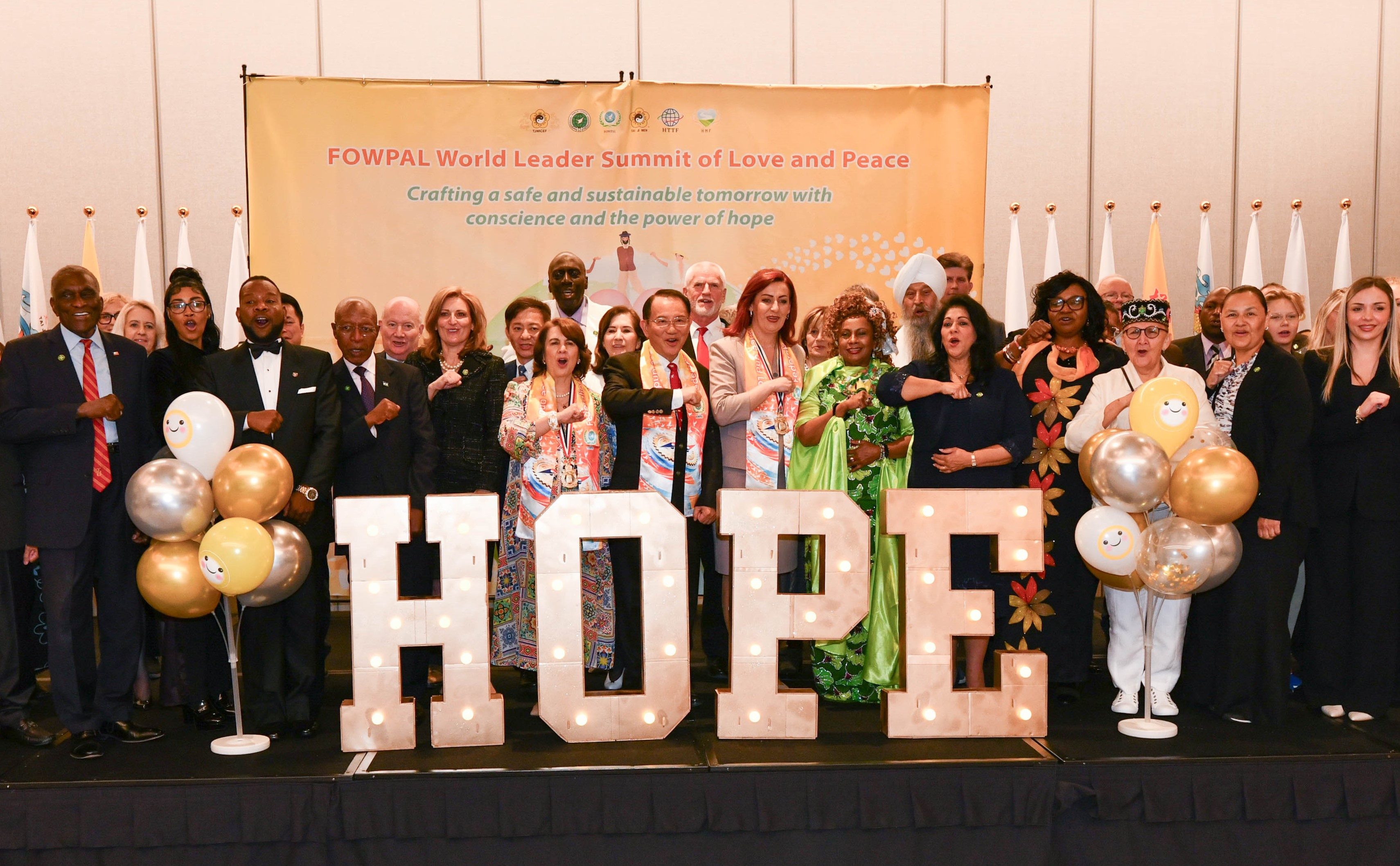
Conscience, Hope, and Action: Keys to Global Peace and Sustainability

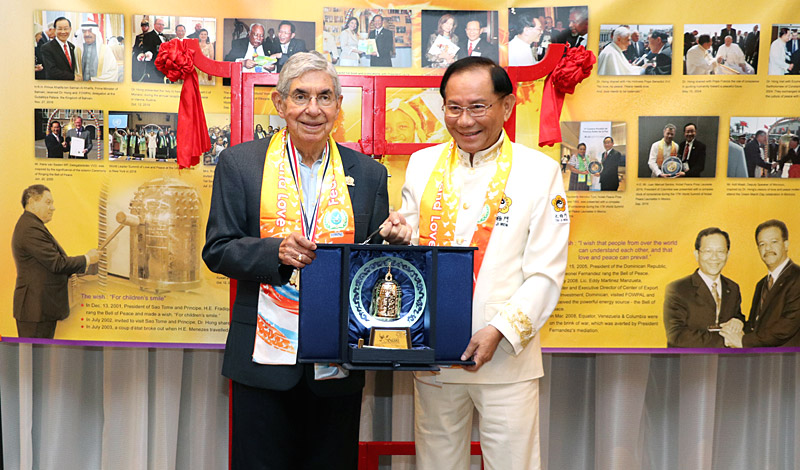
Ringing FOWPAL’s Peace Bell for the World:Nobel Peace Prize Laureates’ Visions and Actions
Protecting the World’s Cultural Diversity for a Sustainable Future

Puppet Show I International Friendship Day 2020