Science
New prospects for universal memory -- high speed of RAM and the capacity of flash: Thin films created at MIPT could be the basis for future development of ReRAM
Researchers from MIPT's Center of Shared Research Facilities have found a way to control oxygen concentration in tantalum oxide films produced by atomic layer deposition. These thin films could be the basis for creating new forms of nonvolatile memory. The paper was published in the journal ACS Applied Materials & Interfaces, which has an impact factor of 7.14.
Because data storage and processing solutions are so central to modern technology, many research teams and companies are pursuing new types of computer memory. One of their major goals is to develop universal memory -- a storage medium that would combine the high speed of RAM with nonvolatility of a flash drive.
- Read more
- 474 reads

Icy Moons, Galaxy Clusters, and Distant Worlds Among Selected Targets for James Webb Space Telescope

- Read more
- 573 reads

Hubble Astronomers Develop a New Use for a Century-Old Relativity Experiment to Measure a White Dwarf’s Mass

- Read more
- 583 reads

Mini-Flares Potentially Jeopardize Habitability of Planets Circling Red Dwarf Stars

- Read more
- 416 reads
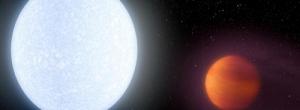
Hubble's Tale of Two Exoplanets: Nature vs. Nurture
Atmospheres of Two Hot Jupiters: Cloudy and Clear

- Read more
- 493 reads
Graphene and quantum dots put in motion a CMOS-integrated camera that can see the invisible
Over the past 40 years, microelectronics have advanced by leaps and bounds thanks to silicon and CMOS (Complementary metal-oxide semiconductors) technology, making possible computing, smartphones, compact and low-cost digital cameras, as well as most of the electronic gadgets we rely on today.
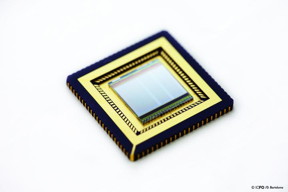
Graphene-quantum dots-CMOS-based sensor for ultraviolet, visible and infrared.
- Read more
- 510 reads
Human Rights
Visited:28,908,440
Fostering a More Humane World: The 28th Eurasian Economic Summi

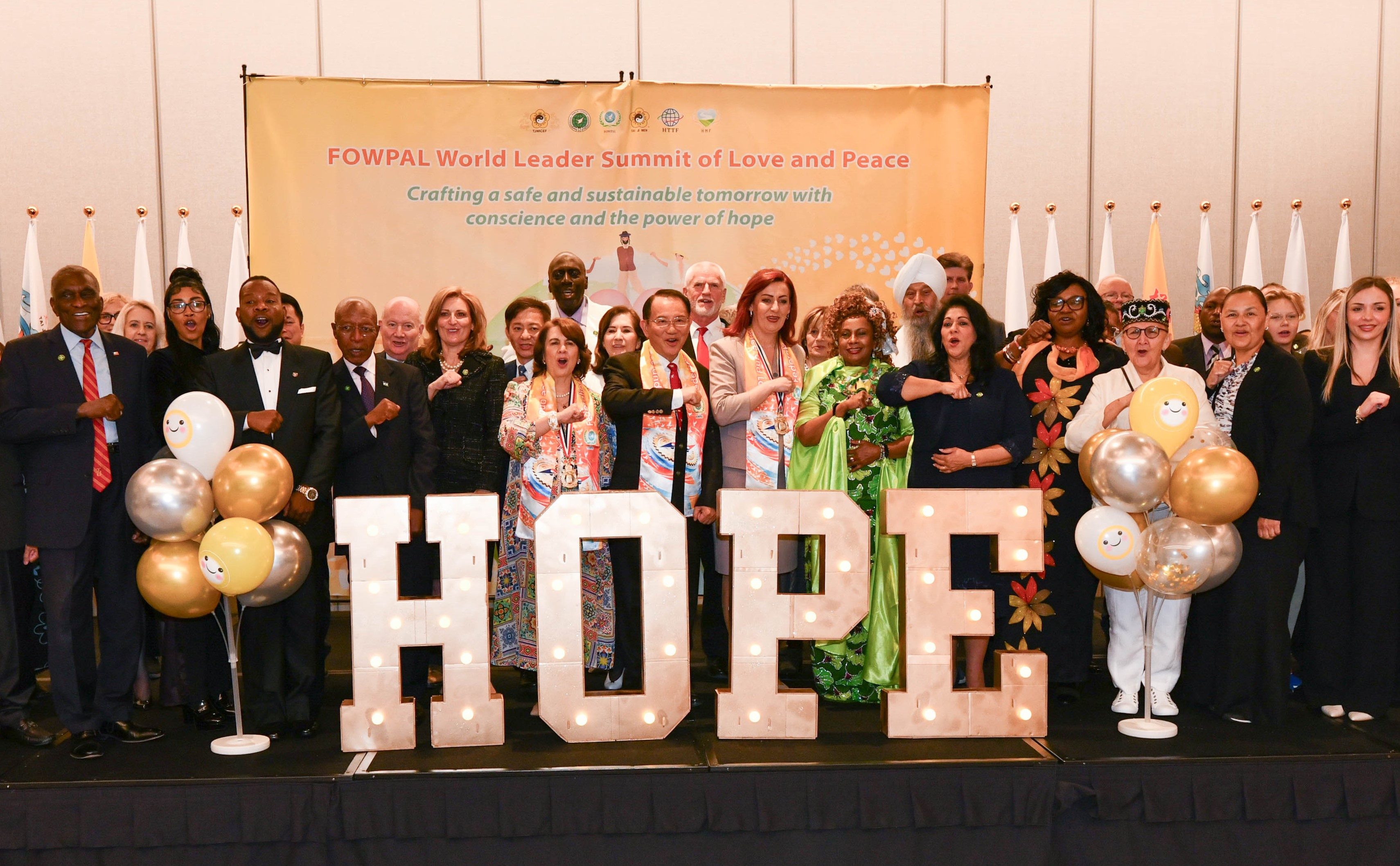
Conscience, Hope, and Action: Keys to Global Peace and Sustainability
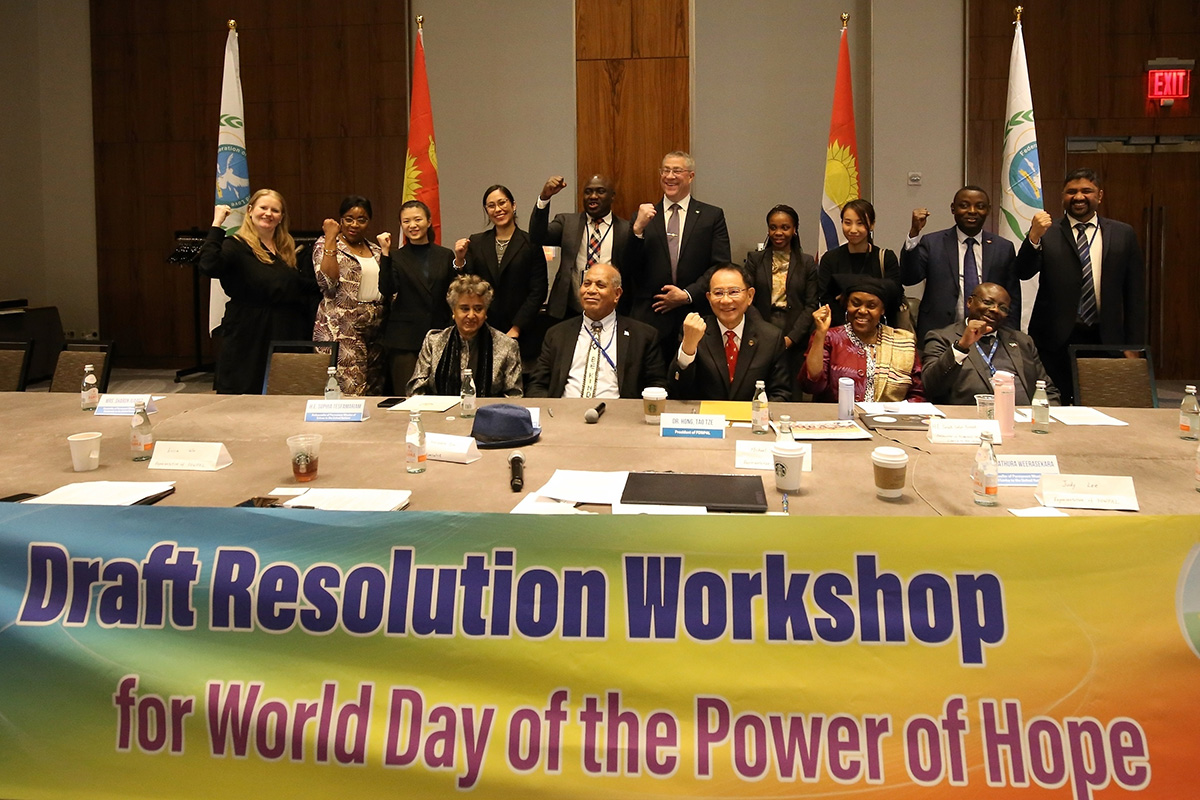
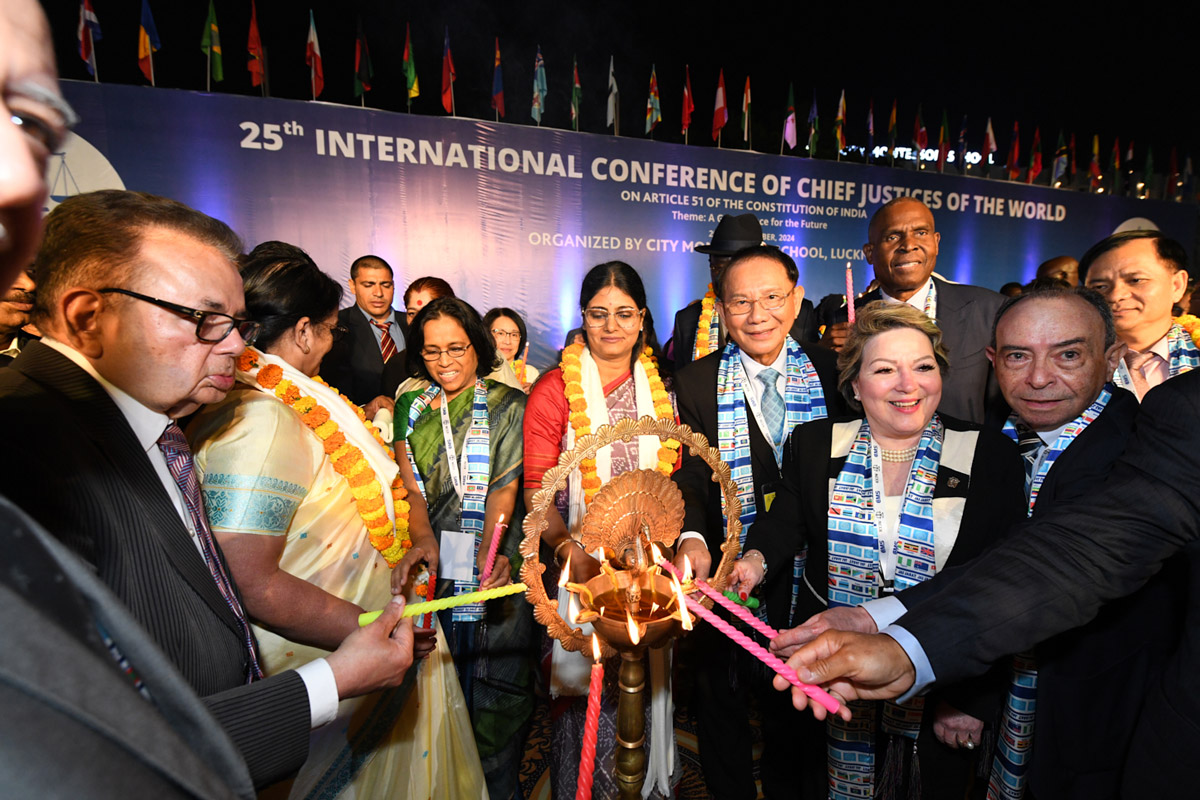
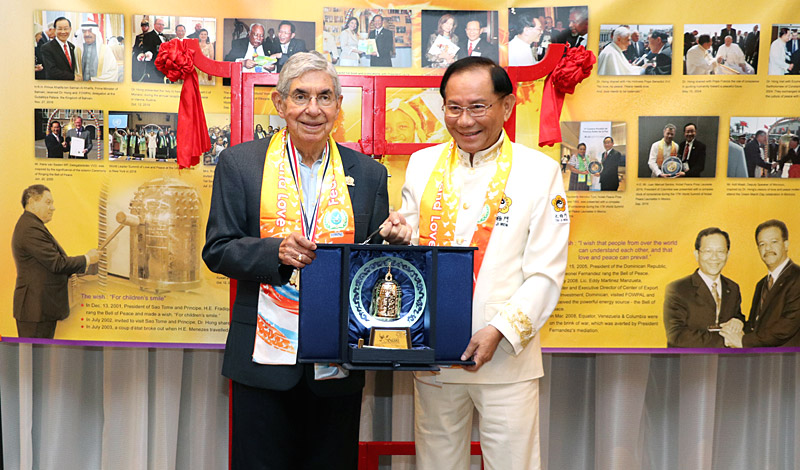
Ringing FOWPAL’s Peace Bell for the World:Nobel Peace Prize Laureates’ Visions and Actions
Protecting the World’s Cultural Diversity for a Sustainable Future

Puppet Show I International Friendship Day 2020