Pakistan Mediation Failing U.S. Weighs Ground Offensive
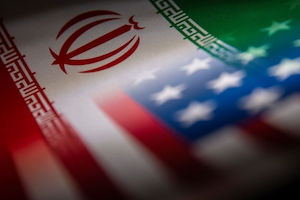
As the Middle East war enters its 29th day, reports indicate that the United States military is preparing for a potential ground operation in Iran lasting several weeks, including raids on Kharg Island and coastal areas near the Strait of Hormuz. However, President Donald Trump has not yet approved any deployment.
Thousands of U.S. troops and Marines have been arriving in the Middle East, with the Pentagon preparing for a multi-week ground campaign in Iran. The planned operations would focus on targeted strikes against key oil ports rather than a full-scale invasion. If Trump ultimately authorizes ground action, it would mark a significant escalation and push the conflict into a dangerous new phase.
Over the past month, White House discussions have centered on seizing Kharg Island—an oil export hub in the Persian Gulf—and launching raids on coastal areas near the Strait of Hormuz to eliminate weapons systems that could threaten commercial and military vessels. According to anonymous officials, any potential ground operation would not constitute a “full invasion,” but instead involve precision raids carried out by a mix of special forces and conventional infantry units.
Despite escalating tensions on the front lines and 13 U.S. military deaths in the past month, domestic polls show that as many as 62% of Americans strongly oppose sending ground troops into Iran. Military expert Michael Eisenstadt also warned that capturing Kharg Island would be highly risky, noting that if Iran’s Islamic Revolutionary Guard Corps (IRGC) uses critical oil infrastructure as cover, it could draw U.S. forces into a prolonged and difficult conflict.
Reports indicate that the U.S. has already deployed thousands of Marines to the Middle East, with the first personnel from two units arriving on the 27th aboard amphibious assault ships.
Meanwhile, preliminary discussions among Pakistan, Saudi Arabia, Turkey, and Egypt have focused on reopening the Strait of Hormuz to shipping. Since the outbreak of war between the United States, Israel, and Iran, Tehran’s effective blockade of oil and natural gas transit through the strait has had a major impact on the global economy. Analysts estimate that approximately 4.5 to 5 million barrels of oil per day are currently affected, and warn that the supply shortfall could double by mid-April if the Strait of Hormuz is not reopened.
- 106 reads
Human Rights

Fostering a More Humane World: The 28th Eurasian Economic Summi

Conscience, Hope, and Action: Keys to Global Peace and Sustainability

Puppet Show I International Friendship Day 2020