U.S. Supreme Court to Rule on Reciprocal Tariffs; Trump Says Backup Plans Are Ready
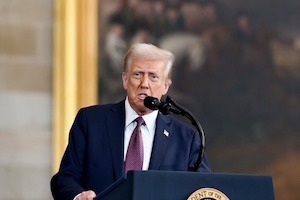
The U.S. Supreme Court is expected to rule on the legality of the Trump administration’s use of the 1977 “International Emergency Economic Powers Act” (IEEPA) to impose global reciprocal tariffs. Although the outcome of the judicial review has not yet been announced, U.S. Trade Representative Jamieson Greer said in an interview with “The New York Times” that even if the Court ultimately finds the current tariff measures unlawful, the administration has long prepared contingency plans. He stressed that alternative measures would be launched “immediately the next day” after the ruling, reimposing tariffs under other legal authorities to ensure that President Trump’s trade policy objectives continue to move forward.
At the heart of the judicial review is whether Trump can bypass Congress and unilaterally invoke the emergency powers granted by IEEPA to levy broad-based tariffs on global trading partners. The Supreme Court is expected to issue its decision as early as January 20. Greer emphasized that multiple legal options have already been presented to Trump precisely to prevent trade policy from being disrupted by a court ruling. Even if the Supreme Court rejects the current legal basis, the White House could quickly pivot to other relevant statutes, such as the Trade Act, to maintain similar tariff pressure worldwide and ensure policy continuity.
The direction of U.S. tariff policy has direct implications for Taiwan’s export-oriented industries, particularly core supply chains such as semiconductors, electronics, and manufacturing. While markets had initially expected the judicial ruling to clearly delineate the limits of U.S. trade authority, the White House’s display of determination that “tariffs will not be withdrawn” means companies and investors must be prepared for scenarios in which policy could “switch rapidly” at any time. Although the Supreme Court released three rulings on the 20th (local time), none addressed Trump’s invocation of IEEPA. The final outcome of this legal battle remains under close scrutiny, and signals from Washington suggest that global trade tensions are unlikely to subside in the near term, requiring affected supply chains to make advance preparations.
- 157 reads
Human Rights
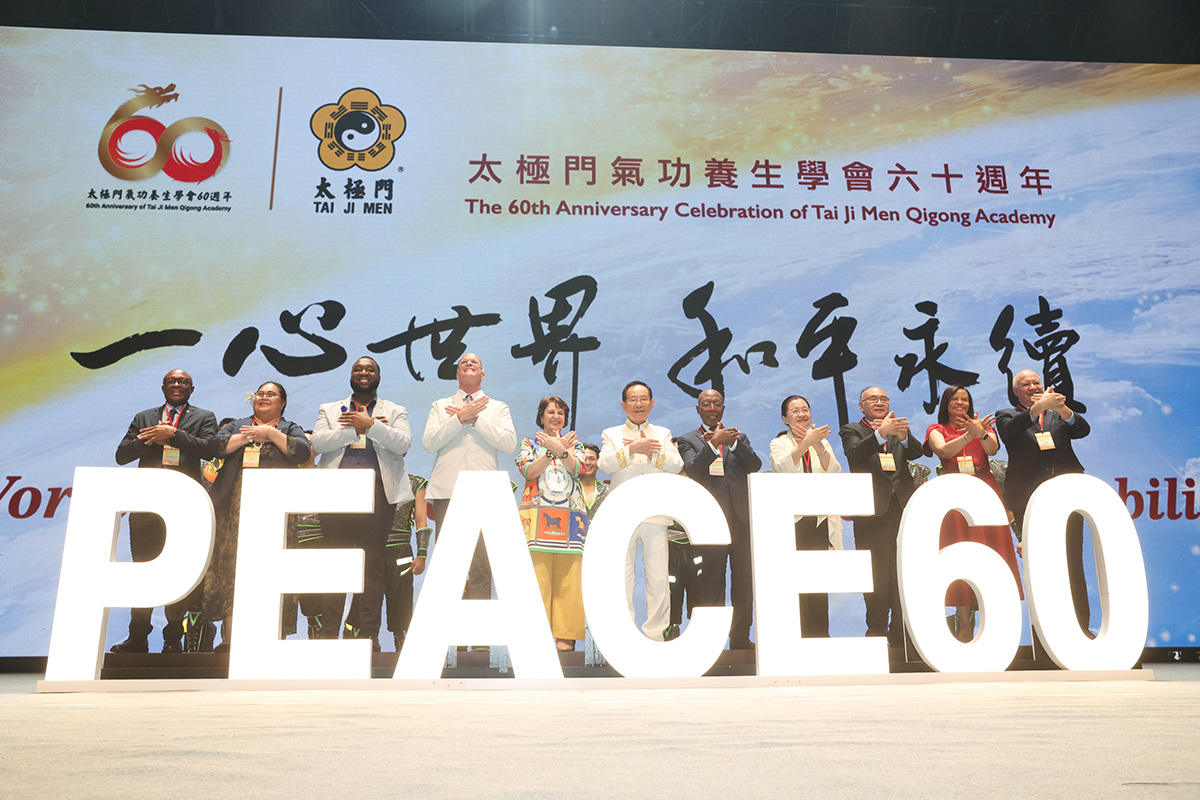
Fostering a More Humane World: The 28th Eurasian Economic Summi

Conscience, Hope, and Action: Keys to Global Peace and Sustainability

Puppet Show I International Friendship Day 2020