Kashiwazaki-Kariwa Restart Key to Japan's 2040 Energy Goals
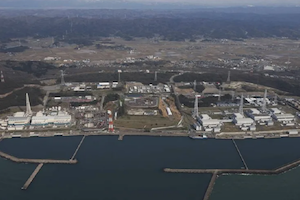
Japan’s Niigata Prefectural Assembly is expected to pass a resolution on Monday (the 22nd) approving the restart of the Kashiwazaki-Kariwa nuclear power plant, marking a major milestone in Japan’s renewed reliance on nuclear energy since the 2011 Fukushima disaster. Located about 220 kilometers northwest of Tokyo, the Kashiwazaki-Kariwa facility is one of the largest nuclear power plants in the world and is operated by Tokyo Electric Power Company (TEPCO). If approved, TEPCO could begin restarting the first of the plant’s seven reactors on January 20 next year. Japan’s Ministry of Economy, Trade and Industry estimates that bringing the reactor online would increase electricity supply to the Tokyo metropolitan area by about 2%.
However, local residents remain wary of the restart plan. A survey released by Niigata Prefecture in October showed that 60% of residents believe conditions are not yet ripe for a restart, while nearly 70% are concerned about TEPCO resuming nuclear operations. Anti-nuclear activist Ayako Oga said the trauma of the Fukushima disaster has yet to fade. “We have personally experienced the risks of a nuclear accident, and we cannot ignore them,” she said, adding that she will join other residents in protesting on the day of the assembly vote. Although Governor Hideyo Hanazumi has expressed support for restarting the plant, he has emphasized that he ultimately hopes Japan will reduce its reliance on nuclear power.
At the national policy level, Prime Minister Sanae Takaichi supports restarting nuclear plants to strengthen energy security and reduce dependence on imported fossil fuels. Japan spent as much as 10.7 trillion yen last year on imports of liquefied natural gas and coal, accounting for roughly one-tenth of its total import costs. As AI data centers drive up electricity demand, Japan has set a target of increasing the share of nuclear power to 20% by 2040. Consultancy Wood Mackenzie said that if the restart of Kashiwazaki-Kariwa gains public acceptance, it would become a key milestone in Japan’s transition toward a new energy mix.
- 154 reads
Human Rights
Fostering a More Humane World: The 28th Eurasian Economic Summi

Conscience, Hope, and Action: Keys to Global Peace and Sustainability

Puppet Show I International Friendship Day 2020