KAIROS No. 3 Mission Aborted: Japan’s Launch Plan Faces Another Challenge
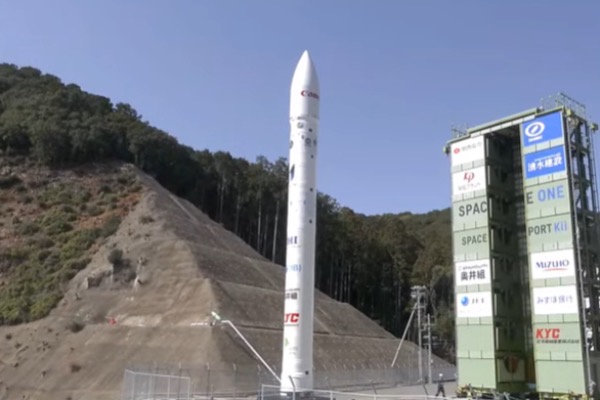
Japan’s commercial space company SPACE ONE conducted another rocket launch mission on March 5 (local time), but the attempt was unsuccessful once again. The company’s small launch vehicle “KAIROS” No. 3 was launched from the private launch site “Space Port Kii” in Kushimoto Town, Wakayama Prefecture, Japan. However, an issue occurred during the rocket’s ascent phase, and the control system activated the flight termination procedure, causing the mission to end prematurely. This marked the third unsuccessful attempt for the series.
According to Japanese media reports, the rocket lifted off at around 11:10 a.m. local time. The mission was originally planned to deliver several small satellites into their designated orbit. The initial phase of the flight appeared normal, but during the ascent the ground team determined that the mission could not safely continue. As a result, they activated the automatic safety mechanism to terminate the flight. Officials stated that this mechanism is part of the rocket’s autonomous flight safety system, designed to prevent potential danger to people and property on the ground if abnormalities occur during flight.
The mission carried five microsatellites, including one from Taiwan’s Taiwan Space Agency (TASA), as well as equipment from startup teams and academic institutions associated with the Japan Aerospace Exploration Agency (JAXA). The launch was intended to test the commercial transportation capability for small satellites and promote the development of the private space industry.
In fact, the first two launches of the “KAIROS” rocket also failed. The first rocket exploded shortly after liftoff during its debut launch in 2024, while the second rocket triggered a self-destruct sequence several minutes into flight. With three consecutive failed missions, SPACE ONE now faces increasing technical and market pressure. The company stated that it will conduct a detailed analysis of the flight data to determine the cause of the problem and will continue improving the design, with the goal of eventually achieving satellite insertion into orbit through private-sector efforts.
- 225 reads
Human Rights
Fostering a More Humane World: The 28th Eurasian Economic Summi

Conscience, Hope, and Action: Keys to Global Peace and Sustainability

Puppet Show I International Friendship Day 2020