Musk Discusses a New Era for Brain–Computer Interfaces as Neuralink’s 2026 Mass Production Draws Attention
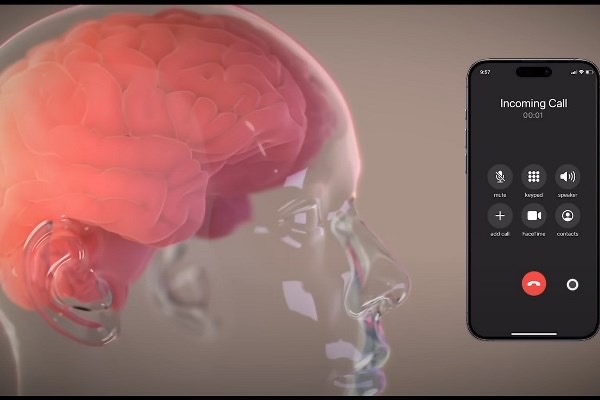
Elon Musk recently stated on the social media platform X that Neuralink, the brain–computer interface (BCI) company he founded, plans to move its BCI devices into large-scale manufacturing by 2026. This would mark a significant milestone, signaling the transition of the technology from research and testing to practical application.
Musk noted that as production models evolve, the brain implantation process will increasingly incorporate automated equipment. The core surgical procedures are expected to be carried out primarily by dedicated machine systems, with the aim of reducing human error and improving operational efficiency. This shift is widely interpreted as Neuralink’s strategic attempt to overcome the barriers to mass production in advanced medical technologies.
On the technical front, Neuralink is also optimizing its implantation methods. According to Musk, the next-generation system will use ultra-thin electrode threads that can pass directly through the dura mater without the need for removal. This design is intended to reduce invasiveness, lower surgical risk, and enhance post-operative safety and stability for patients.
Neuralink’s primary application focus is on individuals with neurological impairments such as spinal cord injuries and severe paralysis. To date, several participants have already received brain implants and are able to use neural signals to control a computer cursor, browse the internet, input text, and even operate certain physical devices. These results demonstrate the potential value of BCIs in assisting communication and mobility.
Looking back at its development history, Neuralink encountered obstacles in 2022 when it first applied to the U.S. Food and Drug Administration (FDA) for approval to conduct human trials. After addressing safety and technical concerns, the company received approval to begin clinical testing in 2024. To support its subsequent expansion plans, Neuralink has also completed a new round of fundraising, reflecting continued market confidence in the long-term prospects of brain–computer integration technology.
- 550 reads
Human Rights

Fostering a More Humane World: The 28th Eurasian Economic Summi

Conscience, Hope, and Action: Keys to Global Peace and Sustainability


Puppet Show I International Friendship Day 2020