Health
CDC data show progress in reducing some foodborne infections in 2014
In 2014, rates of infection from a serious form of E. coli and one of the more common Salmonella serotypes decreased compared with the baseline period of 2006-2008. Meanwhile, some other less common types of Salmonella increased. Campylobacter and Vibrio rose again in 2014, continuing the increase observed during the past few years, according to data by the Centers for Disease Control and Prevention. The report summarizes the rates of infection per 100,000 population and tracks illness trends for key foodborne illnesses.
- Read more
- 378 reads
Innovative Health Improvement Program in Djibouti Receives an Additional US$7 Million Grant
The World Bank Wednesday announced an additional US$7 million grant for the continuation of its Improving Health Sector Performance Project in Djibouti. Since its approval in April 2013, the existing program has provided improved health services to 171,222 beneficiaries in Djibouti-ville, Ali-Sabieh and Tadjoura. With incentives to increase access and quality, the program has supported improvements in services for maternal and child health and communicable disease control programs (HIV/AIDS and tuberculosis). The additional financing will allow the program to reach all of Djibouti, including the rural and remote areas of the country.
- Read more
- 383 reads
Some Smokers May Be 'Hardwired' to Succeed at Quitting

- Read more
- 337 reads
World Health Statistics reports on global health goals for 194 countries
2015 is the final year for the United Nations Millennium Development Goals (MDGs) – goals set by governments in 2000 to guide global efforts to end poverty. This year’s "World Health Statistics" – published Wednesday by WHO – assesses progress towards the health-related goals in each of the 194 countries for which data are available. The results are mixed.
- Read more
- 334 reads
Emergency preparedness pays off as Kathmandu hospitals respond to earthquakes
The earthquakes and the continuing aftershocks in Nepal highlight the importance of the efforts the Ministry of Health and Population and WHO have had in place for more than a decade to ensure key hospitals, health facilities and health workers would be ready and able to function well in an emergency or natural disaster.
- Read more
- 370 reads
Even Treated Depression May Raise Stroke Risk

- Read more
- 312 reads
Autism May Differ in Brains of Boys and Girls

- Read more
- 315 reads
A SMARTer approach to stroke care

New findings suggest that MRI machines (such as the one pictured above) may help quickly screen stroke patients for acute treatment.
- Read more
- 336 reads
OECD outlines action for governments to tackle heavy cost of harmful drinking
Harmful drinking is on the rise among young people and women in many OECD countries, partly due to alcohol becoming more available, more affordable and more effectively advertised, according to a new OECD report.
- Read more
- 421 reads
Scientists unravel the mystery of the tubulin code

Cellular code writer - TTLL7 (gold structures on the left) impacts cell function by binding to microtubules (silver structure made up of purple and yellow subunits) and adding chemical markers to the surface.
- Read more
- 361 reads
Human Rights
Fostering a More Humane World: The 28th Eurasian Economic Summi
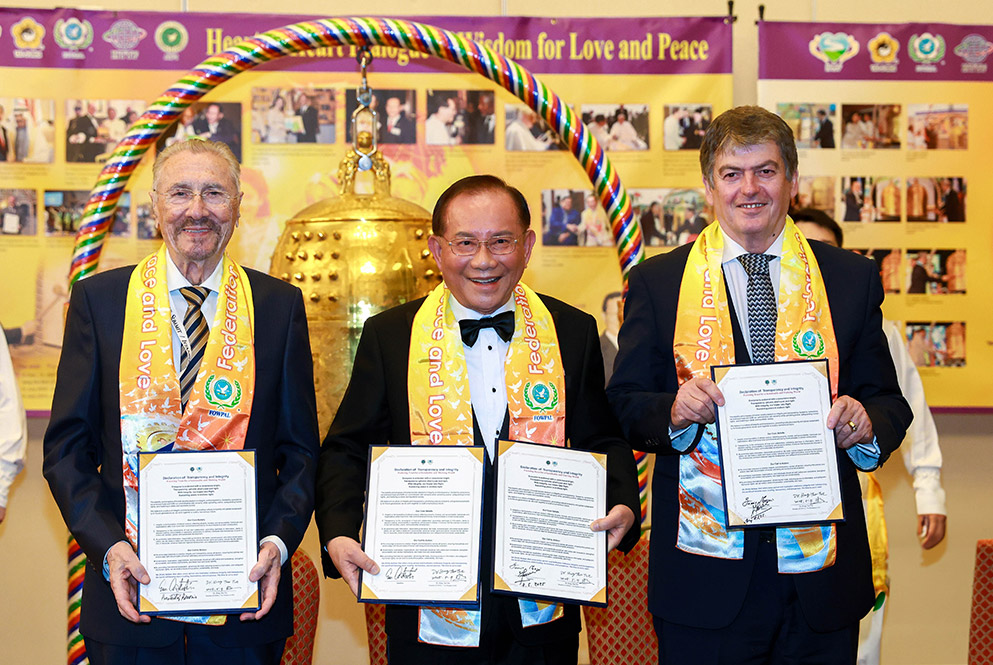
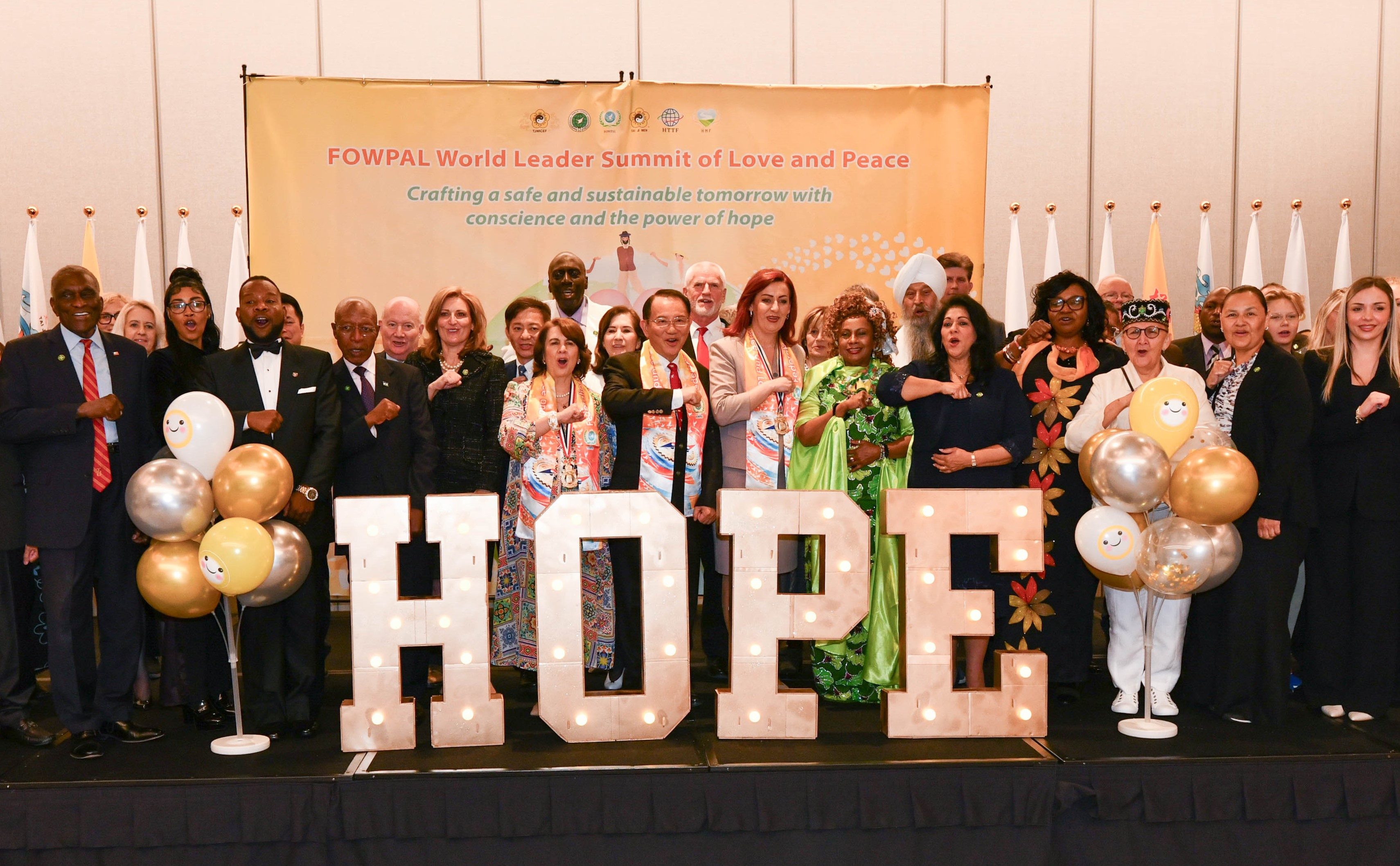
Conscience, Hope, and Action: Keys to Global Peace and Sustainability
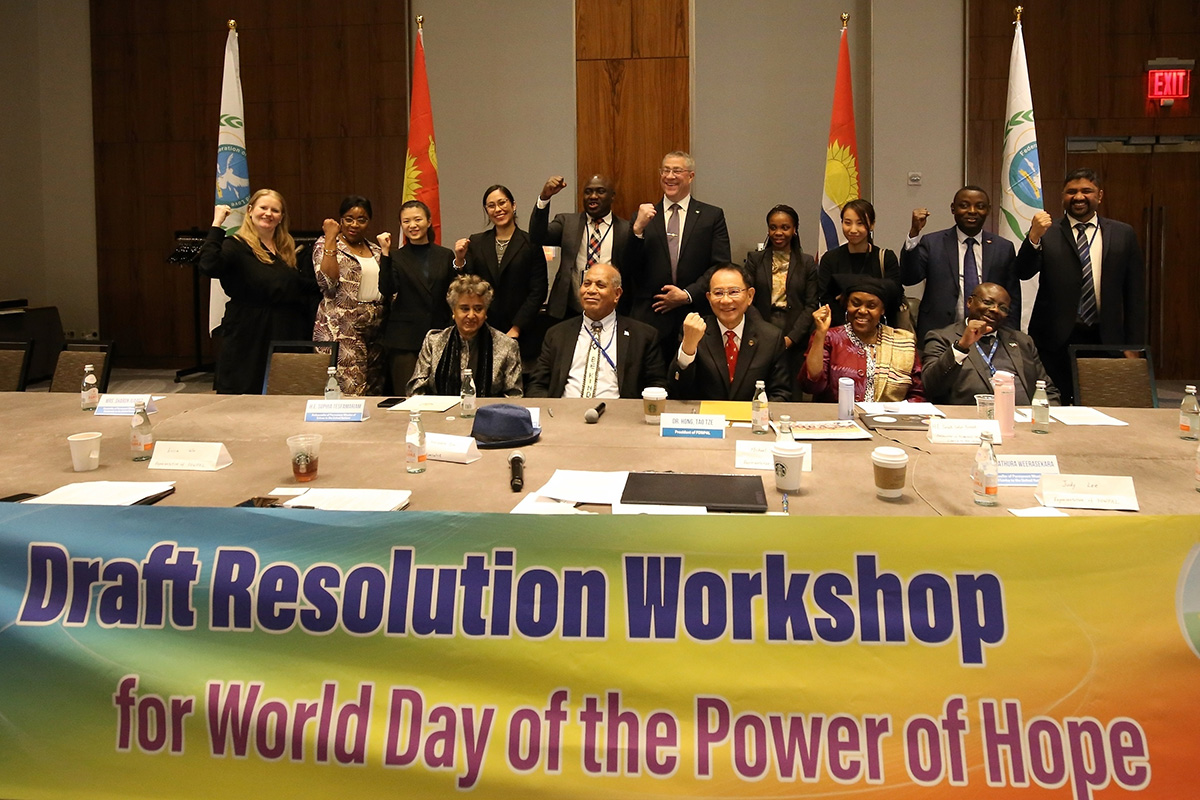
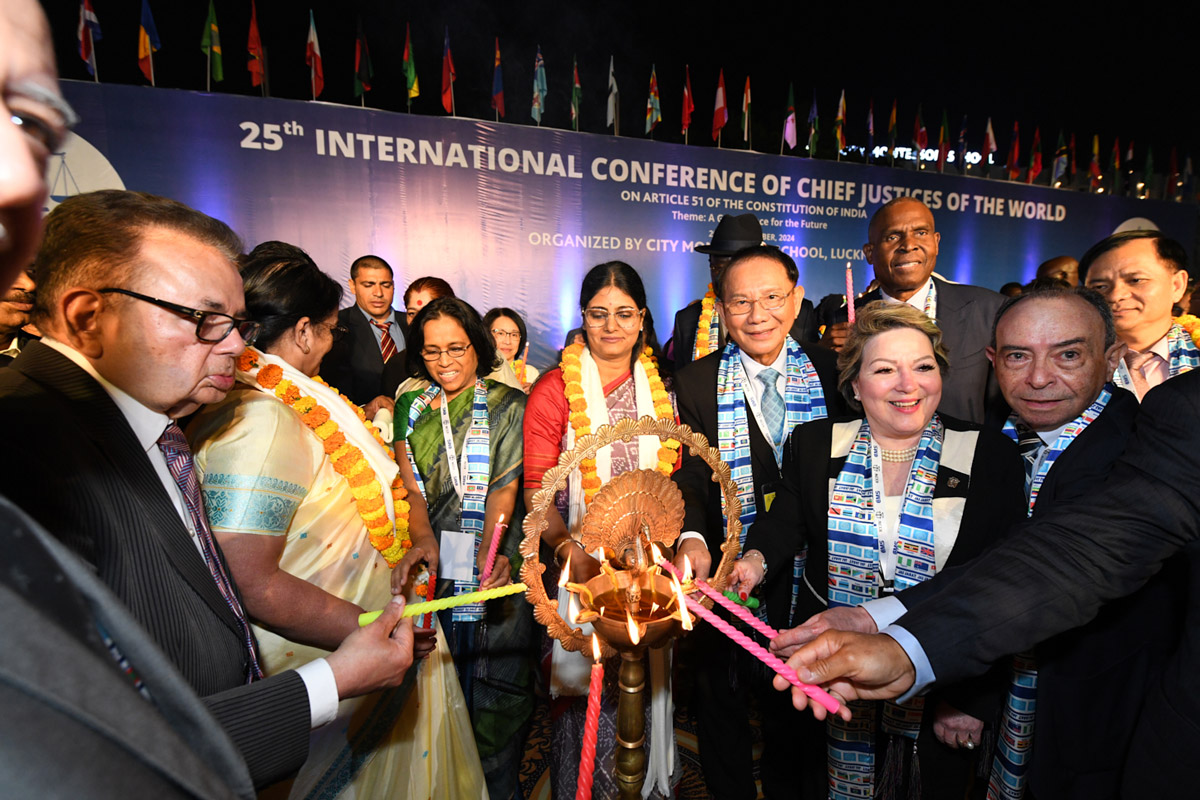
Ringing FOWPAL’s Peace Bell for the World:Nobel Peace Prize Laureates’ Visions and Actions
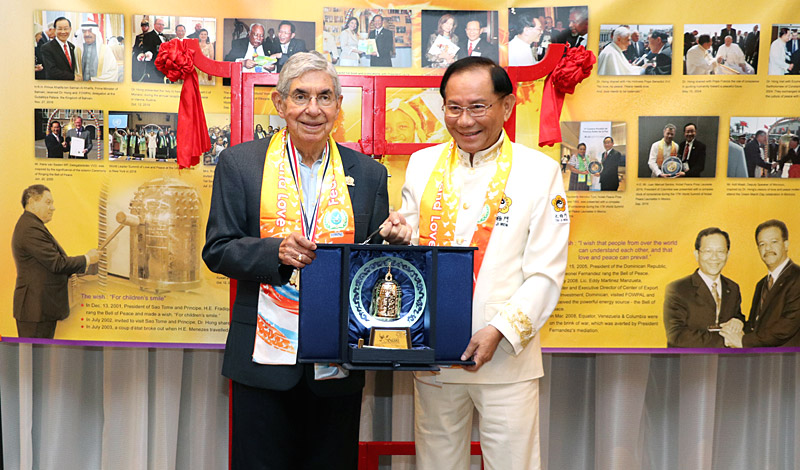
Protecting the World’s Cultural Diversity for a Sustainable Future

Puppet Show I International Friendship Day 2020