Health
Decoding the molecular ties between vascular disease and Alzheimer’s
Seeking a better understanding of vascular contributions to Alzheimer’s disease, the National Institutes of Health has launched the Molecular Mechanisms of the Vascular Etiology of Alzheimer’s Disease (M²OVE-AD) Consortium, a team-science venture to build a nuanced model of Alzheimer’s disease that more accurately reflects its many causes and pathways. Scientists have long been interested in how the vascular system — the body’s network of large and small blood vessels — may be involved in the onset and progression of Alzheimer’s disease and related dementias. Scientists from diverse fields using the latest methodologies will work collaboratively towards shared goals: to dissect the complex molecular mechanisms by which vascular risk factors influence Alzheimer’s disease and identify new targets for treatment and prevention.
- Read more
- 314 reads
Malawi tests first unmanned aerial vehicle flights for HIV early infant diagnosis

Children look on as UNICEF and the Government of Malawi test the use of Unmanned Aerial Vehicles (UAVs) to reduce waiting times of infant HIV tests.
- Read more
- 333 reads
Circuit for experience-informed decision-making ID’d in rats

Brain circuitry underlying memory for location and experience-based decision-making has been discovered in rats.
- Read more
- 335 reads
Zika Poses Serious Threat to Puerto Rico: U.S. Health Officials

- Read more
- 353 reads
Elderly With Advanced Colon Cancer Often Get Costly, Dubious Treatments: Study

- Read more
- 324 reads
Drug Duo May Rapidly Shrink Breast Tumors in Some Patients

- Read more
- 338 reads
Certain Biopsy Method Tied to Better Outcomes After Kidney Cancer

- Read more
- 341 reads
This National Kidney Month, help your children adopt healthy habits

On World Kidney Day, teach your children healthy habits to last a lifetime.
- Read more
- 335 reads
Superbugs: MEPs want to curb use of antibiotics in farming
To fight the growing resistance of bacteria to the antibiotics, the use of existing antimicrobial drugs should be restricted, and new ones should be developed, said the European Parliament on Thursday. In a vote on draft plans to update an EU law on veterinary medicines, MEPs advocate banning collective and preventive antibiotic treatment of animals, and back measures to stimulate research into new medicines.
- Read more
- 332 reads
A child’s first eight years critical for substance abuse prevention

- Read more
- 344 reads
Human Rights
Fostering a More Humane World: The 28th Eurasian Economic Summi

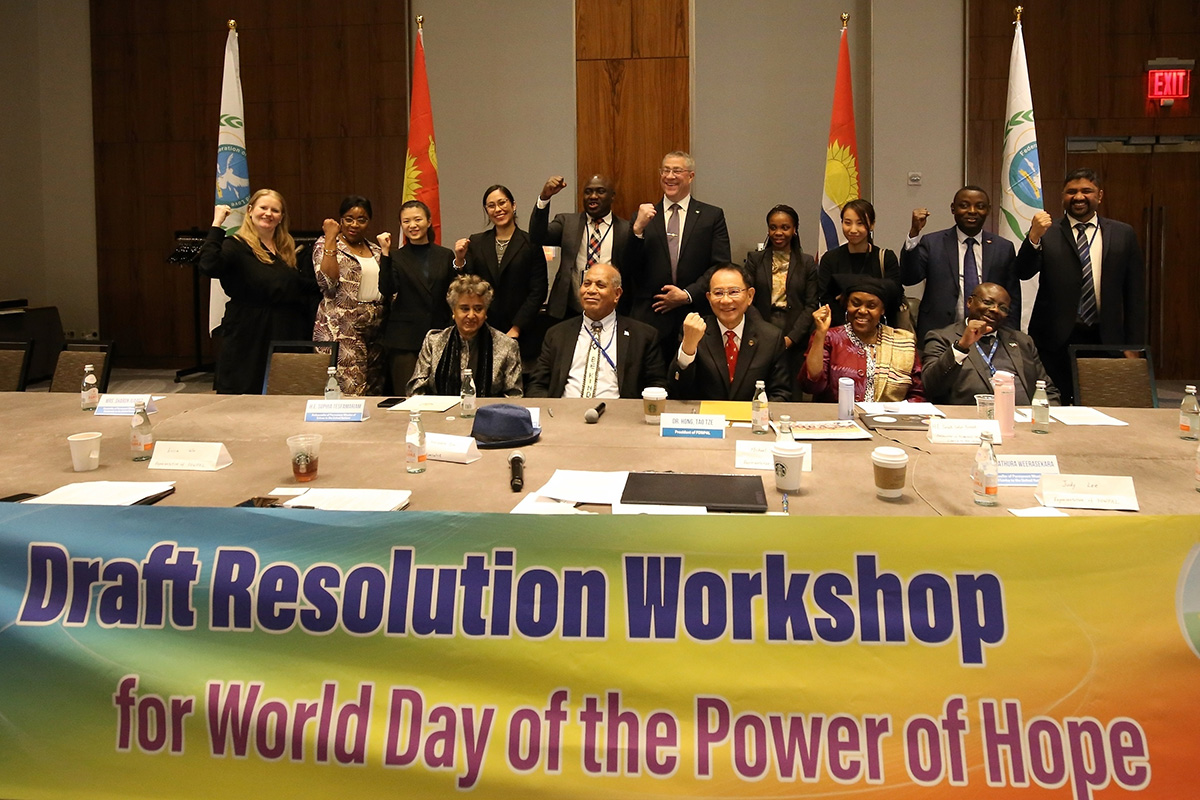
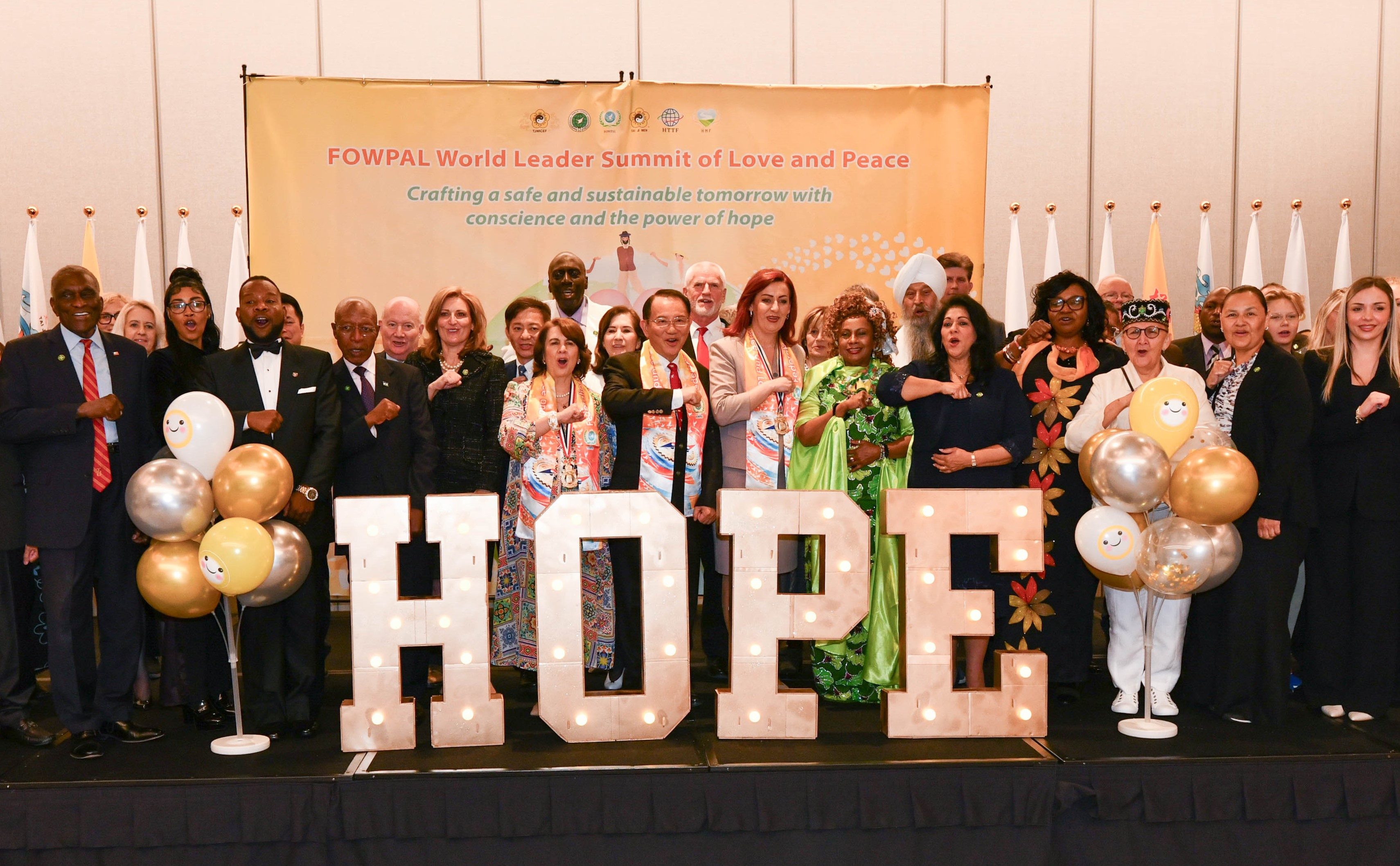
Conscience, Hope, and Action: Keys to Global Peace and Sustainability

Ringing FOWPAL’s Peace Bell for the World:Nobel Peace Prize Laureates’ Visions and Actions

Protecting the World’s Cultural Diversity for a Sustainable Future

Puppet Show I International Friendship Day 2020